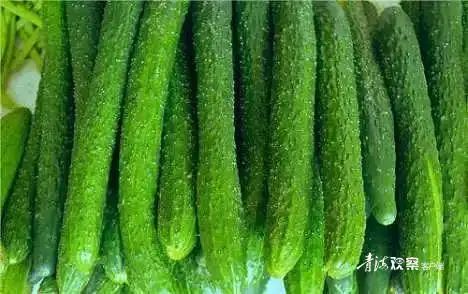
Autumn is also called renal herbs, renal vegetables, croissants and, in the context of the popularization of small or special vegetables, a type of vegetable that has been more widely accepted by the general public in recent years。
About 10 years ago, the autumn was planted mainly in warm areas such as fujian, guangdong, and rarely in the central and northern regions, but in recent years it has spread rapidly, not only in the central regions of shandong and henan, but also in the regions of jilin and heilong river, where it has become a popular vegetable。
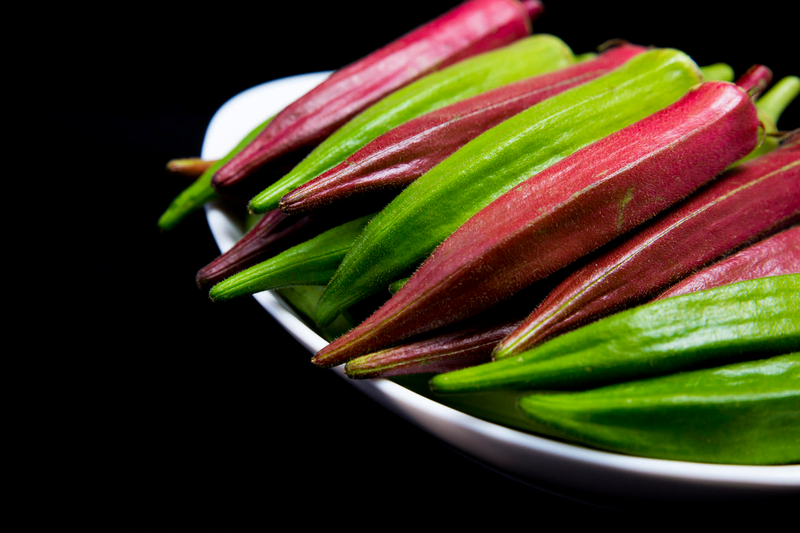
Yellow and red
Autumn leaves a few leaves on the bottom, and the foundation grows a side branch. In addition, the upper folate base is no longer long and suitable for sequestering and less labour-efficient than vegetables such as tomatoes and cucumbers. However, there is no “finished meal” for the “gold and bare” dish, and for the autumn cropping management it is also necessary to be short-lived and scientifically managed in the light of its growth characteristics in order to foster growth and productivity。
It is to be hoped that the “7s and 7s” that need attention in the management process will be of assistance to the farmers' friends。
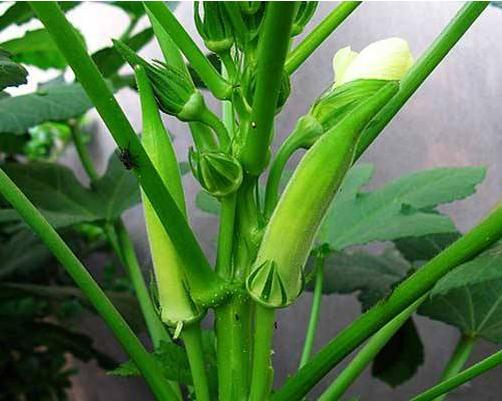
Autumn nuts
Site selection
To avoid the heavy. Autumn soil is more resilient to the environment, with adhesive sands and acidic alkaline soils growing, but autumn is not suitable for heavy weight (with cotton also)。
The severe disease of heavy-planted autumn is associated with the high and high growth of the autumn and the high consumption of soil nutrients in the process of growing, especially the consumption of micro- and medium-sized elements, which makes it easier for heavy-planting to produce short panels due to a certain nutrient supply, leading to the weakening of the plant and a decrease in its yield and quality。
Do not be low. Autumn roots are highly aerobic, and planting in low-lying environments is prone to water accumulation, which can cause the fall of leaves and even death in the field for more than two days, so the site needs to be easily drained dry。
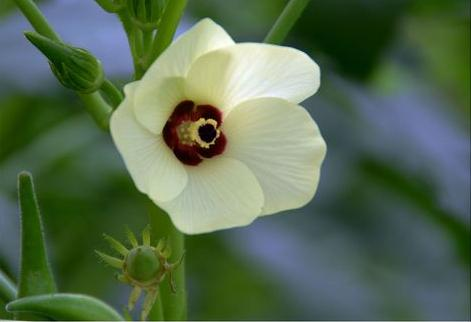
Autumn flowers
Spectrum selection
We need to keep an eye on the roots of the earth. In vegetable cultivation, an important rotation criterion is to ensure that deep-seated crops alternate with shallow-element crops, which are suitable for deep-element autumn crop rotations, mainly of leafy, beans and garlic vegetables, mainly because of the fact that the roots of these vegetables are grounded and do not weigh the autumn, thus avoiding over-consumption of the same layer of soil, resulting in a shortfall in the supply of the next series of aluminum nutrients。
Don't mess with fruit and vegetables. Autumn crops are not suitable for vegetable vegetables such as tomatoes and eggplants, mainly because of co-infections such as dysentery and disease, associated with cultivation, which tend to contribute to the high incidence of acorn disease。
Nursery
To live. Autumn is mostly produced in daejeon, seeding is less expensive and less expensive, while autumn is a root-planted vegetable, the seeding system is stronger and thicker, deep in the ground, and the root system absorbs a wide range of nutrients, which are not ready to fall back and grow better。
It's not appropriate to move. The advantage of seedling migration is that harvest time can be taken well in advance, but the downside is that seedlings can be grown with small nutrients or trays that do not allow them to grow fully and that, in the process of planting, they can cause damage to the main roots, so that they are shallow, weak and prone to fall back。
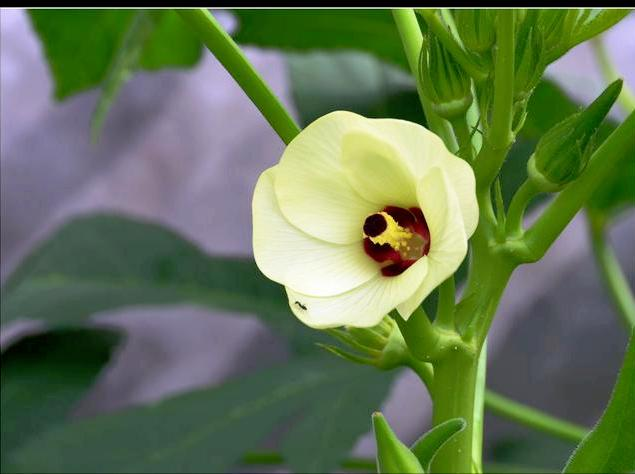
Fertilizer application
Before applying more nitrogen. Before reaching the flowering outcome period, there is a greater demand for nitrogen fertilizer, which affects the growth rate and growth life of the plant and can lead to early decay if phosphorus potassium is too high。
Don't apply additional nitrogen fertilizers in the mid-term or later. The main purpose of fertilizer production is to promote a balance between long leaves and flowering. At this time, too much nitrogen fattens, which tends to lead to booms, falls and causes disease, declines in plant resistance and decreases in crop tastes。
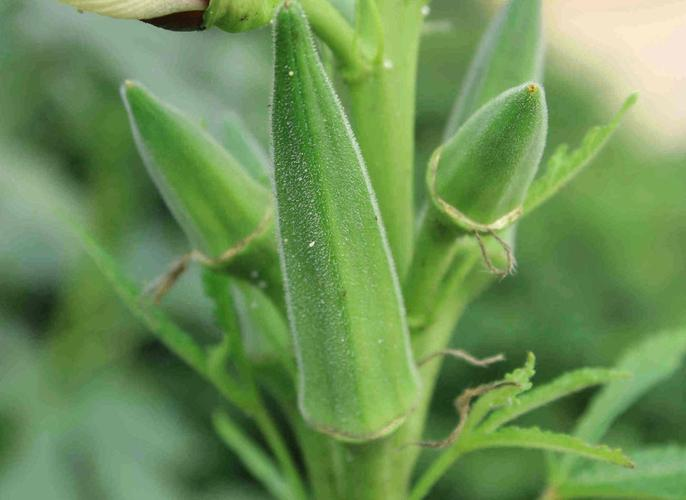
Autumn nuts
Drainage and irrigation
The drainage must be timely. In places where summer rains are heavy, attention should be paid to the timely discharge of water and to avoiding long periods of water in the fields. To do so, in addition to the high site selection, planting in hills and mountains must be consistent with the slopes, and in the direction or direction of the slopes。
Don't overload the water. In areas of visceral soil or heavy rainfall, the frequency of artificial watering is reduced because of the depth of the roots and the capacity of the acupuncture to withstand drought, but because of its high humidity, which induces root disease, it is advisable to provide root training in the medium term, increase the capacity of the roots to breathe and prevent inversion。
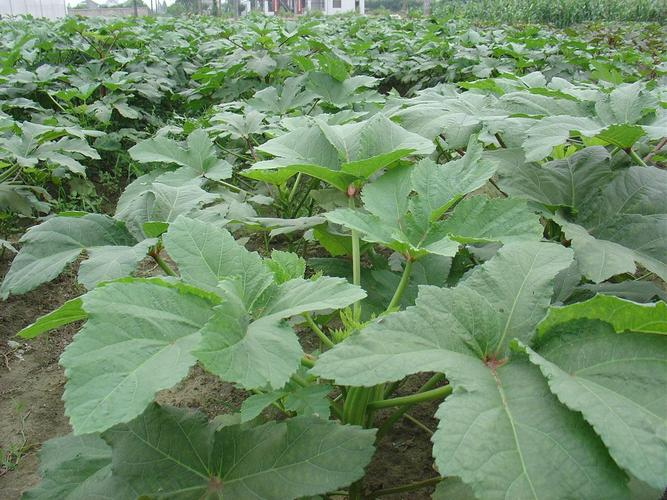
Autumn sunflower field cultivation
Plantation management
Autumn sunflowers are well planted and the side branches have a strong capacity for results, but the side branch leaves the field closed and difficult to ventilate, leading to high humidity in the field leading to diseases such as frosting. The leaves of the corresponding part of the fruit harvest should also be removed after about seven days to enhance ventilation in the field。
Don't hit the side branch too soon. The small growth of the plant and the presence of the side branches can induce multiple rootings, thereby creating larger root systems in a short period of time, which can help accelerate plant growth and facilitate early harvests, but too early for the side branches to influence long standing and harvest time。
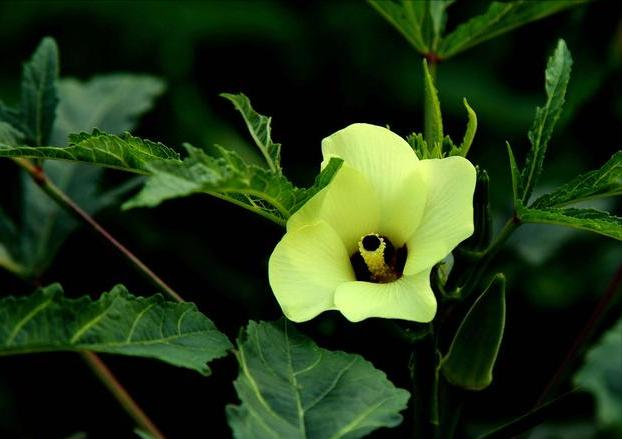
Collection issues
Take it in time. Autumn harvest periods are directly related to yields and quality, with low yields, low efficiency, late harvests, sharp increases in fibrosis of fruit, a significant decrease in the value of food consumption, and a suitable four to five days of harvest after the flower blooms in a weathery and hot environment。
Don't take it with your hands. Autumn strains are covered with self-defence wool, and when exposed to skin, they can be “crazy”. The wood with the handle is highly etched, and if it is pulled from the top down at the harvest, it is easy to cut the skin, thereby causing considerable damage to the plant, and the right approach is to protect it from the harvest, to wear gloves and to cut the fruit from the handle with scissors. Tell the story of earth to the universe