Autumn is a year in which acupuncture forms a green acetate, a plant that is born or multi-year-old, also known as croissants, croissants, acacias, etc. Historically, autumn is considered to be of african origin, but the first plant found started in egypt, and there are records of wild species of autumn in india. Autumn has been cultivated around the world in recent years. It is fed and nourished, and contains coarse proteins, cellulose, fatty, soluble sugar, calcium, phosphorus, iron and vc, and is rich in half-fibre, woody and viscos consisting of fruit and sugar, and is a good health food. As people focus on healthy breeding, yellow autumn is increasingly popular because of its unique nutritional value. There are small areas under cultivation in the south-central region, but there are no home-grown planting techniques that limit the development of the autumn-scale industry. In order to achieve greater economic benefits, the author has drawn up several years of experience in planting, with a view to providing technical support to the farmers of the autumn。
1 autumn requirements for environmental conditions
Autumn accelerants are warm, are resistant to frost, have strong heat resistance, earth temperatures are germinate at more than 15°c, seed sprouts are at the highest temperature of 25-30°c, and seed sprouts below 12°c are slow or even unsprinated, and temperatures below 10°c cease to grow. Therefore, seeding is selected at higher temperatures during field cultivation. The suitable temperature during the growth and development of the plant is 25-30°c, the most suitable temperature during the flowering period is 26-28°c, which is visible when the average monthly temperature is less than 17°c. At high temperatures, they can still produce results at 35°c in the summer. Autumn sunflowers are short-lived plants, bright lights, growing well under stronger sun-light conditions, and insufficient light will affect their flowering results, so in the whole flowering phase of the autumn sunflowers, there is a need to ensure that there is sufficient light, and if they are too dense and cover each other, bad growth will affect their production; if it comes down in the rain, the plants tend to grow up, creating flowers, falling buds. The soil is highly adaptable and can grow normally in clay or sandy border soil, and the acetal acetylene is inert, which is highly fertilized and is applied with nitrogen, phosphorus and potassium fat。
2 autumn autumn biological characteristics in central south
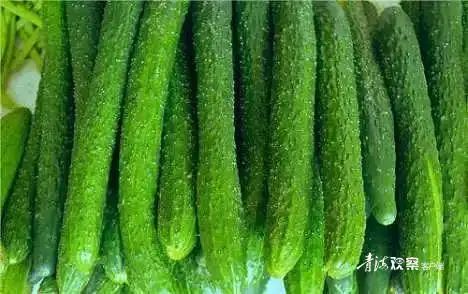
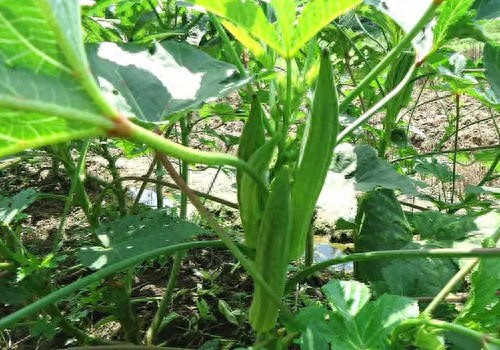
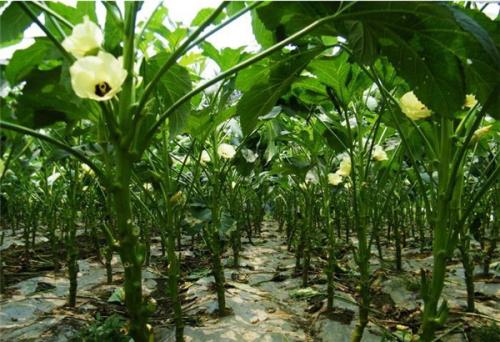
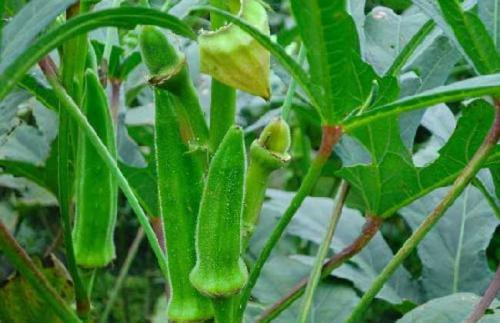
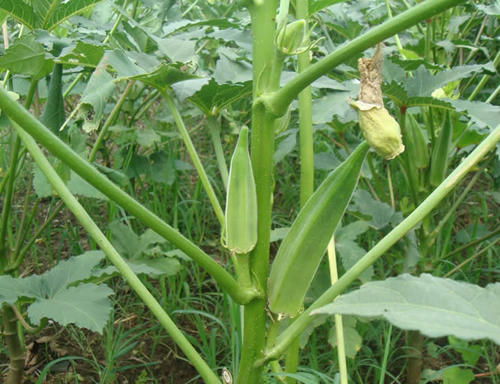
Autumn is a year-old herbs in the south-central region, which can be aired and protected for seedlings. The roots are straight, the principals are well developed, the absorptive capacity is strong, spread over the 50-60cm layer. Plants grow at a height of about 1. 5m, thick 2 ~ 2. 5 cm and call the pole straight, green. Leafs are born, palmed, mostly broken deep. Leaf handles are long, medium; infinity varnishes, single flowers, same female and male, pollination, often open from 800 to 9 a. M., faded in the afternoon, flowers opened from bottom to bottom, and valuable. The fruit is yeast, cone-shaped, like sheep's horns, with 5 to 6 ellipses (5 to 6 heart chambers with 5 to 6 angles), with about 10 to 15 cm in length, 1. 5 to 2. 0 cm in diameter, green or light green, yellow after maturity, finally brown, naturally fractured, with 5 to 6 heartrooms, dozens or more of seed, seed near a ball, seed seed green, seed seed seeding, seed germinate, seed gerbil with a gerbil of 3 to 5 years, and 1,000 grains weighing about 55 g。
3 high-yield cultivation techniques
3. 1 fertilizing the whole area
Autumn roots are well developed, so it's a choice between water-conserving fattening and deep earth-deep soil cultivation. Prior to winter, before the harvest, organic compost is applied (3,000 - 4,000 kg per 667 m2 applied to high-quality decomposed organic fat) and then deep-drive dredged. It's not right to pick fruit and vegetables in front of each other, because otherwise there's a lot of nematodes. Crops such as root, leaf and other crops are preferred。
3. 2 cultivation
Autumn is both seed and live。
3. 2. 1 infants
In mid-march, seeding can be done in the sun or solar greenhouses, using the bed soil of the fruit that is taken out of the nursery, or directly by making the bed soil by the ratio of six on the garden soil, three on decomposition organic fattening and one on fine sand. Pre-plant seeds are immersed with 24h radiums at 30 ~ 35 °c and then wrapped in a gauze under 25 ~ 30 °c, and about 3 ~ 4 d can be exposed. It is broadcast at 10 cm long and 10 cm long in length. The seeding shall be followed by the maintenance of a bed soil temperature of 25 or so, and normally 4-5d may sow soil. At the age of 30-40d, seedlings are planted when they have two to three real leaves。
3. 2. 2 live
It is chosen to sow deep, fertile, soil-humid vegetables. Directly, it is best to plant it in a small, gutter or den, with 0. 25 ~ 0. 40 kg per 667 m2, before seeding, with bottom water, with water seepage and seeding, with a cover of 2 ~ 3 mm, and then with light repression。
3. 3 cultivation density
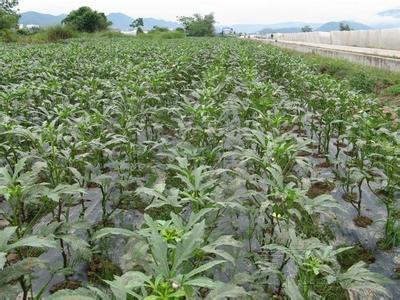
The appropriate planting density is 2700 to 667 m2, with a distance of 70c from 30 to 45 cm, with a smaller density for high varieties and a greater density for small varieties。
3. 4 cultivation, weeding
After planting grass and seedlings in china, they should be cultivated twice in a row, raising the temperature of the ground and promoting the seedlings. The first flower should be cultivated in china before it is opened, with proper seedlings to promote root system development. After the flowering results, the seedlings grow at an increased rate, and each time they seek fat water, they should be farmed in china, and before planting the herds (mid-june) they should combine with fat water to cultivate the soil in order to prevent the fall of the rainy season. Weeds are fast growing and should be uprooted in time to prevent grassland。
3. 5 fertilizer water management
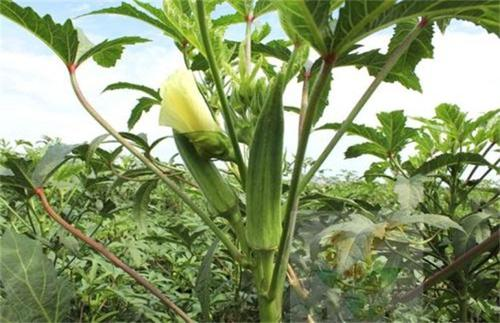
Autumn is strong in terms of fertility and long duration, so it is important to ensure an adequate supply of nutrients, which, in addition to base fertilizer, is followed many times by the principle of “organizing, fertilizer supporting” and “cooperative application of nitrogen, phosphorus, potassium and trace elements”. Each time, 300 kg of active organic fertilizer or nitrogen, phosphorus and potassium compound fertilizer are pursued in a ditch of 667 m2 or 20 kg, and once every 15 d or so, urea can be combined with 0. 2% potassium phosphate and 0. 5% urea in the growth and later leaves. Autumn sprouts are wet enough to lead to infestation. The amount of water required for seedlings is small, but the soil should be prevented from being too dry to slow down seedlings. Plantation has grown gradually during the flowering outcome period, with corresponding increases in drought resilience. June-august is at the peak of the autumn harvest. Excessive drought reduces the strength and quality of plants and should therefore be properly watered. Meanwhile, during the rainy season, attention should be paid to draining water to prevent dead bodies。
3. 6 whole leaf harvesting
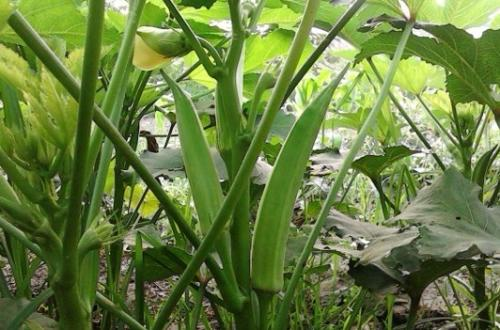
The main stem results, with the timely removal of the side branches and sprouts, can be replaced by four to eight branch results for each thin plant, with the rest removed. A 50-60cm-high graft to increase production in the pre-production period; timely removal of the next leaf, leaving two to three leaves in the general bottom fruit, so that the light can flow。
3. 7 pest management
Autumn sunflowers are growing strong and resistant to disease and pests rarely occur. The seedling period is designed to prevent and treat adhesive diseases, which can be disinfected or rooted by up to 2,000 beam gsone or 500 times the polybacterium before seeding or planting. In case of leachate, use 1000 times the net spray or pyrethroid treatment。
3. 8 harvests
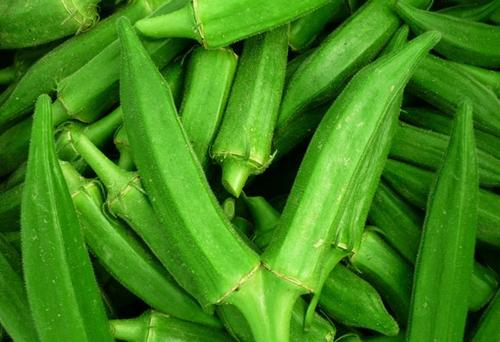
After flowering, 7d can be harvested, and be careful not to be too late, using fresh, fresh seeds as a commodity, with an average fruit weight of 10-15g, with a harvest period of around 100d, with 30-60 fruits per harvest. Cut the old shears in time to protect the plant from growing and flowering。