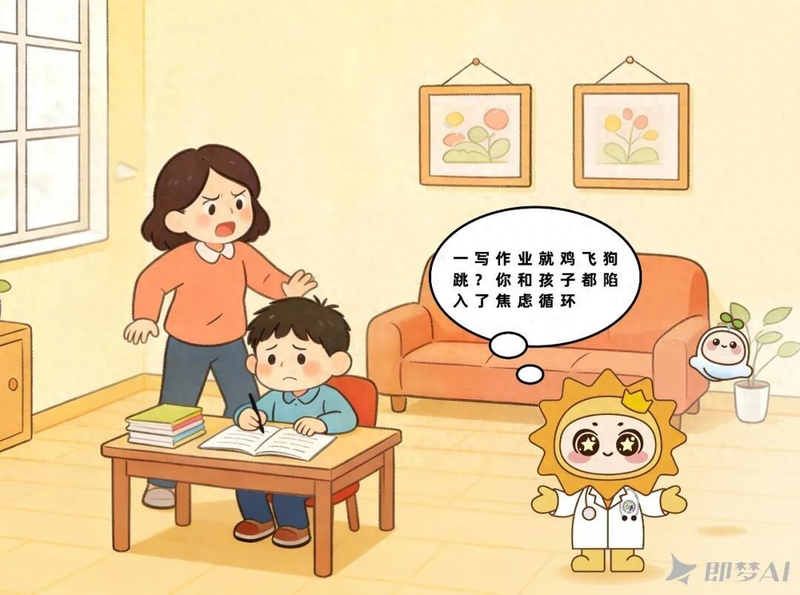
When it comes to coaching, the air in the house is as solid。
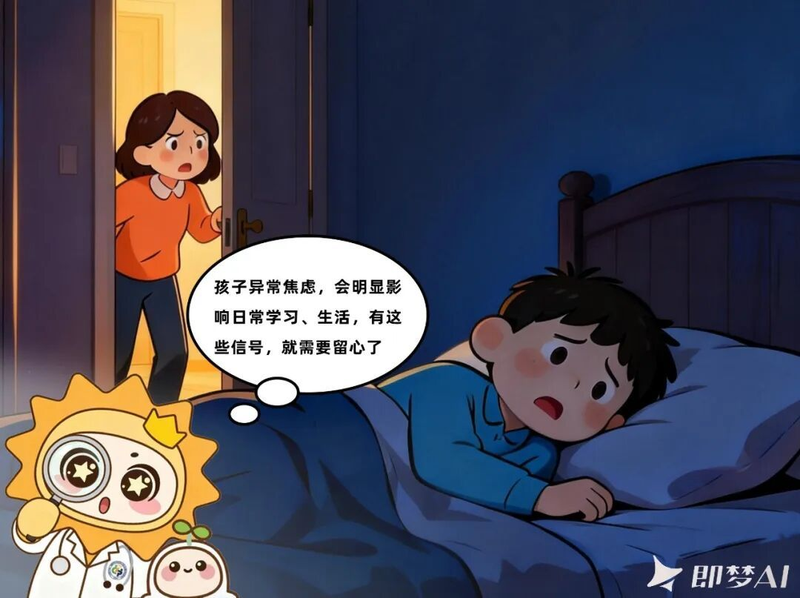
The kid's staring at the book. You're in a hurry. And the more you hurry, the slower he slows, and the more you rush, the more he panics. At the end of the day, both of them were impatient and frustrated。
In fact, you may all fall into the same "circle of anxiety."。
Is anxiety a disease
Anxiety is the emotion we all have, whether children or parents. It is like a body alarm, which rings in due course when it needs to face challenges and be vigilant, reminding us of our concentration and readiness。
The tension before the examination of the child and the parents' fear of the child's work are normal anxiety, coming and going。
But when this “alarm” malfunctions, without real danger, continues to ring, it can become an abnormal anxiety that requires attention. Unusual anxiety usually lasts longer and has a clear impact on day-to-day learning and life and may be accompanied by insomnia, physical discomfort or evasion. If these signals appear, we need more attention。
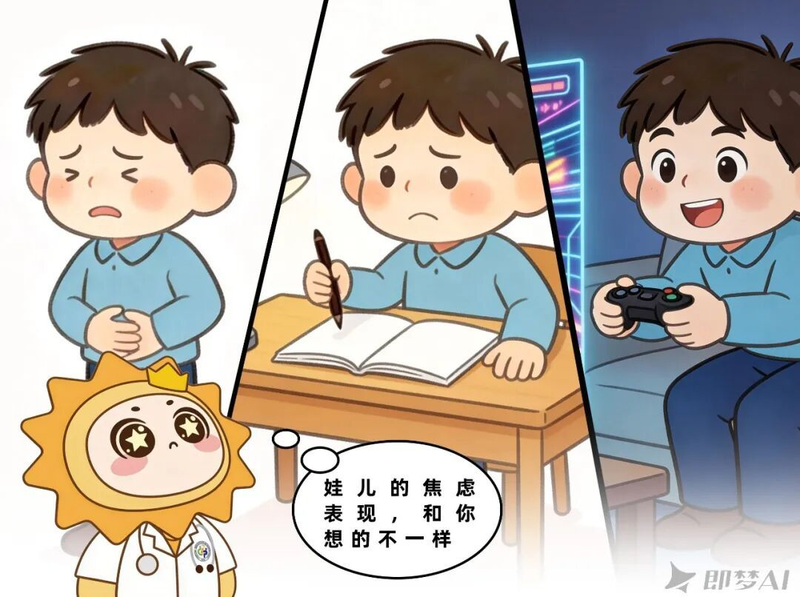
The child's anxiety is different from what parents think
Children often do not speak out when they feel anxiety。
Young children may become particularly sticky, timid, gnawing nails, or often say they have stomach pains and headaches。
Children attending school may be shown to be slow-working, re-adapted or afraid to answer questions in class。
Teenage children are more likely to hide their internal discomfort in an angry, web-oriented way。
Parents often treat these manifestations as “incompetence” or “excusing”, but behind them are often feelings of anxiety that are unsettled and, consequently, spiralling out of control. Identifying these anxiety signals is the first step in helping the child。
Parents' anxiety is often accompanied by deep love and undetectable psychological trajectories
As a parent, anxiety comes on a temporary basis and often goes through a silent storm inside。
We may think that he will not go to a good school in the future, that he will be frustrated; that we may blame all the difficulties that children face on their way to education; and that we may sometimes consciously place unfinished expectations on children。
These thoughts, like silent vines, not only bind us to the face, but also turn the warm, supposed company into stress。
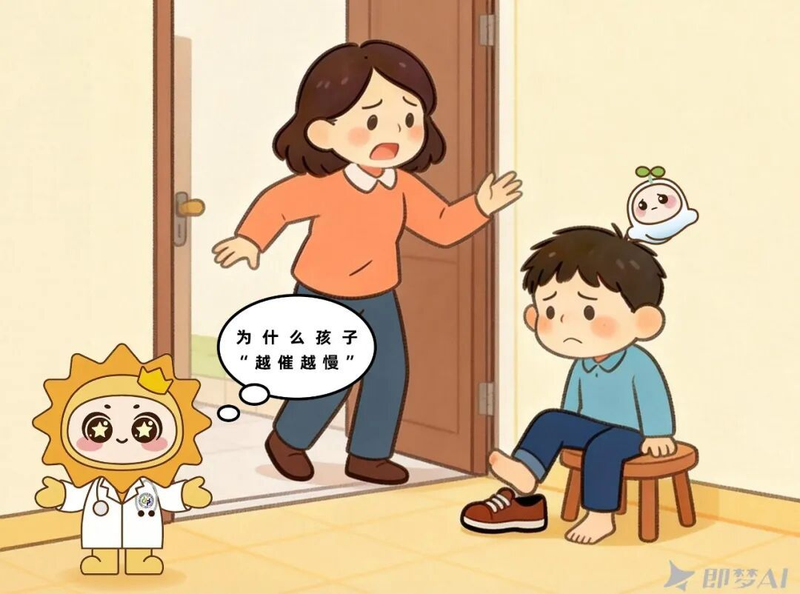
Why is the child "lower and slower"
We often find out in life that the more he pushes the child, the slower he is。
This is not a deliberate confrontation, but a scientific one。
When a child feels pressure, the apricot in the brain that is responsible for emotions is activated, and instead inhibits the function of the forehead that is responsible for thinking and control. He didn't want to think, but “stands” when he was under pressure。
The urge often carries with it the anxiety of the parents, which is captured by the children and triggers their invited response. Children can easily be caught up in two situations: they either hesitate to make mistakes or they conflict because they feel rejected。
In both cases, he is prevented from exercising his knowledge and abilities。
At this point, moderation and patience can help children to think again, more than rushing。
Which modes of interaction in the family are prone to anxiety
In family interactions, some patterns of living together contribute quietly to anxiety, the most common being three:
(b) excessive protection: parents are always in front of their children, preventing them from all difficulties, which deprives them of their confidence and ability to respond to challenges
(a) high expectations: the constant transmission of the message “you must be perfect” to keep children from being afraid of mistakes and from being relaxed
Emotions are involved: parents' emotions simply follow the children, two are tied together and lose their emotional independence。
Parents may wish to try to adapt their education:
I trust in your ability to face difficulties and failures and to support you whenever you need them。
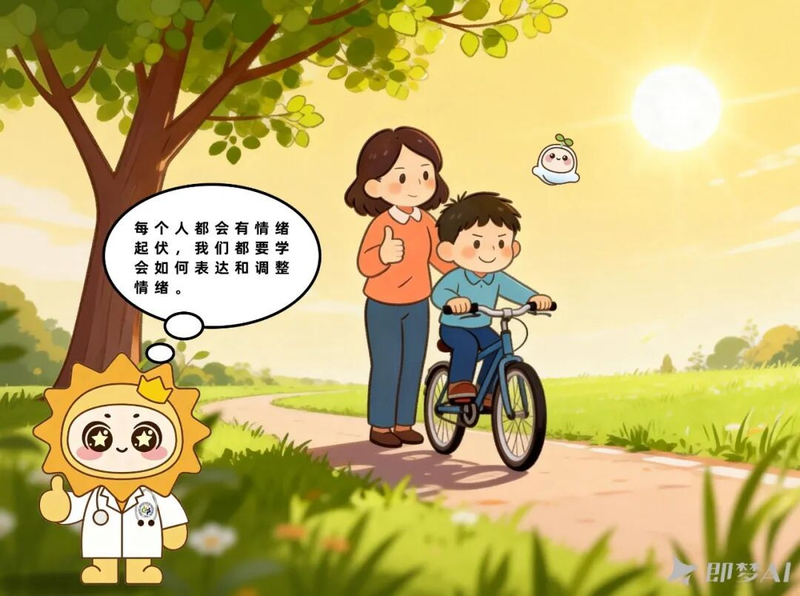
Everyone has emotional ups and downs, and we have to learn to understand the source of our feelings and those of others and to express and regulate them。
Author
Zhang xiaoming
Medical doctor, director and deputy director of psychopsychiatry, centre for children's medicine of the capital, university of medical sciences of the capital