♪ the energy people are watching, clicking on the top right corner ♪

In recent years, environmental awareness has grown
For solar, wind, tidal, etc
Renewable resources are well known。
Salt can also be used to generate electricity
Not many people have heard of it。

Power generation using poor salt water
People living at sea may be tired of salty seawater, but the fact is that seawater itself has a lot of energy to generate electricity. Turning energy into energy can benefit people。
At the entry point of the great river, where the river water intersects with the sea water, the river water is fresh, while the sea water is salty, and fresh and salty water spreads between them until they are of equal salinity. During the mixing of seawater with freshwater, much energy is released. High salt-bearing seawater spreads to freshwater with greater permeability pressure, while fresh water spreads to seawater with smaller permeable pressures. The energy generated by this low permeability pressure is called “water salt concentration differential” or “water salt differential energy”。
Experiments have shown that seawater permeation pressure at the mouth of many rivers is low, roughly equivalent to a 240-metre high. There are very, very few large hydroelectric plants with dams above 240 metres in the world. In some cases, the permeability of the river into the sea mouth is incredible. For example, at the junction of the jordan river into the dead sea, the poor salt energy of the sea is inconceivable. As salt water concentrations in the dead sea are almost saturated, their permeability pressure amounts to 50,500 kpa (approximately 500 atmospheric pressures), equivalent to a water level difference of 5,000 m. It's so much energy! It's so much use。

The poor salt energy of the seawater is due to increased concentrations of the sea water following evaporation by solar radiation heat. During the water cycle, large amounts of water vapours from evaporated turn into clouds and raindrops and return to the sea, releasing much energy. Scientists budget annual evaporation in the world's oceans at 1. 3 metres, or 1. 2 x 10⁷ cubic metres per second. When calculated by the salt difference of 2124 pa (approximately 21 atmospheric pressures), the energy resources of the salt differential worldwide are as high as 3 billion kilowatts。
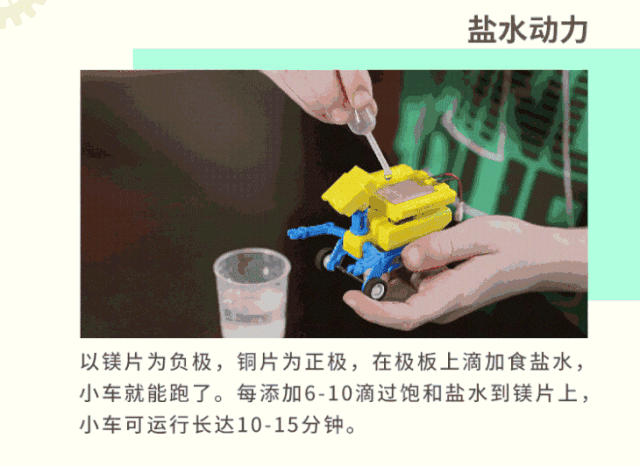
How can we exploit these poor salt energy? Scientists have come to think of the chemical principle of using “heavy batteries”, which is to convert salt to electricity by electrochemical means. The method of operation of seawater concentration cells is to generate approximately 0. 1 volts of volts between polar poles by loading seawater and fresh water in two containers separated by a multi-pore membrane diaphragm (ion exchange film). If we connect the circuits, we can generate currents。
According to the principles of this test device, as long as a large amount of fresh water is mixed with seawater, it can release enormous energy. Tests have shown that the entry of rivers into the mouth of the sea is the most desirable place to use the salty energy of seawater. Since, at the mouth of the river, water with little salt is flowing to the sea, and the seawater itself contains more salt, the formation of salt concentrations between the seawater and the river water is different, and electricity flows are constant if two different electrodes are inserted into the water and two electrodes are connected。
The poor development of salt in the seawater produces enormous energy, so scientists in many countries around the world are working on the development of this energy。
There are now two types of energy conversion for more mature salty power generation。
One is the permeation of pressured salt differential power generation systems. When two different levels of salt are separated by a layer of semi-permeable membranes that can only pass through moisture and cannot pass through salinity, this zone creates a pressure gradient, and both sides of the seawater produces an oscillation pressure, which leads to water permeating from one side with low concentrations to one side with high concentrations, raising the water level on one side with high concentrations until salt levels on both sides of the membrane are equal. Infiltration of low-salt-pressure power generation systems uses this water-level gap to generate electricity。
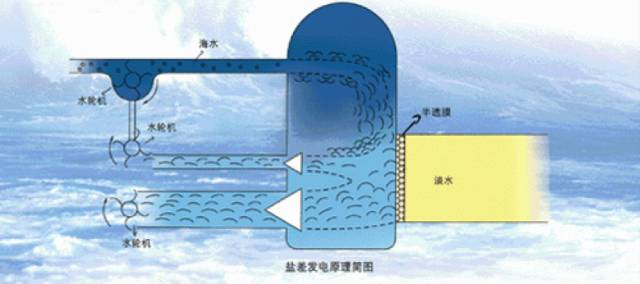
The other is a steam salt differential power generation system. At the same temperature, freshwater evaporates faster than sea water, so the vapour pressure on one side of the sea water is much lower than on the other. Thus, in the empty room, water vapour quickly flows from above the freshwater to above the seawater and can be used for power generation using this salinity differential, provided that the turbine is installed。
Salt-based power generation is actually carried out using chemical-level differences between seawater and freshwater or between water bodies with different salt concentrations. Salty energy is the most energy-intensive renewable energy source in the oceans. Typically, the chemical power gap between seawater (35 per cent salinity) and river water has the energy generated by a gap of 240 metres above the water level. The two parts of the water with different salinitys meet, and permeation pressure increases the temperature of the water by 0. 1 degrees celsius. The energy generated in world waters is roughly estimated to be equivalent to 20 per cent of the world's electricity demand。
Power generation using melted salt solar energy
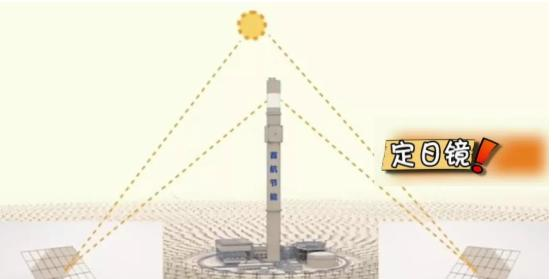
In dunsung, the melt tower photothermal power station, a professor-level senior engineer, huang wenbo: "this huge object is the mirror, the professional name of the sunglasses." more than 400,000 such small mirrors form a large mirror field, reflecting the sun to the middle point, the heat tower.”
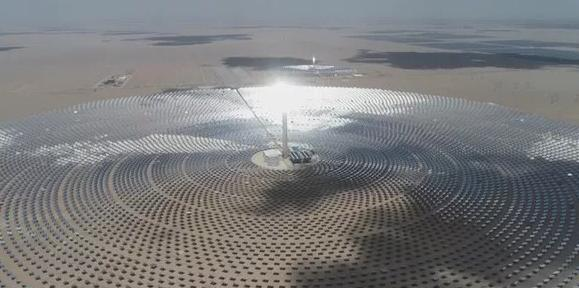
The heat-inhaling material uses sodium nitrate and potassium nitrate, which are more capable and less costly to store. The expert explained that the original power generation was not based on our familiar salt, but rather on a binary salt mixed between 60 per cent sodium nitrate and 40 per cent potassium nitrate。
A total of 30,000 tons of sodium nitrate and potassium nitrate are stored in high-temperature and low-temperature smelting tanks in liquid pyro-thermal power plants. So how is this salt used to generate electricity
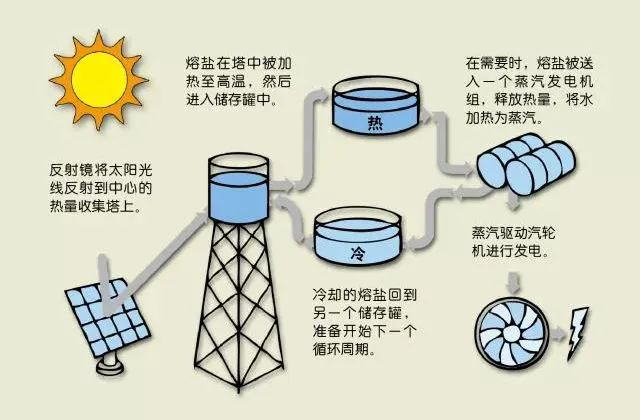
Huang wenbo explains: “smelted salt, which is consumed with heat, is stored in a hot tank, which is capable of being equivalent to a coal warehouse inside a fire station. The heat salt is pumped out to a heat exchanger, to heat the water, and to generate high-temperature, high-pressure steam to drive the engine for power generation.”
The melted salt absorbs thermal energy from the reflection of the fixed sunglasses and can heat up to 565°c, before changing the heat with water, generating high-temperature and high-voltage vapour boosters to function and power generators to generate electricity。
At present, this melting tower photothermal power plant can generate 390 million degrees a year, equivalent to nearly 200,000 ordinary households, sharing the electricity pressure of the city。
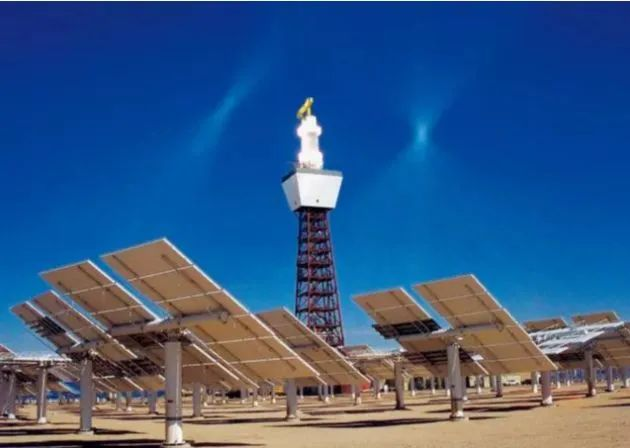
In the united states, the melted salt solar power station is located in bastu city, california, united states. The centre's concentration tower is surrounded by a contours of 1818 mirrors with spectacular arrays. These mirrors, all 7 x 7 m square, are automatically controlled by the computer to ensure that the sun remains focused on the melting salt at the top of the tower。
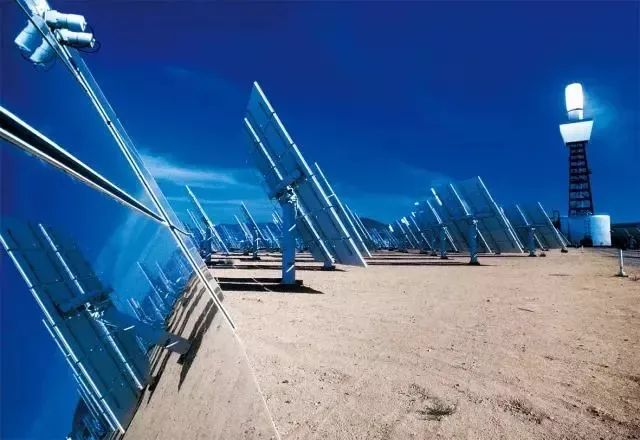
Smelting salt solar power plants may be another new solar technology in the future that uses salt to generate energy. Smelting salt solar power plants are simple enough to store solar heat using salt and certain means and to convert it into an energy device. The heating system is a “power tower”, a bit like a water tank, up high, surrounded by hundreds of mirrors capable of tracking the sun. These mirrors are supported by two tilted axes, one of which adjusts the way it follows the sun in one day, and the other one of which adjusts to follow the sun during the year. The boxes in the tower and below contain tens of thousands of cubic metres of melted salt, which can be heated to high temperatures by solar light gathered by mirrors and stored in melted salt. When needed, the heat is released from the melted salt and converted into steam, to drive the steam engine to power and complete a series of energy conversion processes for solar, thermal, kinetic and electric energy。
At present, the salt used in the melted salt solar power plant is dominated by industrial salts such as nitrate and carbonate, which are still being tested and have not yet reached a practical stage. If the problem of key technological links such as thermal conversion performance, solubility and high temperature decomposition can be resolved, salt consumption is bound to become the preferred material for future smelting solar power plants with minimal manufacturing costs and easy extraction techniques。