Wushan county, "5-3" technology is unique
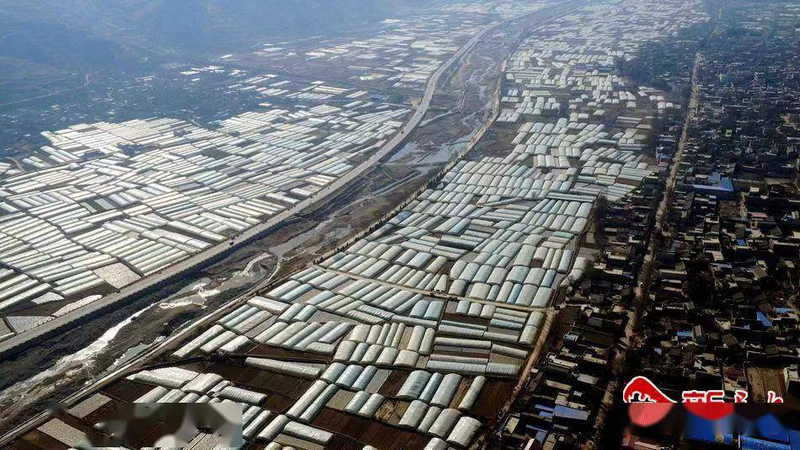
New sky news, a unique "memory of wushan" and a true picture of the country's fragrance, enters the winter every year in the vast territory of wushan county, in the ui river province。
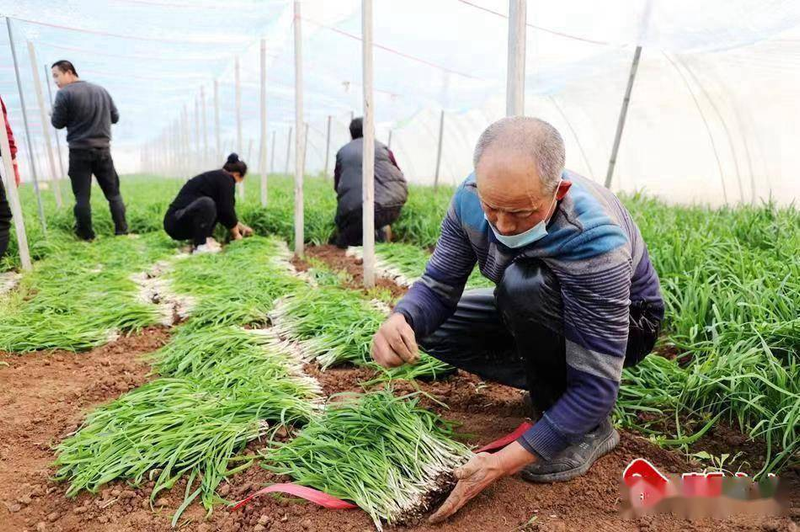
The low temperatures of winter have caused the plants outside to stop growing long ago, but inside the shed there is a vibrant picture of fresh spinach, red radiant radish, green garlic seed growing under the protection of the shed, the most striking being undoubtedly the well-known musslim。

It's been a very long time since we were in wushan. The land state plant general book, written by the renowned plant taxonomy scientist, former professor of the north-west division koon kung kwok, states: “a little over 1,400 years ago, in the more humid areas of wushan along the silk road, along the guacamole to the west of the river, the banks and the slopes of the mountain, the leaves, flowers and flowers are widely available for consumption”. In moyen, the people of the wushan nea river basin are growing in ways that raise the temperature of the land and make the herbs safe for winter. In the wushan district of the ming and qing period, there is a detailed description of cuisine, “all of the valleys and fruit and vegetables”。
Following the opening up of the reforms, the “white revolution” of the mussan vegetables began, allowing for the anti-season planting of herbal vegetables and the rapid expansion of the area under cultivation. After more than 40 years of development, the county has grown over 60,000 acres and produced a total of 180,000 tons of beryllium. This has resulted in the formation of a plastic-supplied beryllium farm, represented by the city's customs cisterns, the shantan zhoushan, the ma ' i jisai, and the field beryllium farm, represented by the lomenbei and the dry lawn, with areas covered by the mew, shantan and shusha river basins。

In the process of development, mussan cuisine forms a unique production technique of “five threes”。
— “39 days” on the market. In most parts of the country, when it is not possible to produce herring due to weather and stabbing, the mussels, with multi-layer plastic-covering technology, have been able to come on the market on one of the coldest days of the year, satisfying the desire of the general public to eat herring on new year's eve。
- "three layers" covered. The plastic shed multilayered cover technology is a whole range of integrated farming techniques created by the people of wushan, consisting mainly of bamboo or steel-mounted skeletal skeletons, accompanied by two to three layers of plastic sheeting, which forms a barrier to air flow within the shed, mitigates heat dispersion within the shed and achieves temperature protection, thus creating an environment suitable for the early spring cultivation of winter and eggplant guacamole, which is suitable for a variety of cold-resistant vegetable crops, such as cauliflowers, and achieves a four-season planting and balanced supply of muslim vegetables。
- three seasons to root. Science takes advantage of the many-year-old root nature of beryllium, which, in addition to growing in winter, has been in a state of root-rearing in the spring, summer and autumn seasons, with daily field management such as earth-breeding, fertilization, water-filling, deworming, etc., while the nutrients absorbed by beryllium go back to the roots and are stored in sufficient “energy” for winter production, avoiding further fertilisation and spraying at the production stage and ensuring the safety of listed beryllium。
— “three years” swap. After three years of production, the population always digs the cauliflower roots out of the ground and puts them on the ground, so that the aging sorghum roots are tanned, rained and corrupted by nature, and the production of cauliflowers is replaced by plots of land after two to three years of total decomposition before returning them to the earth, thereby creating a unique technique of “robusting its roots back to the fields”。
- "three" harvest. In order to ensure the nutritional quality and taste of the products listed on the market, mussels are cut up to three times during the one-year production season. In particular, the root, red, fragrance, fresh and fresh, commonly known as the “head knife”, is popular among consumers。
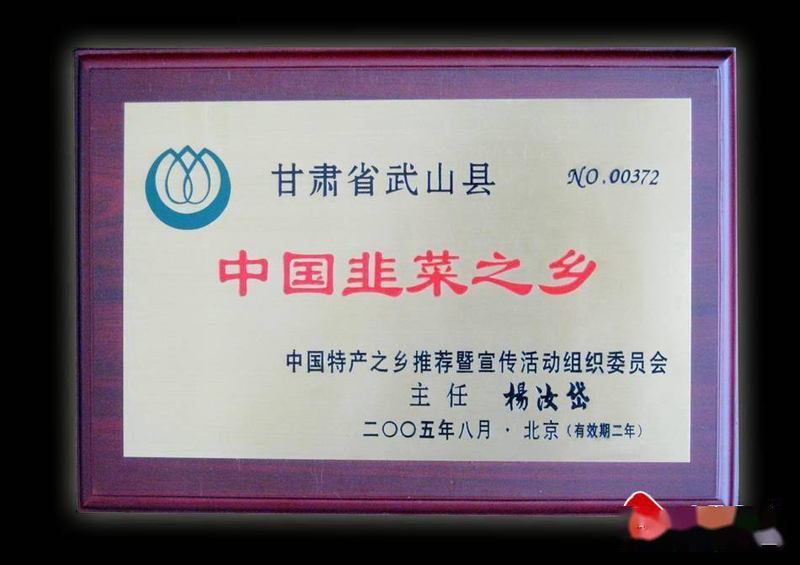
Muyama is found to be rich in volatile oils and nutrients such as sulphides, proteins, fats, sugars, vitamin b and vitamin c, higher than other products of the same kind. The long history of planting, the appropriate conditions for planting and the unique production techniques of the “five threes” have brought to the fore the reputation of the “town of chinese cabbage” in wushan county。