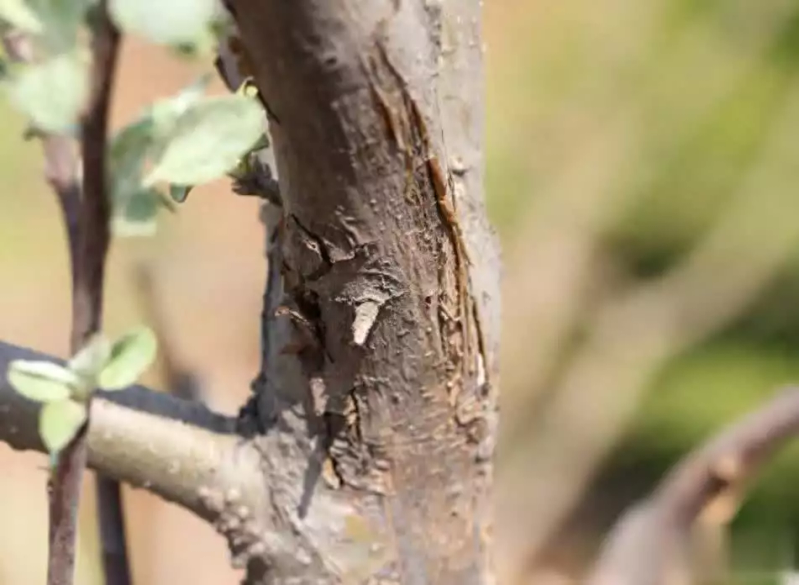
Apple decomposition is a dry disease, with a higher incidence in the apple gardens of shandong county and a greater threat to the growth and development of fruit trees. Decomposition is mainly harmful to apple branches and their cortex (figure 1), the effects of which are significantly reduced in tree size, the gradual death of the tree in the event of serious occurrence, the failure of the fruit tree to harvest and the heavy loss of the fruit farmers. It is therefore recommended that fruit-farmers implement careful care of orchards to increase the resistance of trees; that prevention efforts be carried out on a daily basis to reduce the probability of disease occurring. Following the infection of the tree, effective measures are taken to control decomposition and avoid the effects on the quality of the fruit。
It's about 100,000 u. S. Minivans
Type of occurrence
There are two main manifestations of apple decomposition: the ulcer type and the dead branch type。
1. 1 ulcer-type decomposition
In the spring, ulcer-type decomposition is more common, mostly in the backbone and branches. At the beginning of the disease, the symptoms were red and brown water stains, and after the skin was stripped, the internal tissue was dark and some of the tree bodies were seeped in tan juice. As the disease escalated, the water loss in the tree was severe, and soon thereafter the chromosomal juice was gradually turned to black. Such decomposed diseases developed rapidly in the early springs, and small spots expanded rapidly, eventually leading to the atrophy of apple branches and the death of tree bodies, with greater damage to apple production。
1. 2 dead branch decomposition
Decay-type decomposed diseases are mainly infected with fruit rises and branches of 2-3 years old and 4-5 years old, with higher incidence of poor growth and less resistant apple trees. The first signs of red-coloured disease were found in the infected areas, which then spread rapidly, with a growing number of small black particles in the affected areas, causing the apple branch to dry up and even die。
2. Causes of morbidity
2. 1 adverse climate factors
The incidence of apple decomposition is disproportionately affected by low-temperature freezing, and the probability of decomposition increases significantly when winter and spring temperatures are low, trees are frozen and trees themselves become less resistant. In the case of apple trees, when they bloom, and in the case of early fruit, when they are affected by “spoiling colds”, not only will the fruits be reduced, but they will also cause more decomposition in that year and in the second year, with a heavy blow to the growth of the trees。
2. 2 poor soil conditions
The occurrence of apple decay is closely related to soil fertility. Apple trees continue to extract nutrients from the soil during their growth, and the high and low fertility of the soil directly affects their growth patterns. The apple tree is strong, the tree is resilient and the probability of decomposition is low. In some cases, there is an error zone of “fertilizing with fruit”, with apple trees applying less or less fertilizing in the pre-growth period, and fertilization only begins after waiting for the fruit; some farmers lack in-depth knowledge of the scientific ratio of fertilizers, often resulting in an imbalance in soil nutrients due to inadequate application of organic fertilizers or a single type of application; in addition, there is an arbitrary increase in the application of fertilizers, and apple trees are growing with problems such as soil sheeting and the burning of apple tree roots if potassium is under-utilized but excess nitrogen is used. These can significantly increase the risk of apple decay。
2. 3 low quality of trees
Apple trees sold in the market vary in size and quality. The lack of scientific planning, blind and wind selection of varieties in some of the plantations, and the failure to take full account of the climatic and soil conditions in the parks, have led to stunted and weakened apple trees, making them more susceptible to decay. In addition, some of the orchards have been selected as apple seedlings with seedlings. Although these trees grow faster in the early stages of construction, they are relatively less resistant to disease and are less resistant to flooding and drought, with their roots becoming more susceptible to infection and the resulting weakening of the tree, leading to a higher incidence of apple tree decay。
2. 4 non-scientific tree trimmed
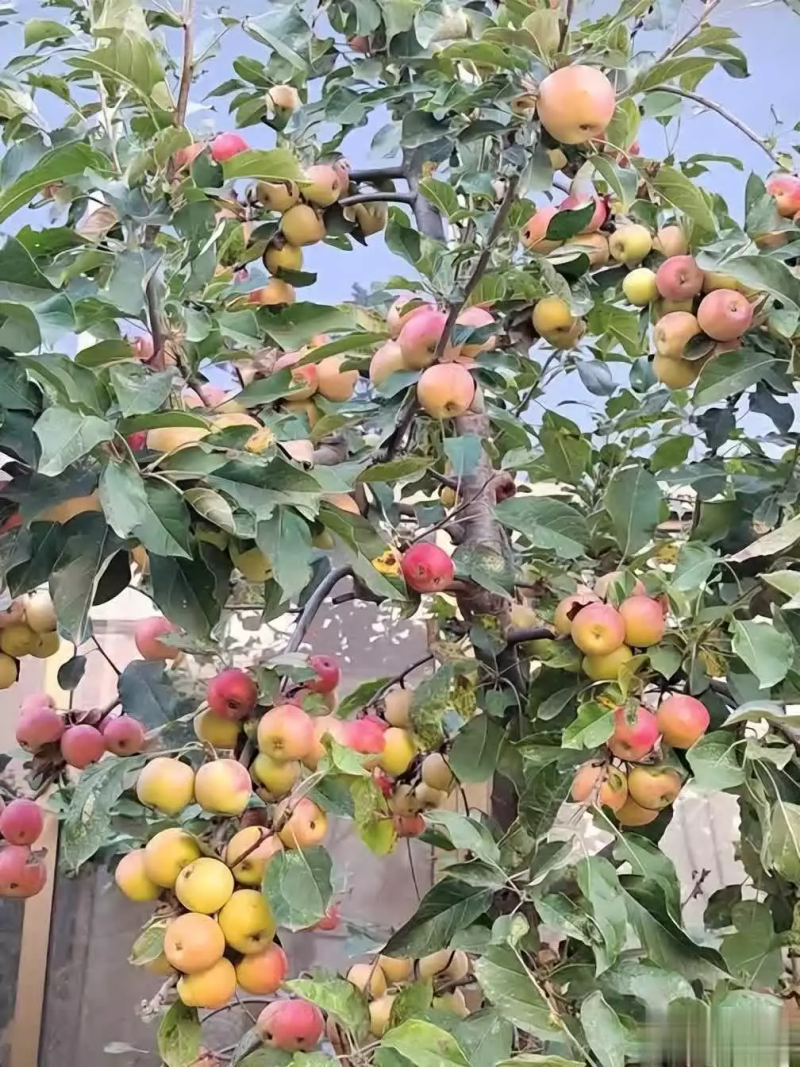
Scientificly sound intracting can significantly improve ventilation in orchards, but in practice, partial cutting may lead to inadequate leaves retention. This results in long periods of exposure of branches under direct light, increasing the risk of sunburn damage and, in turn, increasing the incidence of decomposition. In addition, overcuting and inappropriate trimping can result in too many and too large apple tree wounds and can lead to diseases such as decomposition. In order to increase economic efficiency, some fruit farmers have taken measures to over-scrutinize the fruits (chart 2), and even frequent use of cycling and circumcision as a means of promoting them. While these practices may increase yields in the short term, they can lead to overloading of trees, which in turn leads to inadequate nutrient supplies, weakening of trees and a significant increase in the probability of diseases such as decomposition。
2. 5 inadequate water management
Owing to the low level of management and the lack of necessary drainage and flood control equipment, some orchards continue to use traditional irrigation methods, which can result in wasteful water resources, severely damage soil structures and environmental degradation of the soil, leading to decay of tree roots. In addition, if orchards are irrigated late, they are not irrigated until the soil is frozen, the moisture is difficult to penetrate to the roots of the fruit tree, which may suffer some degree of damage due to low temperatures and water scarcity. The following spring, apple trees will grow badly, increasing the risk of contracting decomposition。
2. 6 inadequate response when
The poor monitoring and early warning of apple scavengers and the failure of farmers to effectively combat them at an early stage of the disease, often at a time when the symptoms of the disease are evident, have missed the best period of prevention. In the fight against apple tree decomposition, some farmers tend to use highly toxic, long-duration pesticides and have a perfunctory attitude towards the spread of new pesticides, resulting in the slow spread of many highly efficient and low-residency pesticides in practice. Some fruit farmers do not focus on garden sanitation, and old skins on trees, assorted skins, rusty branches, severely sick and infested branches, weeds and falling leaves accumulated in the gardens are not cleaned in time, and the scraped branches, scraped barks and old leather are laid in the gardens at random, contributing to the growth of disease and insect eggs in the gardens. In addition, if the post-cut wounds are not addressed in a timely manner, prolonged periods of sunburn can break open, causing tree bodies to deteriorate and increasing the risk of disease in the intangibles。
3 integrated governance measures
3. 1 preventive measures
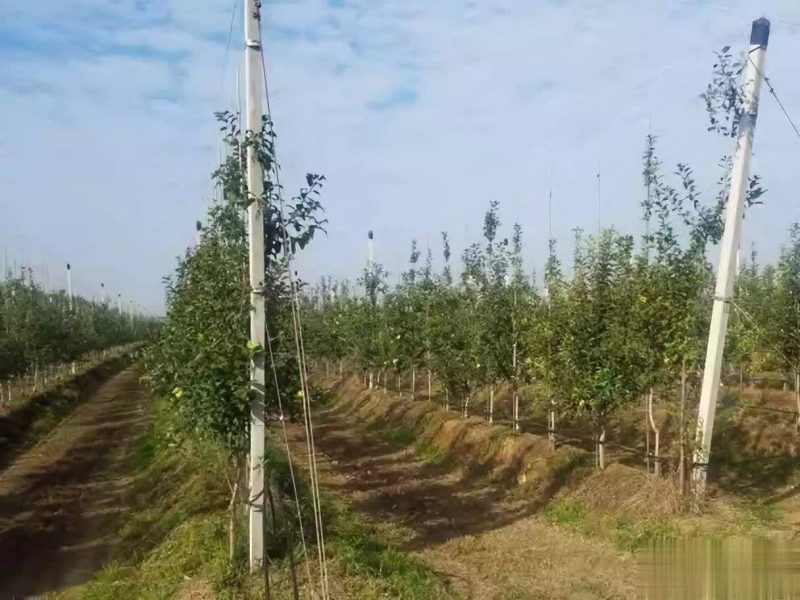
Orchards should be built with strong seedlings, with daily refinement of the precision management of apple gardens (chart 3) and the ability of apple trees to withstand pests and diseases. The timely removal of dead weeds from orchards, the elimination of hidden pathogens and the prevention and control of the occurrence of decomposition; in the case of sick apple trees, as soon as possible, the cleaning of the disease will prevent further spread. Before winter, all sick leaves and dead branches of the park should be completely removed and removed from the compound for incineration or deep burial. This measure can significantly reduce the number of pathogens and pests in the park, thereby effectively reducing the probability of apple decay。

400 km of continuous electric bicycles, travelling by bike, and no longer worrying about distance
3. 2 fertilized water operations are reasonable
The growth of apple trees is dependent on an adequate supply of nutrients, so rational fatty water is essential. It is recommended that the application of high-quality organic fertilizers be increased as appropriate, with a reasonable mix of phosphorus fertilizers, potassium fertilizers and necessary trace elements. This not only contributes to the robust growth of apple trees, but also significantly increases their resistance to pathogens. Particular attention should be paid to the early application of base fertilizer in the autumn. In addition, in times of drought and low rainfall in the spring, irrigation should be undertaken in a timely manner to ensure that the growth needs of apple trees are met, to further promote healthy growth of trees and to increase resilience to diseases such as decomposition。
3. 3 strengthening tree conservation management
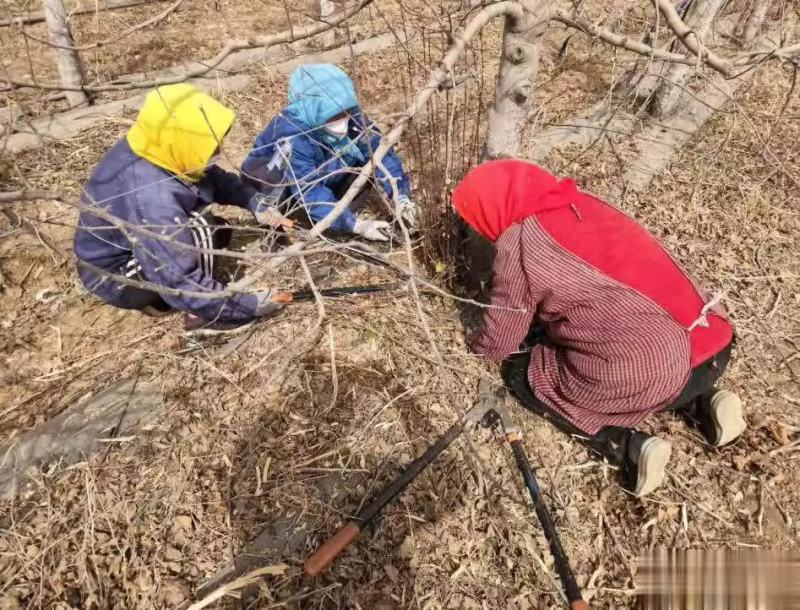
One is a reasonable trim (figure 4). The apple tree is trimmed so that the cut is not too large, that the tree is not trimmed many times over the course of a year, that it is not overheated, that it recovers long periods of time, that the tree itself is less resistant, and that the fungus of decomposed disease enters the wound and endangers its health. Before the fruit tree is trimmed, the cutting tool must be sterilized, and direct contact with the tree body is prohibited without disinfection to prevent the spread of harmful bacteria to the health branch. Upon completion of the cut, methyl sulphate paste is painted in a timely manner to protect the wound and to protect the fungus from intrusion. Second, measures to prevent and control freezing. For winter and spring festivals, freezing prevention needs to be done ahead of schedule. The fumigation of the orchard before the arrival of the frost prevents the freezing, and after the frost has passed cut off the small branches with severe frost, care must be taken to protect the cuts of the large branches, and to prevent the infection of the fungus through the timely use of both rehab and decomposition. Three is a reasonable load. In accordance with the requirement of a “reasonable load”, farmers are required to strictly control the retention of fruit in order to avoid excessive consumption of nutrients, which leads to a weakening of the tree. Reasonable loads and the control of the appropriate amount of flowers do not affect the strength of the trees, whose health improves their ability to withstand decomposition。
3. 4 drug control
One is tree spray. The spring fruit tree is susceptible to decomposed bacteria, with the use of orchard purifiers and fruit convection of 300 times the fluid, and the use of motorized spray machines to fully spray fruit branch drys to reduce the spread of the fungus. Two weeks after apple harvesting, 25% of the cyclopropyl cream 1,500 times the fluid is selected to spray the tree body, which can effectively reduce the probability of further decomposition. The second is the drying of the medicine. Usually in the months of june-august, the coating is preceded by the scraping of rough and old skins and the subsurface brown tissue of the trunks, etc., and then the plume of 43 per cent of the peptol suspension 150 times the fluid is applied to the trunks and branches in a smooth and detailed manner. Interval 7d, 2 consecutive times, with good control of decomposed bacteria。
Conclusions
The occurrence of decomposition has weakened the shape of apple trees and adversely affected the quality and yield of fruit, which must be controlled. In production practice, the symptoms and factors of decomposition are detailed, the causes are carefully analysed, and the management of fruit trees is improved in terms of good seed selection, scientific site selection, rational cutting and management of fat water, in order to prevent and mitigate the occurrence of decomposition. In the spring and autumn, at two peaks of disease, high-efficiency medicines were selected to be used to prevent pollution and damage to the environment, to the extent possible, on the basis of safeguards。