The heat's too low
Pumpkin is grown mainly to harvest mature pumpkin fruit, whose vines are often used as field waste or feed, but now this “sideline” is a delicious meal on the table。
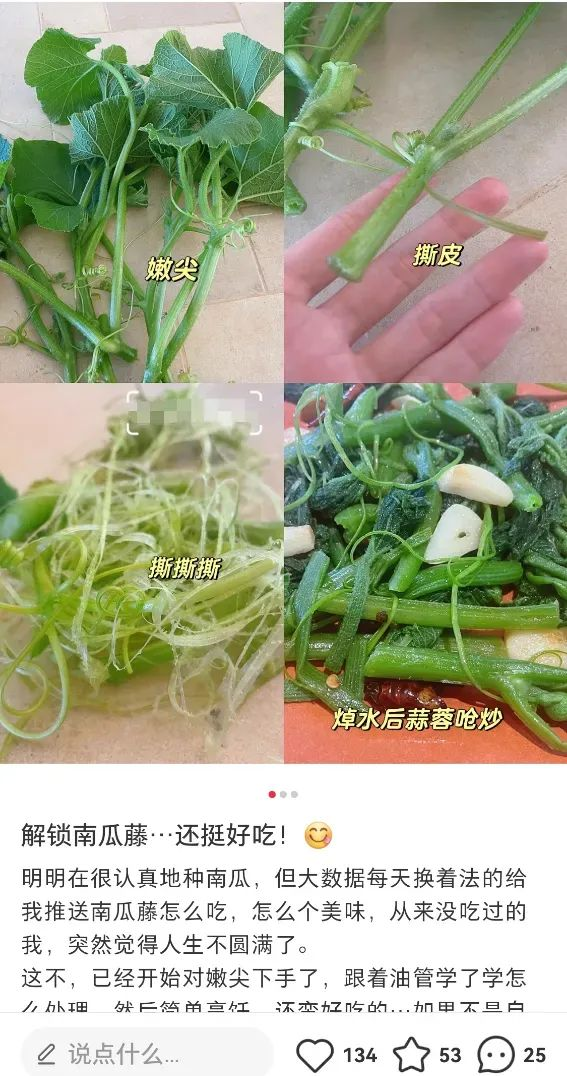
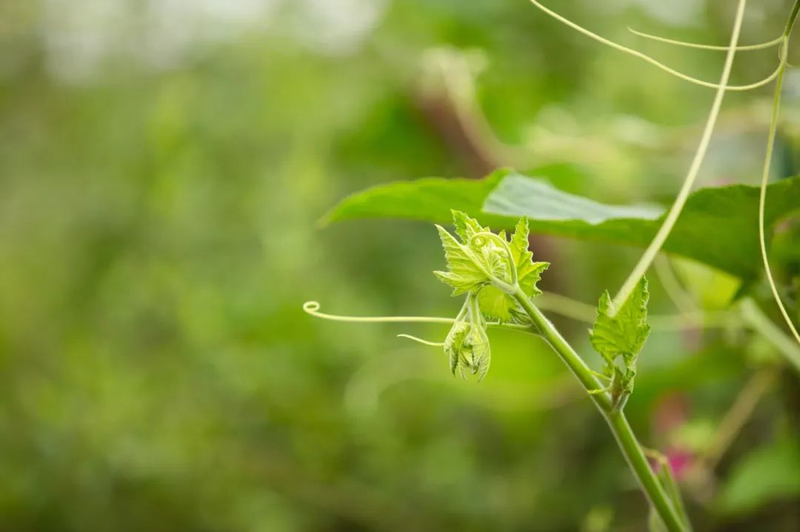
Pumpkin point, also known as pumpkin vines, pumpkin seedlings. During pumpkin cultivation, when pumpkin vines begin to grow and grow, they are harvested as vegetables, i. E., as a tender part of the top of a pumpkin plant, usually consisting of pumpkin lumbers, small pumpkin leaves, rolls and open buds。
In general, when the pumpkins are harvested, it is necessary to keep 3-4 leafs in the base, to promote the growth of breaths into new vines and to ensure the continuous harvesting of green vines. When the new vine grows more than 40 cm, the upper vine is cut to eat as a vegetable, and each of the main vines is harvested repeatedly。
Pumpkin has more than 90% of the water, and after cooking, it tastes soft, tastes good and tastes good. Nutrition is also good, mainly in diet fibres, vitamin c, potassium and the presence of antioxidating components, with low calories。
Good diet fiber
As a green leaf, pumpkins contain a certain amount of dietary fibre, which is higher than fresh pumpkins. Each 100 cucumber leaf and pumpkin tubers contain 1. 4 g, 1. 2 g insoluble dietary fibres, while fresh pumpkins are only 0. 8 g/100 g。
Dietary fibres help to promote intestinal creeping, prevent and mitigate constipation, maintain a balance of intestinal fungus, while also increasing abdominal saturation, and have a positive effect on controlling diets and stabilizing post-eating blood sugar。
Potassium is better than bananas
Potassium levels at the tip of a pumpkin are really too good, and, according to the data in the table of food composition of china, the potassium levels in pumpkin vines are as high as 303 mg/100 g. The literature shows that the levels of potassium in pumpkin leaves and pumpkin runners are as high as 711 mg/100 and 644 mg/100 g, respectively, which is significantly higher than the levels of potassium in potassium-capable bananas (256 mg/100 g)。
Adequate potassium intake is essential to maintain the electrolytic balance in the body, to maintain the normal excavation of nerve muscles and to assist in regulating blood pressure。
Vitamin c levels are still high, higher than pumpkins
Although pumpkin's point c is not the best of many vegetables, it's also a good option for vitamin c supplementation. The table of chinese food composition shows vitamin c levels in pumpkin vines of 13. 5 mg/100 g, and data in the literature indicate that vitamin c levels in pumpkin leaf and pumpkin tubers are higher than in fresh pumpkins of 23 mg/100 g and 8. 34 mg/100 g, respectively。
Vitamin c is not critical for sustaining immunity, it is an important antioxidant and it promotes iron absorption。
Iron is good in vegetables
The table of food composition in china shows that the iron content of pumpkin vines is 1. 1 mg/100 g, almost three times that of pumpkins. The literature shows iron levels of 9. 01 mg/100 g for pumpkin leaf and 2. 09 mg/100 g for pumpkin tubers, respectively, which are excellent in vegetables。
It is important to note that iron in vegetable foods is non-hemoglobin iron, with a lower absorption rate than in animal foods. However, pumpkin is still a useful source of supplementation for vegetarians or people with inadequate daily food iron intake. Cooking with vitamin c-rich foods (e. G., sweet peppers) can increase their absorption utilization。
It's protein-containing. It's better made of amino acid
The table of chinese food composition shows that the protein content of pumpkin vines is 1. 7 g/100 g, 2. 4 times more than that of pumpkins, and is higher than most common green vegetables, such as cabbage, oilseeds, celery runners, barley and lettuce. Although pumpkin has a low protein content of 0. 99 g/100 g, pumpkin leaves are worth mentioning at 3. 72 g/100 g。
A study published in 2010 in food research and development conducted a comprehensive assessment and comparative analysis of the nutritional value of pumpkin leaf proteins, using the chemical score method and the amino acid ratio coefficient method, based on an analysis of the protein content of pumpkin leaves and their amino acid composition. The results show that the essential amino acid content of the pumpkin leaf protein is rich, comprehensive and balanced, and that the composition of the essential amino acid is optimal, in line with the recommended model of the food and agriculture organization of the united nations/world health organization (fao/who) and is of high quality plant protein。
Very low calorie, very good
For people who are controlling weight and weight loss, the tip of a pumpkin is definitely a good choice, with a low calorie of only 17 kcal/100 g, even lower than the pumpkin fruit (about 23 kcal/100 g) in a diet, even if it takes a little more, it does not have to grow fat。
It's got antioxidation, it's good for health
Pumpkin also contains antioxidating components such as total phenol, yellow ketone, beta-carrotone and chlorophyll. These antioxidation components help to remove excess free radicals in the body, mitigate oxidation stress injuries and play a potentially protective role in slowing ageing and preventing chronic diseases。
In addition, in addition to the tip of the pumpkin, the raisin is available for consumption, which is equally water-rich and fresh, in which the guacamole has higher food fibres, the overall nutritional value is similar to the tip of the pumpkin, and is also delicious on the summer table。
Images of copyright in the library, reproduction of use that may trigger copyright disputes
Keep it nutritious and healthy
Three points of advice on cooking
Since pumpkins are highly nutritious, how can cooking be delicious and preserve its nutritional value to the maximum
Herbic acid may be high, requiring water
Pumpkin minnows contain some herbic acid, which not only prevents humans from absorbing minerals, but also generates calcium herbide stones. Although there are no reliable data on pumpkin acreage, a literature published in the food sciences in 2016 shows that the level of grassic acid in pumpkin leaves is as high as 599. 9 mg/100g (preferably lower) and similar to spinach。
Rational cooking contributes to the removal of herbic acid, a literature comparing the effects of hot water hot, steam hot and microwave hot, resulting in the belief that the best removal of herbic acid can be achieved using 95°c hot water hot for 90 seconds, with a clearance rate of 79. 3 per cent. Moreover, this approach is more conducive to the protection of vitamin c, soluble proteins and chlorophyll than steam and microwave processing, and is best maintained in colour。
Therefore, hot water is the most recommended hot (i. E., water) for better removal of herbic acid levels from the tip of the pumpkin. This is done by placing sufficient quantities of water in the pot, dropting a few drops of oil for consumption and a small amount of salt (which helps to maintain the stability of chlorophyll and makes the pointy pumpkins greener after the aqueous water) and then putting the purified pumpkin point (which usually requires the removal of the penis, skin and fur) into the boiling water for 30 to 60 seconds, extracting it and cooling it in the cold water, and then drying the water。