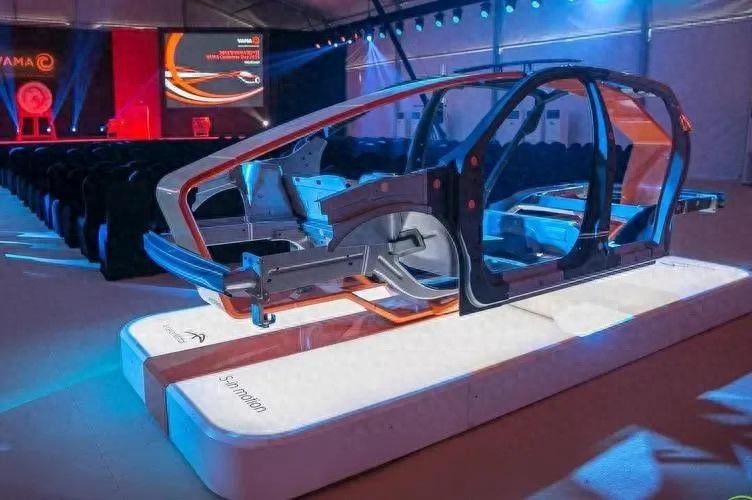
The car can drive through the road with the engine, the heart. It serves as a source of motor power, transforming energy into a mechanical drive forward. Common engines have two broad types of internal combustion engine and electric motor, each having a unique “power”。
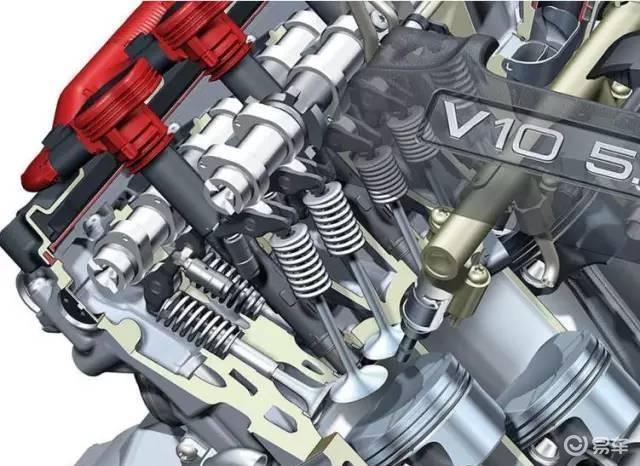
The internal combustion engine in the conventional fuel truck is the "top beam," and it's like a super-efficient energy, the "magic," that can turn the heat from fuel combustion into mechanical work. As an example of our usual four-string petrol machine, it works as if it were a well-structured "mechanical dance." the piston moves like a hard-working “stealer”, moves down, opens the gas door, “inhales” the air and gasoline mix, and prepares “ammunition” for subsequent combustion; compresses, the piston shakes into “heavy” and moves upwards, compresses the mixed gas so hard that its temperature and pressure rises sharply as if it were a spring of energy accumulation; and the most critical of the pyrotechnic, “flammation of passion”, erupts immediately, releases high-temper pressure gases, pushes a powerful push down the pyroscope and drives the rotation all the way to the wheel, so that the car runs in a single motion; and the plume runs once again, opening the exhaust door, “crows” the scrap gas after burning, and leaves space for the next entry。
The electric motive is the “power taking” of the new energy vehicle, which is widely used in pure electric vehicles and hybrid electric vehicles. It works relatively simply by converting electricity into mechanical energy. The power-driven advantage is obvious, small size and light weight, but it can export powerful power, is much more efficient than the internal combustion engine, and it has achieved zero tail gas emissions, and it has contributed to environmental protection. Like tesla model 3, an electric motor that produces powerful twists at once, speeds up 100 miles into easy run within 5 seconds, and brings the driving experience of wind and power。
Engine performance has a direct impact on motor, economic and environmental performance. Powerful engines allow cars to accelerate and climb without difficulty. For example, the suv, which is a large-volt engine, conquers all kinds of rugged roads with powerful power during the off-road. On the economic front, advanced technology continues to increase engine fuel utilization and reduce fuel consumption. Turbo pressurization, direct spraying in the tank, etc. Allows engines to “drink” less oil while maintaining power. Environmentalally, engine technology continues to innovate and exhaust emissions are decreasing. Diesel engines are equipped with tail gas treatment systems that significantly reduce emissions of harmful gases such as nitrogen oxides and meet stringent environmental standards。
The interior structure of the engine is complex and the cortex is like the “bones” of the engine, which cleverly transforms the piston's straight motion into a rotor motion of the warp axis to achieve power output; the gas distribution agency accurately controls the timing of the infusion and exhausts to ensure the efficient operation of the engine; the fuel supply system provides a suitable concentration of mixed gas; the cooling system prevents overheating the engine “strike”; the lubrication system reduces the friction of parts; the ignition system ignites mixed gas; and the start-up system boost engine is activated smoothly。
Technology is developing rapidly and engines are evolving. In the future, it will move towards more efficient, clean and intelligent. Mixed power engines further integrate fuel and electric technologies and increase energy utilization; hydrogen fuel cell engines are expected to be highly visible in new energy sources and contribute to zero emissions. The next time you start the car, listen to the engine boom, take a closer look at this magical heart and feel the power it brings to travel. Which technology do you most interested in motors? We welcome the sharing in the comment area。