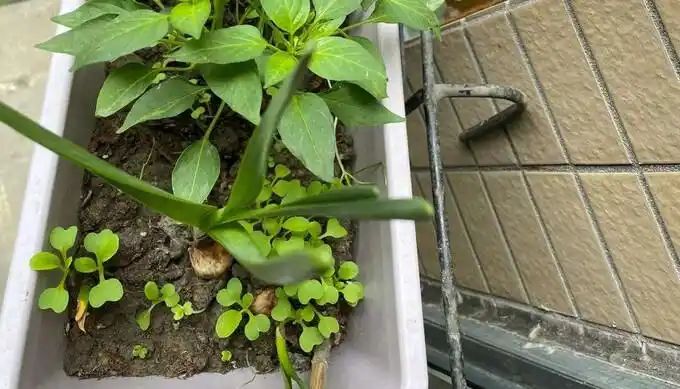
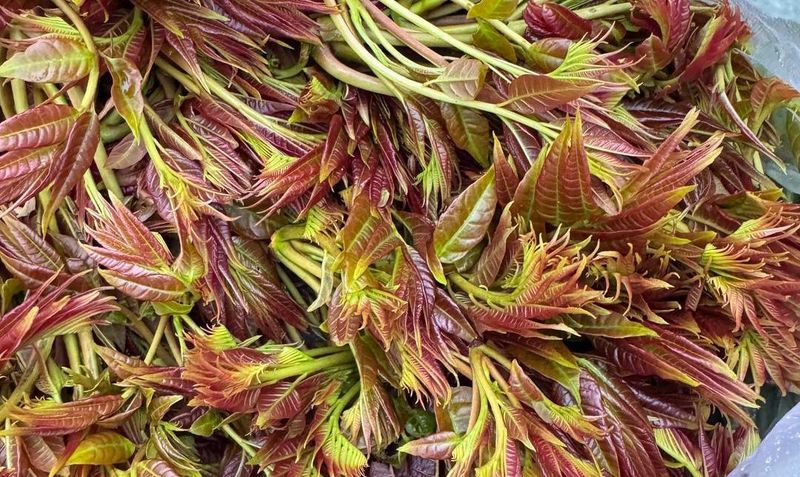
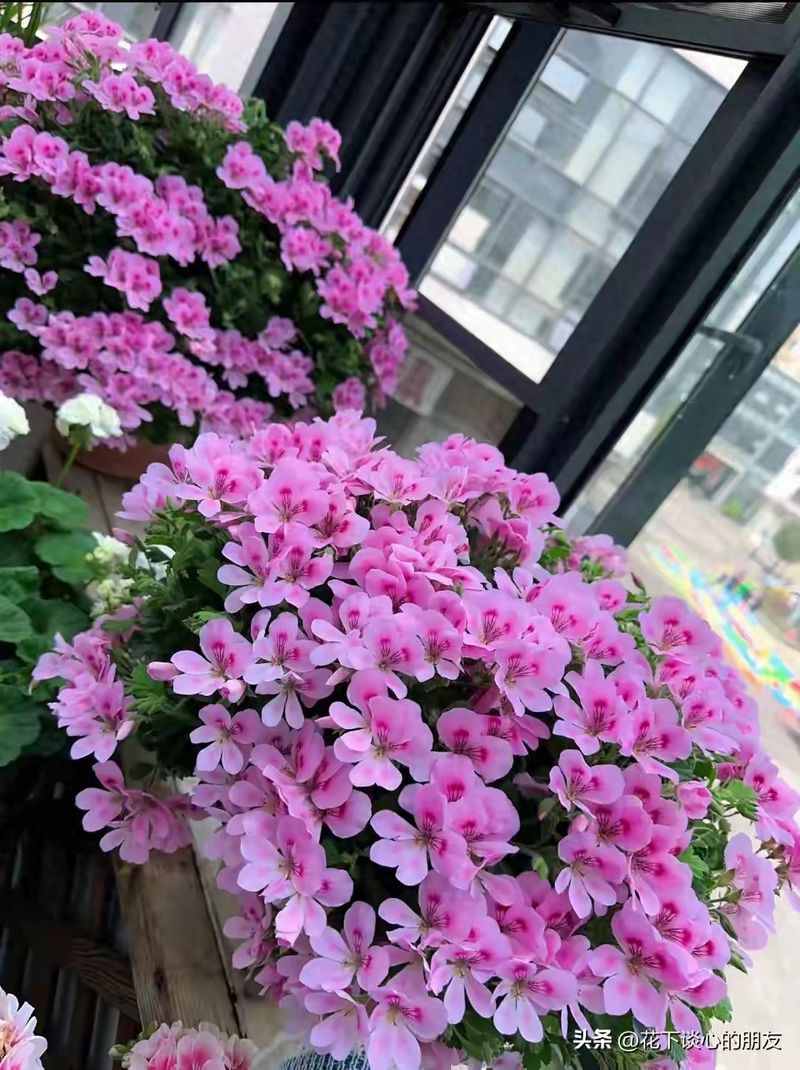
At the heart of plant control is the reconciliation of nutritional growth (long leaves) with reproductive growth (flowering results) and the greater flow of nutrients to fruit rather than leaf。
Core principles: why are plants growing
The boom is essentially an imbalance of “light, temperature, water, fat”, in particular:
Nitrogen overdose: nitrogen contributes to the growth of the leaf, which is the main cause of the boom. Sufficient water: sufficient water will work together to accelerate nitrogen absorption. Warm light is not well: insufficient light, too high night temperature, and the plant will grow。
Core: move nutrients from “tips” to “flowers/ fruit/roots”, from “high” to “strong”。
Systemic dynamic methods (basic to fast)
One acre
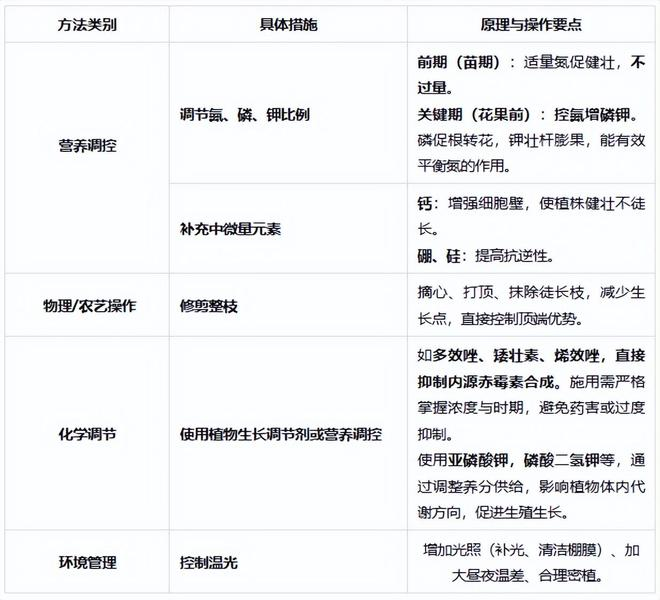
Summary
Crop control does not “war” with plants, but rather leads to healthy growth. Bearing in mind the following six experiences, you can move from passive remediation to active management:
I. Kuwait before “wing”: proactive management is better than aftercare
The highest level of control is "failure". This requires us to lay the groundwork from the start of fertilizing: balanced nutrients (avoiding the “unique” of nitrogen fertilizer), water-saving irrigation with “dry and wet” irrigation, and co-opting the whole branch in due course. Keeping these daily efforts in place, crops are naturally well balanced and can significantly avoid a later “negative” situation。
Ii. Understanding the "linguistics" of smutation: drugting the disease without harming the saplings
Not all tall seedlings need “pressure”. Distinguishing between the healthy and well-rich water, the strong leaves, and the weak and the weak with low light and thin leaves. While the former may require a moderate adjustment of fat water, the latter may need to improve light and enhance tree position. If miscalculated, the “heavy hand” on health may inhibit the potential for increased production。
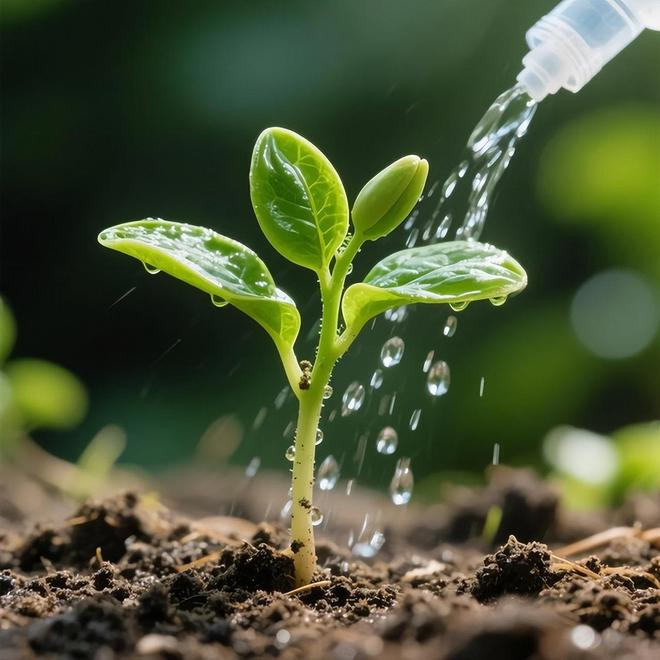
An acre of enthusiast
Iii. Reaching the “fire”: key window periods, it is desirable to act sooner rather than later
If judgement requires chemical regulation, the timing is lifeline. It should be used in the early stages of the boom and in early tissues, when plants are responsive and can achieve better results at smaller doses. When the stasis is old and thick enough to intervene, it tends to be more than successful or even less effective。
Concentrations bearing in mind "safelines: lightly or less, test first"
For the use of chemical regulators, the iron law of “better than less and less” must be adhered to. Different species, climates, and geodynamics affect effects, and no one-size-fits-all concentration is released. When new varieties or formulations are used for the first time, it is essential that small-area tests be carried out and that a wide-area extension be carried out after three to five days ' observation of safety and security。
V. Playing a job: a single measure is less a multipronged approach
It's not "one trick". The most robust strategy is “the foundation of nutrition regulation, the cutting of agronomic measures and fine-tuning of chemical regulation”. For example, on the basis of increased potassium fattening and moderate water control, the still-growing branches are gravitated and micro-regulators are applied for local spraying. This combination is more stable and safer for crops。
Vi. Enforcement of the final “lines”: negotiation, security first
The closer the harvest, the more cautious the use of the regulator. The safety intervals indicated on product labels must be strictly observed to ensure that agricultural products are not left behind. The final stage of growth before harvesting should be fully restored to the final bottom line of agricultural safety, based on nutrition and agronomic measures。
May you all have a good harvest in the land