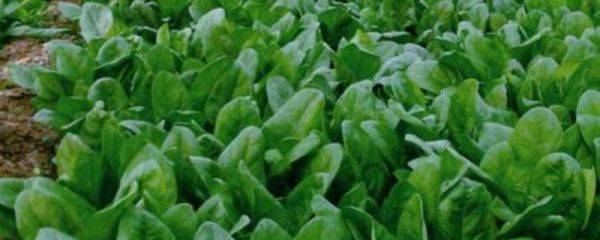
Land preparation: select the suitable soil and till it down to do a 1. 2-1. 5 m wide oscillation. Seeding: the seed of 3-3. 5 kg per acre is sowed or sowed with 3 cm of dust. Fertilizers: 5,000 kg of decomposed organic fertilizer per acre, 25-30 kg of calcium per phosphate as base fertilizer, followed by timely fat pursuit. Watering: during growth, the soil is wet, frozen and recycled in a timely manner。
I. Technology for open winter spinach cultivation
1. Land preparation: selection of neutral soils with flat terrain, soil perturbation and fertility, with better drainage and water preservation capacity, deep tillage (deep at about 25 cm), flattening of the soil, and luminum width 1. 2-1. 5 m。
Seeding: choose high-yielding, resilient, high-quality seeds, using 20°c hot water immersed seeds for 12 hours, approximately one day before planting, and extract dry seeding. Seeds of 3-3. 5 kg are planted per acre and, if so distributed, the seeds are spread over the swarms, with 3 cm behind the scab, and, if so, on the scavengers, with a gap of 10-15 cm。
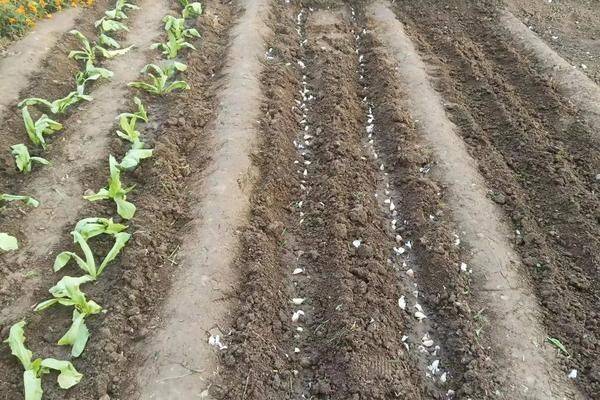
3 fertilizers: while deep tilling the land, 5,000 kg of decomposition organic fertilizer and 25-30 kg of calcium phosphate per acre are applied. Prior to winter, as spinach seedlings grow to around 10 cm, one winter winter fertilisation is followed by ammonium sulfate of 10-15 kg per acre, depending on the particular growth of spinach. After springtime, 20-25 kg of ammonium sulphate was applied in a timely manner and 2-3 times the "phosphate potassium power" of 800-1,000 times the same leaf. When spinach enters the climax, 10-15 kg ammonium sulphate is applied to each acre。
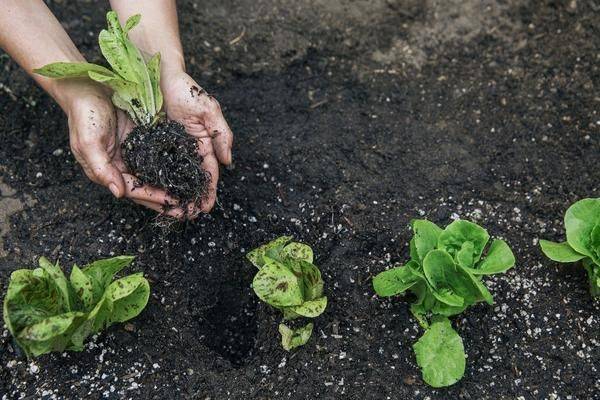
4. Watering: seeding ensures that the field is wet and watered for the three to four leaves is appropriate to help spinachs get through the winter. The water is frozen once before the freeze, and once the spinach returns to the green, the water is poured out once in the middle of the day. The amount of water should not be excessive and the soil should be moist during the boom。
5. Management: when winter spinach is grown, the temperature is low, and when seeded, plastic membranes can be covered with it, and the spinach can be removed。
6 insects and pests control: aphids, using 40 per cent of rhesus 1,000 times the fluid, or 50 per cent of the fluids resistant to aphid 2000-3000 times the fluids; leaf flies, using 50 per cent of the emulsion emulsion, 1,000 times the fluid, or 80 per cent of the trichlorfon powder, 1,000 times the fluids; froste, using 58 per cent of the redomir 500 times the fluid, or 75 per cent of the fungus 600 times the fluid; anthrax, using 50 per cent of the methtobutin 500 times the fluid, or 50 per cent of the polybactrin 700 times the liquid。
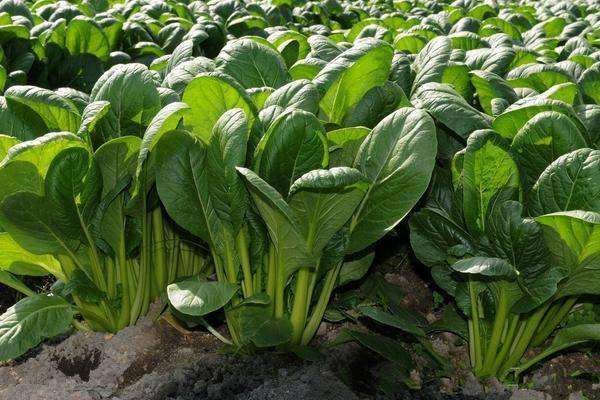
Ii. When is the right spinach
Spring spinach, usually grown at 5°c temperatures during the month of march, is harvested about 1-2 months after planting。
Summer spinach, usually spread in may-july and harvest in june-september。
Autumn spinachts are generally planted in august-september and collected in september-october。
In winter, spinach needs to be assured that it will grow four to five leaves before winter breaks (which are more resistant to cold when they grow four to five leaves), generally between mid-october and early november, and in the north between late august and mid-september。