The method of planting the luice flower

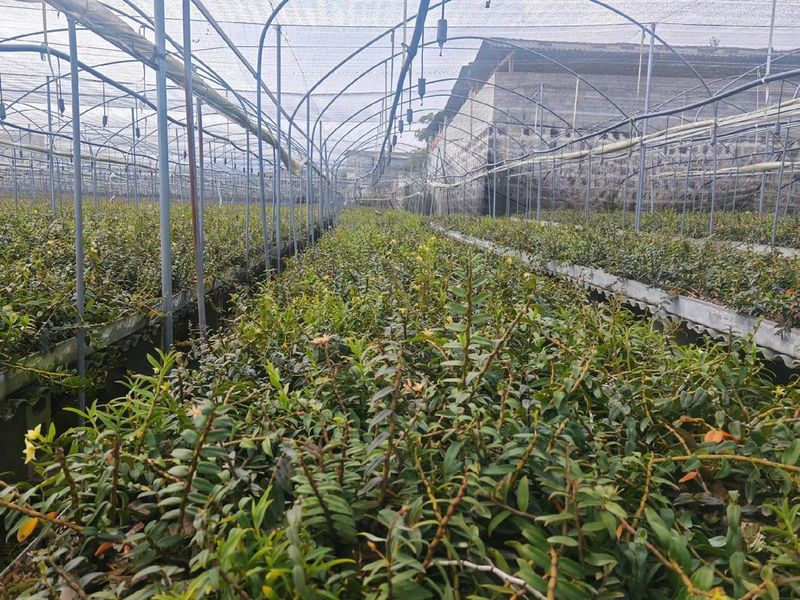
Luice flowers breed in spring and autumn and in spring in march, but long-lasting spring life is affected by the heat of heat and heat, which can lead to low rates of non-flowering or flowering, short-spring and poor performance. Under natural conditions, the autumn season is longer and better off than the spring season, from september to mid-october and from april to june of the following year. 72 holes or 128 holes are counted and covered. The seedlings are smooth and smooth, and the water is protected by air. They are used exclusively for the production of seedlings or for the mixing of grass-grain and pearl rock. Luice seeds are larger, common or wrapping, approximately 40/g. The sprouts are about 25°c and the medium is moist, with 7 to 10 days of seed sprouts and a high gestation rate。
How do you feed luice
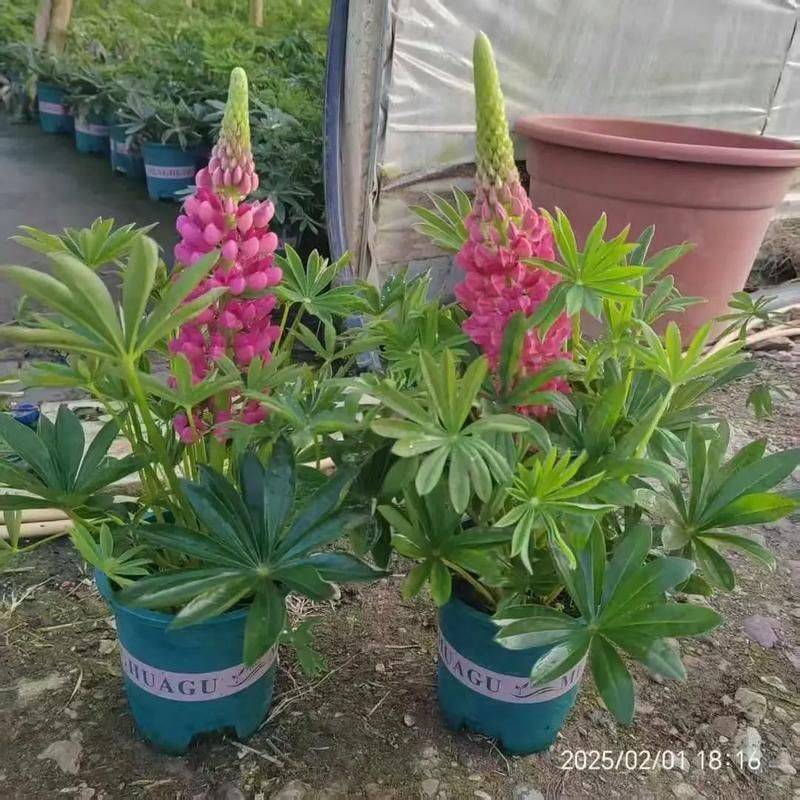
The coolness of ruby, together with its inherently perennial nature, requires special attention in the management of high summer temperatures to prevent the yellowing of leaves, small growth of plants and even death as a result of high temperatures and humidity and sunburning. In gardening applications, it is also possible to plant the flowering season's ruby directly under the tree, in a cool and ventilated area, to facilitate summer management. After viewing the pelvis, it is necessary to cut off the remaining poaching and old leaves in a timely manner, control the fat water, and protect against the high-temperature period and ensure that the summer is safe。
The method of farming the luice
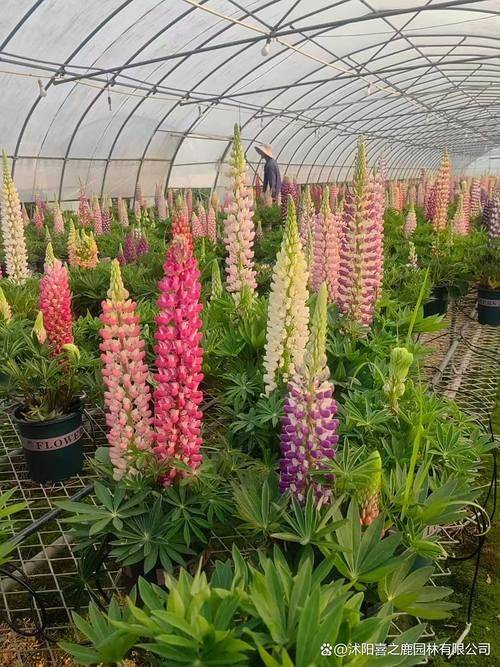
Controlling and regulating the alkalinity (ph value) of the planting matrix during the cultivation of luice flowers is essential for normal growth and flowering. In general, simpler and more efficient regulation is the application of sulfur powder to the planting matrix. Since sulfur takes time to decomposition in the matrix (approximately 40 days or more) to regulate, application should take place as soon as possible. The application usually begins when two to three real leaves appear after the seeding occurs, depending on the original acidity of the planting matrix. In addition, acid fertilizers such as iron sulphate and aluminium sulphate have the effect of reducing ph in the short term, but excessive salt ion concentrations can poison plant roots and are less used in production。