The economic benefits of utino cultivation
1. Indoor box planting:
The output of indoor containers is more stable because of the fact that they are not affected by the weather and that they usually receive around 8 kg of cylindrical and 2 kg dry, at a value of $180/kg
2 kg x 60 kg/kg per box = 120
Gross gain per box: $480
For example, 100 cases of indoor cultivation (about 50 m2) are used:
Space can be fully utilized, with the production of 10 stand-laying wooden boxes and 2 floors of stereo-planting, with an average of 10 boxes per stand and a gross gain of 480 = 48,000 = 100 boxes。
Various expenses: tsemic sources calculated at $120 per container (with honey cyclic species)
Source: 100 group x120 = 12,000。
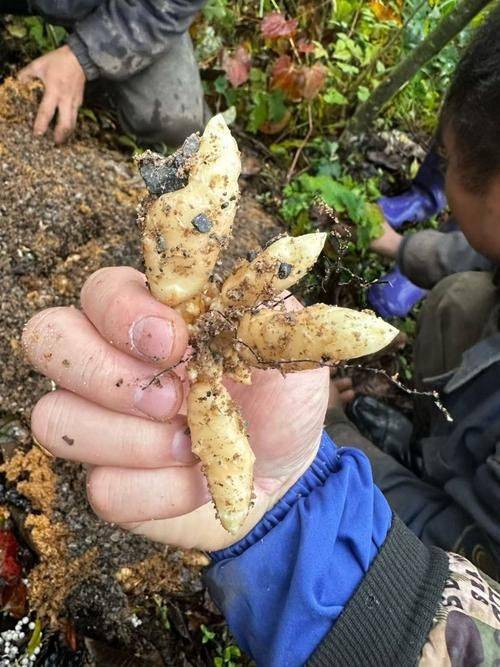
Bacterium expenditure: 0. 4/kg x 30 kg x 100 boxes = 1200 yuan
Woodboxing: $20/box x100 = $2,000
Production of iron racks: 10 iron racks x $90 = $900
Utilities and other expenses: $1,000
Total expenditure: $17,100
Gross revenue; $48,000 - $17,100 = $30,900
2. Field planting:
Outdoor cultivation is less expensive than the construction of iron racks and wooden boxes. It's about 10 kilograms per person, 3 kilograms per person, at 180 yuan/kg, worth 540 yuan
2 kg x 60 kg/kg = 120 yuan per person
Gross proceeds per square: $660
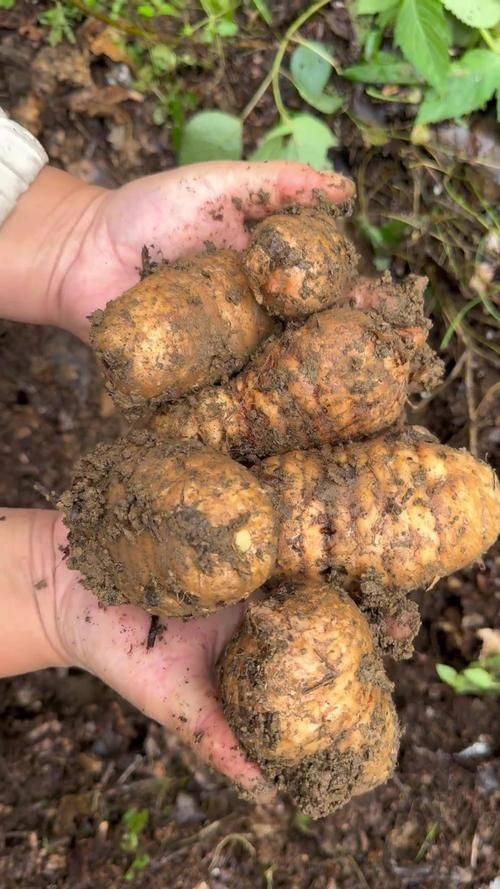
In the case of an acre under a field or forest, the area covered by the fields and drains is taken out of the field and calculated on the basis of 400 squares per acre, $660 x 400 square = $264,000。
Various expenses:
Source: 400 group x120 = 48,000。
Bacterium expenditure; 0. 4/kg x 30 kg x 400 square = 4800 yuan
Labour and other expenses: $15/square x 400 square = $6,000
Total expenditure: $58,800
Gross revenue; $264,000 - $58,800 = $205,200
Ustima cultivation technology
1. Cultivation areas. Utsima is mostly distributed in clouds, gui and kawakawa, as well as in the three north-eastern provinces. In the yangtze basin, only mountains above 1,500 metres above sea level are distributed or planted. So artificial seeding, preferably 1,500-2000 meters. According to our tests, seeding below 1,200 metres above sea level is not very effective. Therefore, artificial cultivation of obituaries should be chosen in cold, high mountain areas in order to achieve high quality and productivity。
2. Leach selection. Because of the small amount of water contained in the lumber arrows, as well as in the seeding, the number of white plasters of the same size is the same, usually 40-50 per pound, compared to 30-40. This results in both weighting and the calculation of the number of scavenging species in the context of obituary seed. The cultivation of a square metre of red mantis is 1 pound, while the cultivation of a square metre of urtis is 1. 2 pounds。
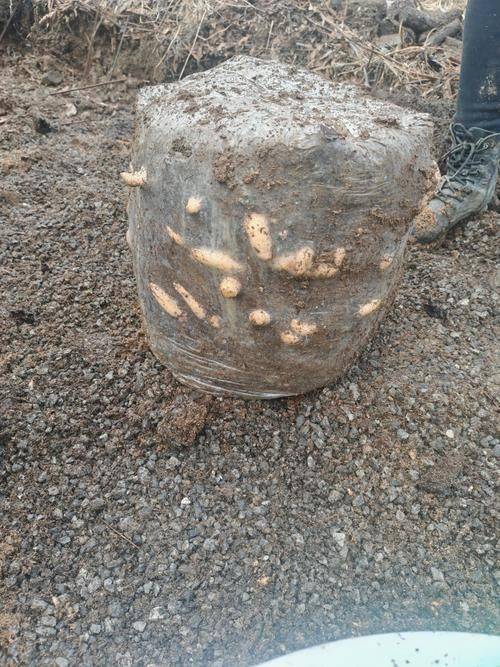
3. Cultivation of honey rings. In embroidery, platinum, platinum, cherries, cherries, flowers, milk, fragrance trees, etc., the trees are strong and perishable and their bark is thick and difficult to remove. These trees are the best growing obituaries. Trees have a diameter of 5-12 cm thick and 50 cm long when broken. A branch of less than 5 cm in diameter can be cut to a short branch of 5-10 cm long and spread around the blubber. The amount of bacteria used is based on 8-10 species per square metre (or a cellar) weighing 25-30 kg and 8-10 kg for short branches. In march-april of spring, the fungus were bred with two bottles, in august-september, and in august-september, with 1. 5 pounds。
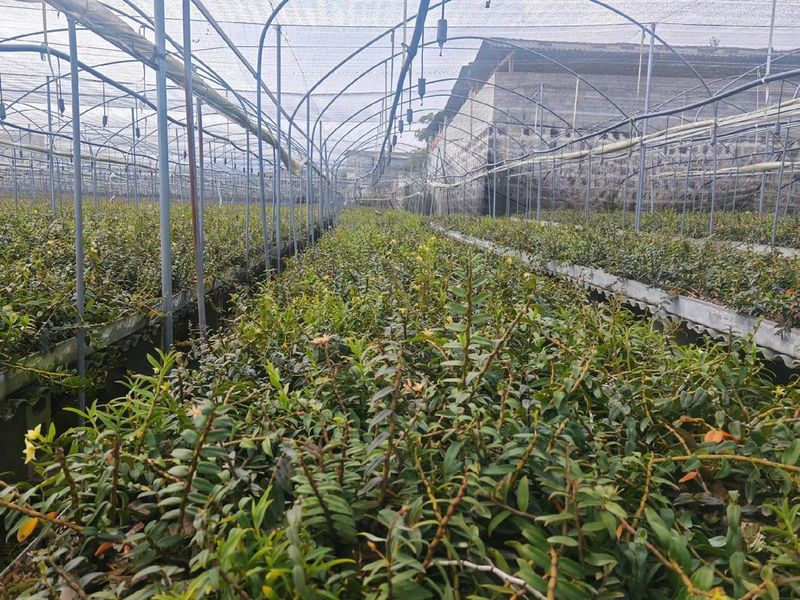
4. Cultivation methods. When seeding, the seed is placed close to the fungus, with six species placed on one fungus, four in the middle, and one in each. You can plant or plant. And when it is planted, it shall be covered with fine clay, and shall be filled. There is no gap between the seed and the earth. Peaks are covered with leaves, grass, straw, corn straw and so on, covering a thickness of 2-3 cm. Then open the drain。
Field management。
(1) in winter and the early spring, the temperature of the cover shall be maintained at temperatures below 10 cm in the den at 0-5 °c vii, 8 or 9 months in order to regulate the temperature and to keep the temperature at 26 °c。
(2) water management, 12-march, 12-month wet and freezing, with 30% water content in the soil, see cyanide. In april-june, water was increased, with 60-70 per cent water content in the soil, held in chains and scattered. In july-august, the soil was cooled with about 60 per cent water. From september to october, the soil contained around 50 per cent of the water, held in small groups, and was then easily dispersed. In november, the soil had a water content of about 30 per cent and was dry and loose. Attention is also being paid to weed removal and pest control during the growing season。
6. Harvest. Excavation after the fall of the frost should take place at a time when the sun is clear and within a period of one to two days after the rain or days after the rain, with two baskets, boxes, a special-fitted sterilisation, and a specialized product. They are seeded in a timely manner or transported as required. Merchandise is also processed in a timely manner。