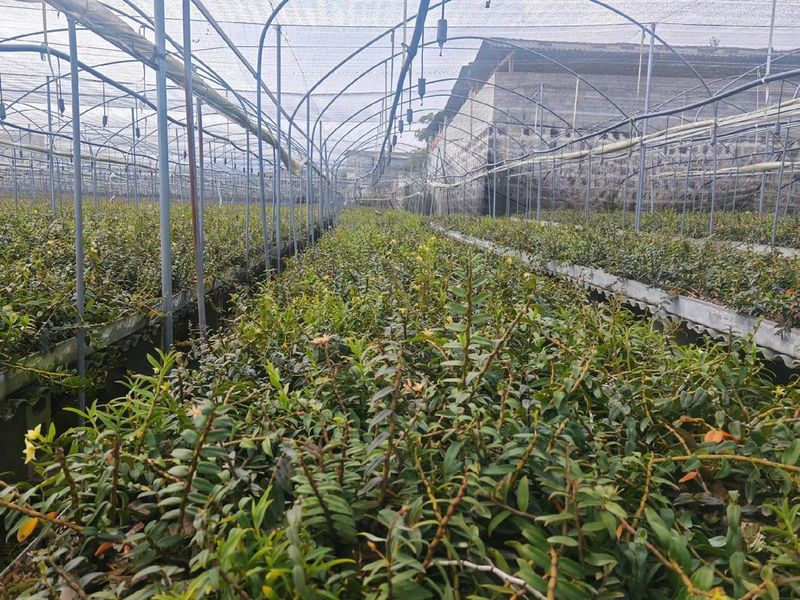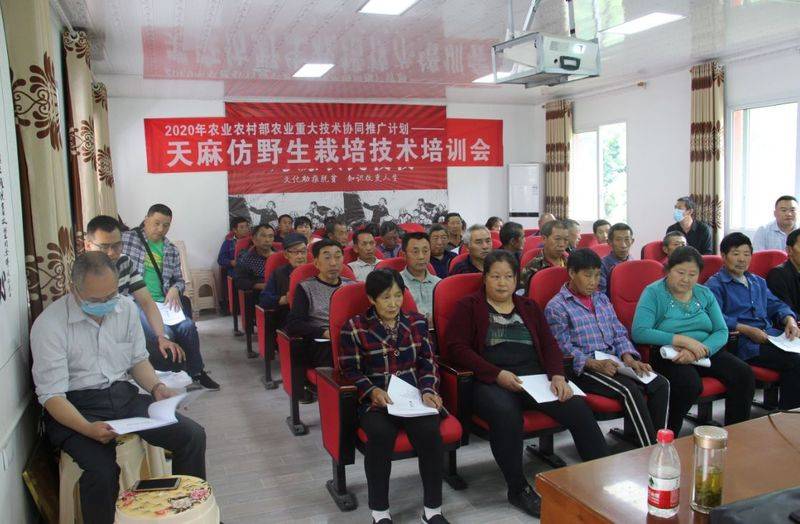
In order to accelerate the implementation of the 2020 pilot project of the ministry of agriculture and rural women's agricultural co-operative extension programme, tema bioplanting, on 26 and 27 may, the institute of agricultural science of the city of dazhou organized a pilot project of the ministry of agriculture and rural women's agricultural co-facilitation programme for 2020 in stone tong, long dam town, mangen city。
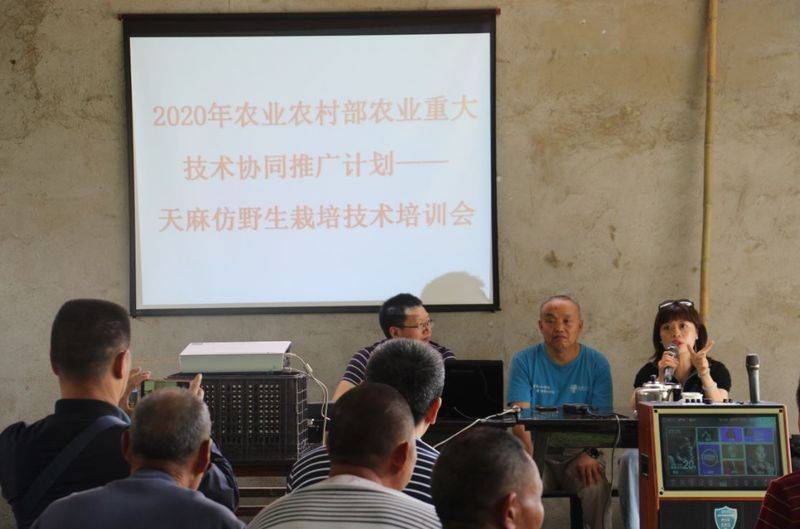
The meeting was chaired by wang zhid, vice-president of the institute of agricultural sciences of the city of dazhou, the institute of microbacteria of the sichuan academy of medical sciences of sichuan province, the institute of chinese medicine of the university of south-west transport, the rural agricultural bureau of mangen city and others, the chamber of commerce of pharmaceutical industries of mangen city, the head of the local enterprise and the zimma grower, and was attended by more than 160 people, with the participation of the chief technical officer of the project, the chief specialist of the drug innovation team of sichuan province, roxia research fellow, and professor zhang xing guo of the institute of medicine of the university of south-west transport。
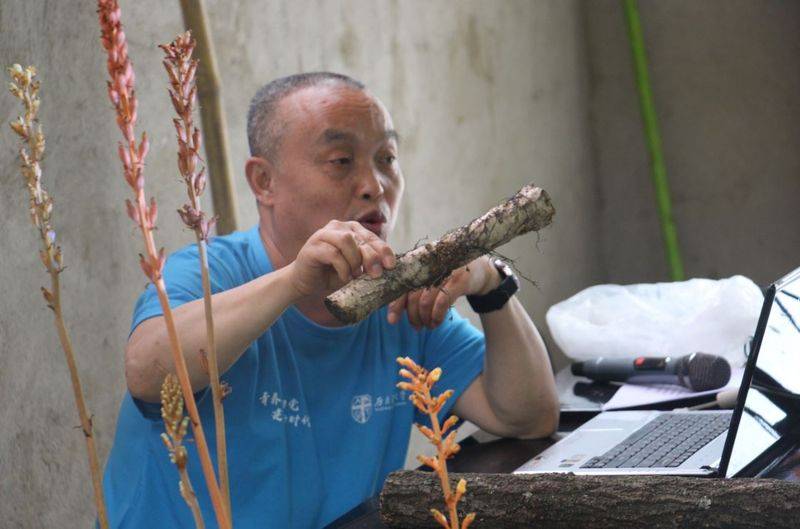
During the training, sun jia reported on behalf of the project team on the implementation of the project; the chief technical specialist of the project, roixa, gave a brief analysis of the current state of the development of the zemper industry in the current situation, presenting the main objectives of the piloting of the project and the division of labour among the participating units; professor zhang xing guo of the institute of chinese medicine at the university of south-west transport then elaborated on the techniques for the selection of new varieties of zang dynamite and production of zangmima; and the president of the chamber of commerce of the pharmacy industry in mangen city gave a detailed presentation of the theory in the light of the theory and practice of zang yuen and non-sexual cultivation techniques. In addition, the experts distributed relevant technical information to the participants and answered questions on the technical problems encountered by the grower in the actual production。

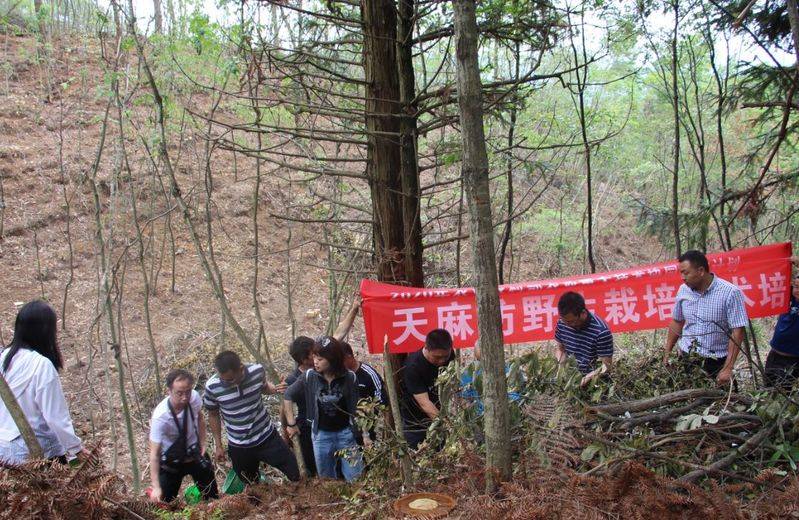
After two days of training, the participants gained a comprehensive understanding and mastery of the techniques of tima imitation and wild cultivation, raising awareness of tima imitation。
"eat-breeding position in the mountains and hilly areas