As fertilizer use increases, soil acidification becomes more intense, and soil acidification is an issue that is not difficult to understand, for example, as humans get stomach acid。
1. Cultivation of mangoes
In the past, much of the seedlings were produced using live breeding, i. E., directly from seeds. This method is simpler, but it is highly variable and has a very late endurance (which takes 5-7 years to enter the flowering season). This method is not currently used in production except for green seedling breeding。
Plumbing
(1) landing
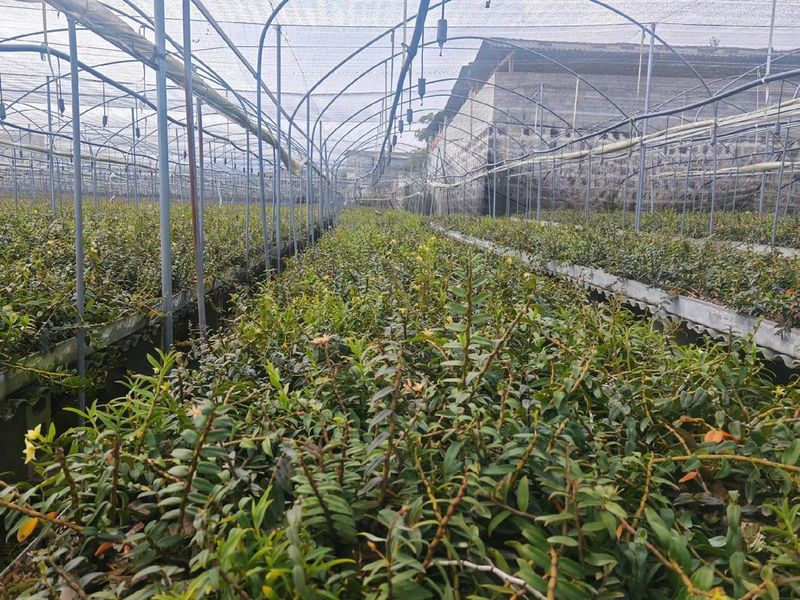
The nursery grounds should be far from mango gardens, with no old mango trees around them, in order to reduce the spread of disease and insect- and insect-free trees, and to facilitate transport and irrigation. The nursery should select a low slope with a backwind to the sun, a northerly to the south, and a full sunlight, with a groundwater table below 1 m. Low-lying areas are frozen by the ease with which they accumulate cold air and are difficult to drain, vulnerable to flooding and unsuitable for choice。
The nursery is more suitable for sandy land with a ph of 5. 5 to 6. 5. The sandy soil is poorly protected and the trees are prone to drought and solar burns and poor growth. The poor permeability and drainage of the clay and the adhesiveness of the soil render the roots poorly grown, with many injuries during seedlings and low survival rates。
Mango nurseries are not suitable for long-term reconnection, otherwise their capacity will decline, their pests will be severe and their growth will be detrimental to the plant
(2) seed treatment
Mango seeds cannot be stored, let alone dried up in the sun. When mature seeds are removed from the fruit, they should be planted immediately so as not to affect the gestation rate. The longer the seed is placed from the fruit, the lower the gestation rate. Where long-distance transport is required, fresh fruit storage is preferred。
Mango seeds, which are so thick and difficult to grow and sow, need to be skinned to sow them in an insect-like manner in order to be fertilized and organized. After the seed has been taken, it can be sprung on the sandbed and then moved to the seedbed. It is also possible to sow herds directly to the field sapling bed at the specifications of 15 cm x 20 cm。
1 sandbed sprouts
The sandbed shall be located in a cooler place, 10-12 cm sand. For management purposes, the face is 80 to 100 centimetres wide. A sunnet can also be placed on the bed of a field nursery to prevent direct exposure to the sun and heavy rains, thereby facilitating normal soil seedlings。
2 seed disinfection
Before seeding, 50 per cent of the filamentable powder is treated with 800 to 1,000 times more liquid before seeding. When seeding, the seedlings are placed on the sandbed, which is paved one by one and covered with fine sand, and the thickness is appropriate to be about 1 cm above the seed. It is then watered and covered with thin membranes to keep the soil wet。
3-bed transplant
Seeds generally begin to rise after 7 days, and seedlings are almost ready after 15 days. The highest rate of survival of seedlings is found in purple red and leaves are ready for bed-spreading before they are developed. The transplant specification is 15 cm x 20 cm, with 8,000 x 10,000 seedlings per acre. When seedlings are moved, seedlings, together with seedlings, are removed and planted into seed beds, and multi-embry seeds are carefully divided. In order to facilitate management and improve the coherence of the growth of the seedlings, the choice is to plant the same growing seedlings in the same nursery, with the weak seedlings being planted in separate beds. The root of the plant is to be stretched, its roots are too long, it is appropriate to cut the root and push the side root. The earth covers the neck of a seedling。
In order to facilitate management and to facilitate the discharge of trees from the nursery and increase the rate of survival, a nutrition bag can be used for seeding. This is done by selecting a black film bag with a diameter of 20-24 cm and a height of 25 cm to be filled with nutrient soil (two-thirds of the soil is mixed with one-third of the soil of a paddy farm and one-third of the fertilizer of a grown farmer), moving seedling into a nursery bag and managing it in a manner largely consistent with nursery management。
4 nursery management
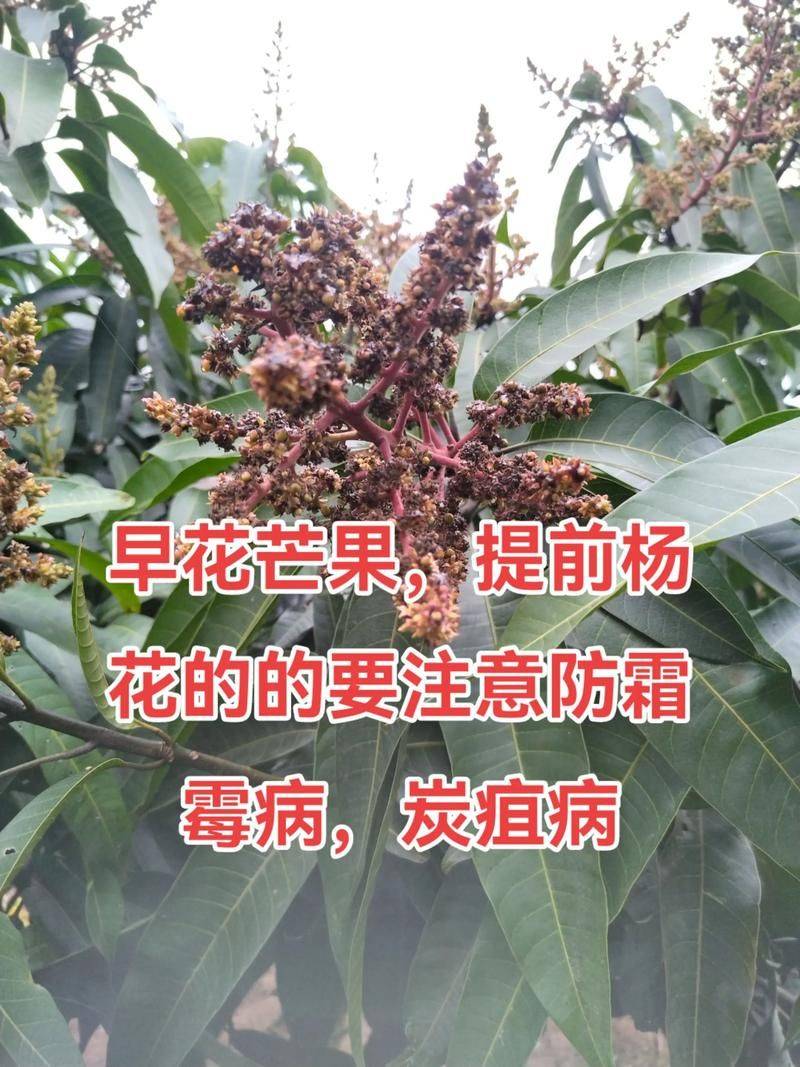
A shade of sun. It is during the high-temperature sun season, and it is best to use 50 to 60 per cent of the sunnet as a shade to prevent sun burning. After a month, the seedling grows steadily and then the sunnets are removed。
Fertilizer management. After transplantation, the soil is kept humid and in case of natural drought, the water must be showered one to two times a day until the seedling recovers and gradually reduces the number of showers. Plants can be pumped with thin dung or 1 per cent urea solution when they start pumping out of the new floor. Two fertilisations are required for each spot, which will facilitate the rapid growth of seedlings. In order to prevent soil plastering, weeding and covering of the face with organic matter (e. G. Straw, grass or morbid soil fertilizer)。
Combat the disease. Insecticides such as trichlorfon or oxidizers should be sprayed every 7 to 10 days at the onset of the new moth, where it is mainly hazardous. Preventable diseases can spray bordeaux or other microbicides。
The seedlings
When a log is bred to a diameter (15 cm from the ground) of 1. ~ 1. 2 cm, it is contracted。
Temperature is one of the main factors in determining marriage. When the temperature is below 20°c, the growth of the tree is reduced. The rate of indoctrination drops with temperatures or is unable to live. Wet-over can cause disease, leading to the death of the ear or the retort of the wood, which affects the seed rate。
It is possible to marry when the fluid begins to flow and the bark is easily defecated. The guangzhou region has the most suitable season from may to september. There are a number of methods of marriage, which can be selected according to the size of the logs, which may be small sprouted or split, and slightly thick sprouts。
(1) selection of the enemies
On a good parent tree, an insect-free, sprouted or sprouted sprouted on an old well-natured branch that is born one year to the sun, with a high rate of indigence and strong growth. Scratches are then cut off and humid in plastic film bags to avoid sunlight. It would be preferable to pick it up immediately, and if left, to store it with wet sand in the cold. If transport is required at a long distance, it is packed with wet paper and humidised in plastic sheeting bags。
(2) marriage method
One sprouts
It is widely used because of its healing, high utilization and advantages such as ease of repair. The method of matrimony is: at the backbone of the logs, which are approximately 30 cm above the ground, to choose the smooth and smooth parts of the wood, cutting across and around, and cutting them to depths until they form layers. After opening, the cortex is removed from the top and formed into a rectangular sprouts of approximately 0. 6 cm wide and 1. 5 to 2 cm long. The size of the sprouts depends on the size of the tree. Then the sprouts, which are slightly smaller than the sprouts (like the sprouts), are removed, the sprouts are placed in the middle, and the sprouts are not reversed. When this is done, the sprouts are sealed from top to bottom with a plastic film, which is then cut in half after the event. This law can also be used for high-level switching。
Two splits
It's called harvesting. This method can be used for luminum cortex. Cut the upper part of the aluminum 25 to 30 cm above the ground, split the interface between 1. 5 and 2 cm in the middle, and then cut the ear into the same wedge with the same sides and insert it into the mouth of the aluminum, where the ear and the formation layer of the aluminum are aligned (at least one to one side) and reinforced with plastic film. The law is strong and has a high rate of survival。
Three-to-three
It's all fine. The upper part of the aluminum is cut first, and it is cut vertically between the wood on the fracture and the bark, approximately 1. 5 cm long; the sprouts are single or multisprouts. The lower side of it is reduced to a slightly longer cut side than that of the gill, and the lower side of the cut is reduced to an angle of 45 °, which is then closely aligned to make the two the same layer. If the size of the thorium is different, there must be a one-sided layer of formation. Finally, plastic sheeting is attached, which is easy to do and has a high rate of survival。
4-coalition
First cut to the upper part of the aluminum (30 cm above the ground), and cut a corresponding slope in the back of the ear and on the top of the aluminum, which is the same size as the aluminum, and is attached to the interface. Because of the whole branch, the combination is difficult to heal between the wood parts. Remission rates are high and resistance to wind is low. This method is currently rarely applied。
Five-by-five
The characteristic of this method is that the ears do not leave the matrix until they are alive. Select a growing, smooth branch, cutting a face about five centimetres long, deep wood, and a corresponding cut face on the log, which is then directed to the cortex and tied with plastic sheeting. When the two sides are fully healed, the ear is cut below the interface and the upper part of the log interface is cut off into a new plant. The method is easy to live because the ears are not removed before they are alive, but the she-trees are strewn when they are tall, more laborious and more ears。
Six
The twig is also called the bar. Select the branches of a fine breed that have been born for more than two years, strip the cortex of a side, which is about 5 cm wide, shaves and forms the layer, keeps the root material wet and nutrient-rich on the strip, and encourages a new root at the bottom of the branch to become a new plant. The branches have the advantage of high activity rates, fast growth and easy access to technology, but they have low reproductive coefficients and may be carried out on branches that are too dense or need to be trimmed。
(3) management of seedlings
1 untie and patch
Selecting to use a bridal membrane belt, which does not have to be untied, the buds will go through themselves. When it is wrapped in ordinary plastics, and the bud's eye is saturated, the plastic belt of the bud's eye will be removed and its natural reach will be lifted until the bud grows fresh. When untied, the plastic strips are cut gently on the back of the interface, not near the interface, and not into the cortex. If you fail to get married, you need to replace the plant in time。
Two shears
The sprouts of sprouts, which are alive, cut on the sprouts from 4 to 5 cm, prompting the sprouts。
Three without the cynics
A large number of leaf sprouts are easily extracted from the base of the wood or the upper part of the cut, and must be removed in time to prevent the sprouts and sprouts from competing for nutrients and affecting the growth of the ear。
4 fertilizer water management
After sprouts, the soil is kept moist and properly watered. Following the bud's onset, quick-effect fertilizer is applied once, followed by the application of fertilizers every time they are pumped, and attention is paid to the hazards of drill-proof heartworms。
Five trees out of the bed
The good or bad work is directly related to the planting of a living and the growth of a young tree, and it shall be postponed for the seedlings with insects and fresh seedlings。
Out of the bed: the date of delivery depends on the time of planting. Mango is grown for two periods, namely spring and autumn, so that the trees are grown in spring and autumn. In the spring, between the first half of march and the first half of may, when the temperature of the outlet gradually recovered, the rain was heavy, saving water for both the water work and the requirements for the growth of the trees, so transplants took place mostly in the spring. Cultivation in the autumn (august-september) is slightly lower than in the spring due to the dryer weather and heavy sun. Choose to plant after the typhoon。
Specification of the nursery: the tree shall meet the ancillary specifications and the nursery shall have the following three points: grow strong and attain a certain height and thickness; heal the marriage interface well; and be free of serious diseases and pests, especially quarantines。
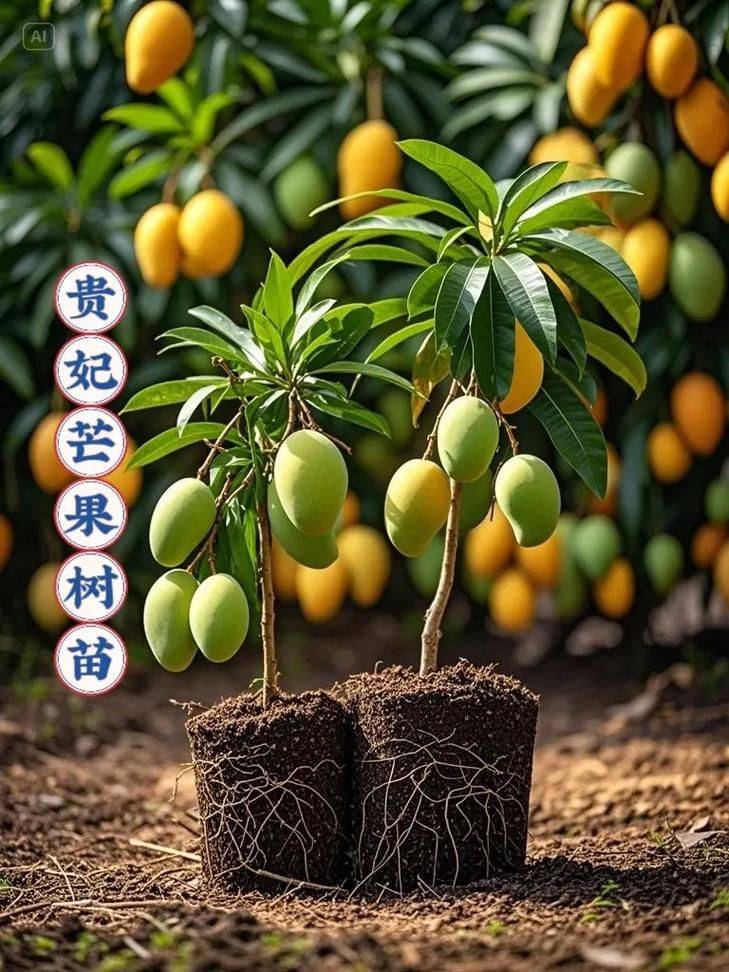
Sapling: there are two methods of raising seedlings, namely soil seedlings. Before the seedlings rise, the field is fully wet and the roots are reduced. The seedlings should take place in the sun. The mudslides shall be 15 cm wide in diameter and 20 cm tall, and shall be packed with straw or thin membrane bags as soon as they rise, and then cut off a third of the leaves and ungreened new leaves; they shall be free of soil seedlings. Unearthed seedlings need to be able to pour water before they rise, so as to keep more stubble roots. The seedling shall be followed by the cutting of two-thirds of the leaves and new stalks, and then the root shall be protected by thin mud, and the root shall be wet with a sheet of film. Depending on the ease of the work, a number of units are attached. The stacks of long-distance transport must not be too dense and shaded to prevent heat. Such seedlings are only suitable for spring transplants。
The seedlings produced in the nutrition kits are not restricted by the fertile season, are easy to grow and have a high rate of survival。
2. Parking and planting
The choice of the park
Mango, although a fast-growing, prematured tree species with less stringent soil requirements, is not well grown anywhere. It requires external conditions in order to realize its rapid, premature, productive and high-quality characteristics。
Since mango growth requires sufficient sunlight and warmth to freeze and cool environments, parks should be built in plains or hills that are sunward, deep in the earth, easy to drain, and irrigated. At the same time, in order to facilitate future management and reduce costs, account must be taken of the transportation conditions and facilities of the park。
Orchard planning
The construction of the infrastructure of the land, the organization of drainage and drainage systems, road systems and support facilities for orchards in accordance with the terrain and landscape (e. G. Storage of tools and fertilizers, pits of field fertilizer, drug storage workshops, dormitories, fruit-processing workshops and warehouses, etc.), the demarcation of small areas for cultivation, and the setting of protected forests at the foot of the wind, in the case of hills and slopes, for the purpose of water conservation, fattening and soil conservation。
Ready for the cave
The specifications of the dens can be treated separately from the soil. Soils that are deep and soothed in soil, can be grounded shallowly, with low levels of soil or can even be stoked; if they are grown on clay or hard ground in shallow layers, they must be dug and planted at a size of 100 cm x 100 cm x 60 - 80 cm (long x depth). Weeds should first be placed at the bottom of the den and the topsoil and subsoil should be mixed with the same amount of decomposition organic fertilizers. Fertilizers of 25 to 30 kg organic, 1 kg lime and 1 to 1. 5 kg phosphorus are required for each plant. The backfill surface should be 20-30 cm above the ground, until the organic fertilization in the den and the stabilization of the soil are stabilized。
Specifications of cultivation
Mango is a fast-growing, high-sized tree of chocowood, with fast-growing branches, canopy formation, planting the next four years of mango, with a canopy of 6. 5 square metres, 50 acres, and six years of almost total closure. Therefore, planting specifications should be considered in the context of economic cultivation, which too thinly affects the production of an early unit area and wastes space; too dense a plant can cause early depression, discourages ventilation, breeds pests, affects yields and quality, and increases management difficulties. Thus, for the fruit to be high-yielding, good-quality and easy to manage, the specifications for planting should be based on economic cultivation. Different planting specifications are used for different varieties, while 40 acres, or 5 metres x 3. 3 metres, are more appropriate。
Layout of variety
The choice of varieties is directly related to the success or failure of mango commodity production, taking into account not only the quality of the fruits and their marketability, but also, more importantly, the suitability of the chosen varieties for the ecological conditions of the region and the steady availability of production after planting. There is also a need to consider the mix of early, medium and late seeds. Currently, there is a large variety of mangoes imported from all over the country, but the majority of them are not adapted to the low-temperature weather in the south of china, resulting in low yields and lack of value for economic cultivation. In practice, the most suitable varieties of cultivation in guangzhou are the vermin, cuisine, xinjiang i, red man 6 and the newly introduced golden glory, which are more likely to produce steady output, owing to their lateness and moderate gender ratios。
The method of planting
In addition to the quality of the tree itself (including the quality of seedlings), it needs to be grown in a timely manner and in a sophisticated manner. The normal period of mancha cultivation is suitable for the spring, with a high rate of survival (preferably in march-may) when the cold tide has passed, the temperature has risen significantly, the air is very wet and the seedlings have not yet sprouts. Autumn plants have high temperatures and are easy to produce, but are more arid, with strong sunlight and high evaporation rates。
The mango seedlings were transplanted with soil and bare roots. Soil seedlings are easy to live and grow faster; if they are sensitive to the quality of the seedlings, the roots are covered with mud, the roots are kept wet during transport, and when planted, water-soil management is enhanced and the rate of survival remains high. In either case, each leaf should be cut off by two thirds in order to reduce water evaporation and maintain the biological balance of the upper and underground parts of the ground in order to be viable. The seedlings should be placed in the middle of the den, with care not to break the mudballs with the earth seedlings, so that the earth may be plowed around the mudballs and so that the depth of the soil may be plowed to the root neck. After planting, the water is filled with water and the number of showers is subsequently determined according to weather conditions. Under clear weather conditions, the soil is humid once every two to three days until the plant returns to normal growth。