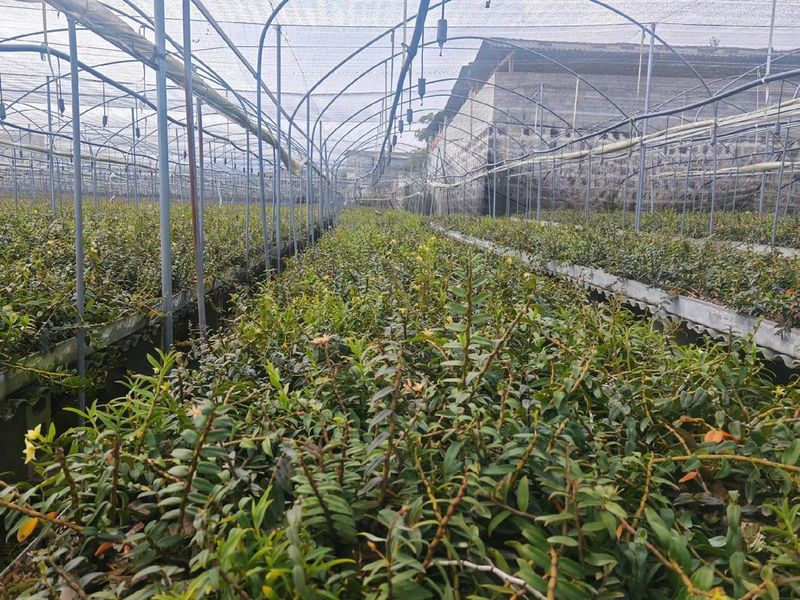
Blueberry planting techniques
Soil management: blueberry root systems are relatively shallow and thin, with no root hair, and therefore require soil laxity and good air conditioning。
Light tillage. From early spring to august, shallow tillage is available and after autumn it is not conducive to winterization. High-strength blueberries are cultivated on sandy soil, often at shallow tillage depths ranging from 5 to 10 cm, which are excessively harmful to root systems。

Weed law. Weeding is used in rows and herbicide is used in rows. Weeding also contributes to higher yields compared to shallow tillage and has the advantage of maintaining soil moisture and making it easier to operate mechanically。
Soil cover. Soil cover is widely applied in the production of blueberries, with multiple effects such as increasing soil organic matter, improving soil structure, regulating and maintaining soil moisture, reducing soil ph and controlling weeds. Covering the raspberry soil with 5 to 10 centimetres of sawdust, yield could increase by 30 per cent over three years and single fruit weight by 50 per cent. Leaves, straws and other crop straws can also be used, but not as effective as sawnouts。
Weeding. Weeding is very important in the management of blueberry gardens and can be more than doubled in production. Chemical herbicides are widely used in blueberry production. This is due to the high cost of manual weeding and the vulnerability of root systems, in particular the swarms of blueberries, which, as a result of the staggering of the roots, have become part of the whole orchard a few years later and are not capable of artificial weeding. The herbicides commonly used in blueberry gardens are dichlorvos, simazin, chlorbenzo-amino, 2. 6 dichlorobenzene, glycol, paraquat, etc。
The blueberry fertilizer principle
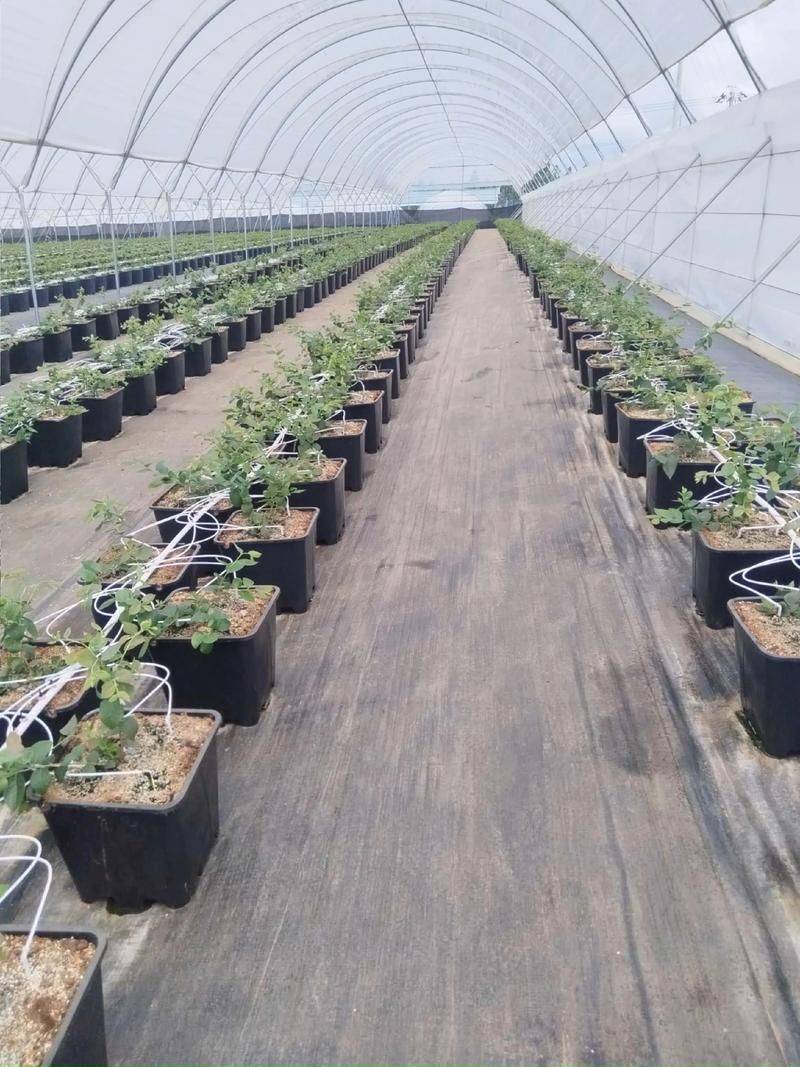
The type of fertilizer. Potassium nitrous phosphorus is a better compound fertilizer than a single fertilizer; the ratio of nitrogen, phosphorus and potassium fertilizer is 1:1 appropriate; nitrogen fertilizers, such as ammonium sulphate, are not suitable for nitrogen; and blueberries are chlorine-sensitive and do not select chlorine fertilizers such as ammonium chloride and potassium chloride。
Fertilisation methods and periods. High bushes and rabbit-eye blueberries can be applied in ditches, with depths ranging from 10 to 15 centimetres; the short bush blueberries form a series of gardens and are mainly distributed. Fertilisation takes place before early spring buds and can also be repeated once during berries recommence。
Fertilizers. Excessive fertilization is highly susceptible to damage to the blueberries and even to total death, and therefore the determination of fertilization is very careful, depending on soil fertility and the nutritional status of the tree。
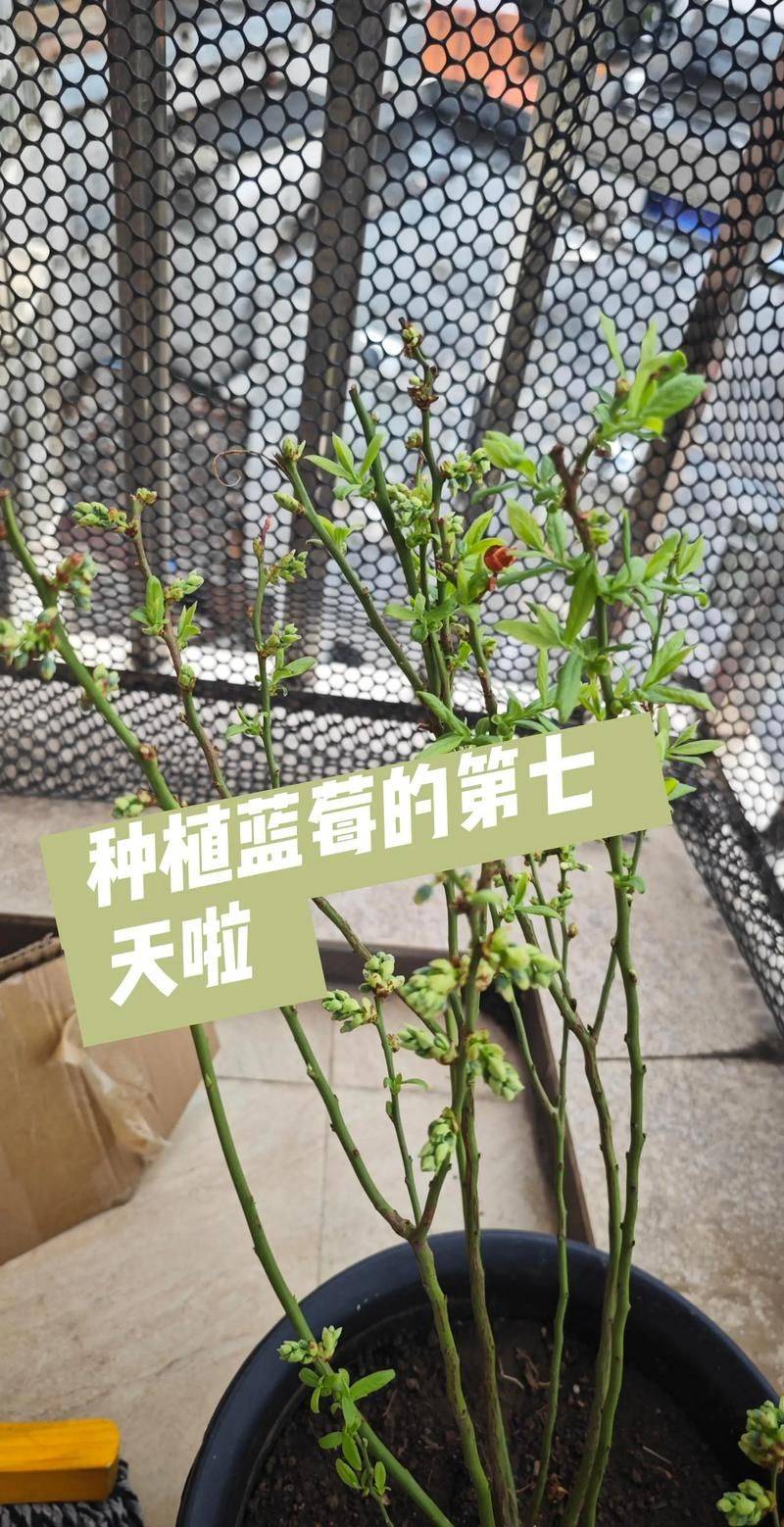
The blueberry roots are thinly distributed, wet and necessary for timely water. Blueberry irrigation requires attention to water sources and quality, deep well water generally has a high ph value and high sodium and calcium levels, long-term use can affect blueberry growth and production, and ph values can be increased by approximately 554. 5 ph in water irrigation, but the acid can be poured at approximately three intervals。
(according to the net)