Homeys, mushrooms are fresh for cooking, and they grow fresh mushrooms. It's not complicated to talk about mushrooms today. Just do it。
Selection and preparation. The variety of species selected, the variety of mushrooms, each has its own characteristics. The mushrooms are well nourished and productive; they smell and taste well; and they taste softly. If it's a rookie, it's a good choice. The choice of varieties requires the regular purchase of high-quality bacteria, with guaranteed quality。
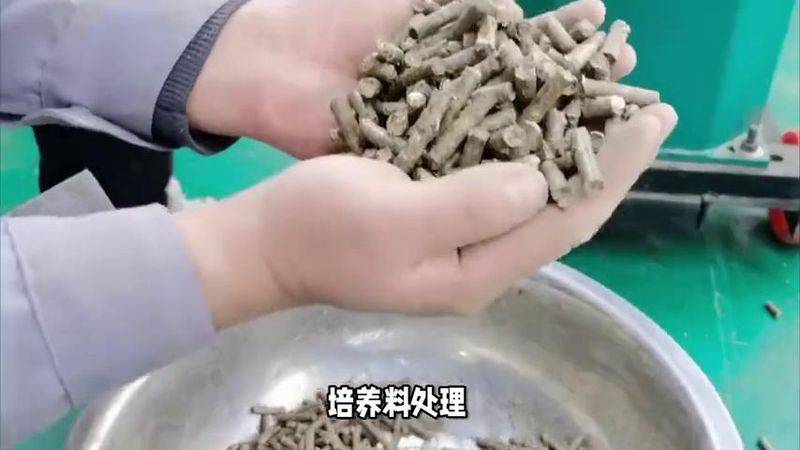
- material. There are some differences between mushrooms, but they usually have to do with straw, cow shit, wheat. It's about planting mushrooms, mainly with corn cores, and crushing corn cores into granulates of peanut size, which is the main ingredient for growing mushrooms。
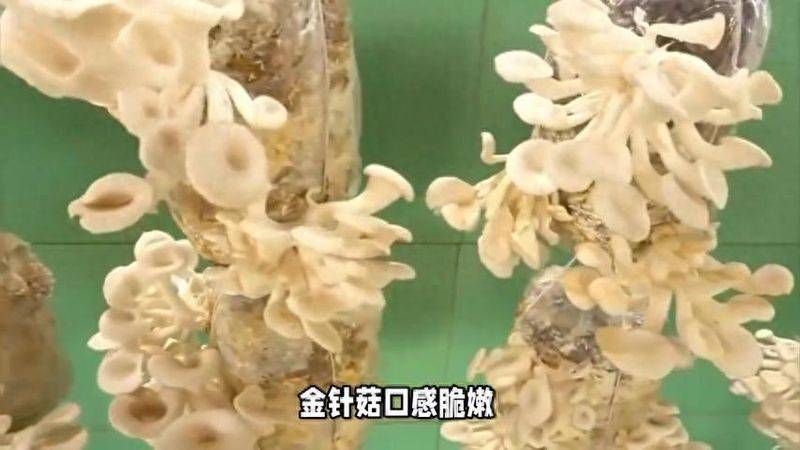
• preparing additional supplements, such as millet, lime, plaster. Wheat provides nutrients for mushroom growth, lime regulates acidity, and plaster improves the culture structure. It is prepared for treatment at a ratio of 100 pounds of corn cores, 20 pounds of wheat millet, 2 pounds of lime and 1 pound of plaster。
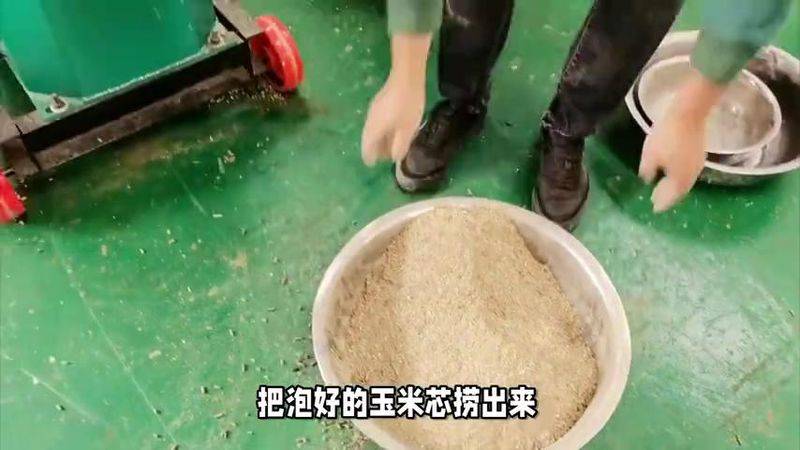
Wet. First, the corn core particles are bubbled in a large pool, so that it can suck up the water for one or two days. The bubbles are mixed in a few hours to ensure that every particle is wet. Once the corn core is squeezed with its hands, the water drops out, but it doesn't drop down。
Pile the fermentation. Pick out the well-boiled maize cores and mix them evenly with wheat curds, lime and plaster, and pile them into a ladder pile of 1. 2 metres high and 1. 5-2 metres wide, with any length. When stacked, it was covered with plastic membranes to keep it warm and fermented. In two to three days, the temperature in the pile rises to 60-70°c。
• it is time to roll over, to turn the outside into the middle, and the middle into the outside, so that all the materials ferment evenly. The piles are then covered with thin film, and a total of three to four stacks, each of which is gradually shorter. From three days, two days to the last day. After 10-15 days, the color of the culture becomes dark brown, and there is a faint scent, and it is fermented without smell and sour。
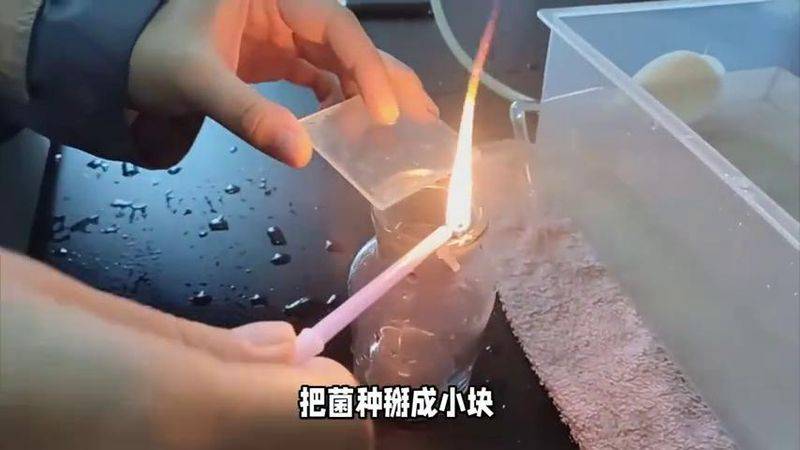
Inoculation in bags. Packed with plastic bags for the exclusive planting of mushrooms, usually polyethylene plastic bags, 20-25 cm wide and 40-50 cm long. Put fermented nutrients in a bag, side-stamped, two thirds of the bag. Then put the bag right in the mouth, but not too tight. Vaccination is carried out in a clean, sterile environment, where a clean room can be found where potassium permanganate and formaldehyde can be sterilized in a combination of fumigation in advance, so that the odor can be inoculated as soon as the fragrance is dispersed。
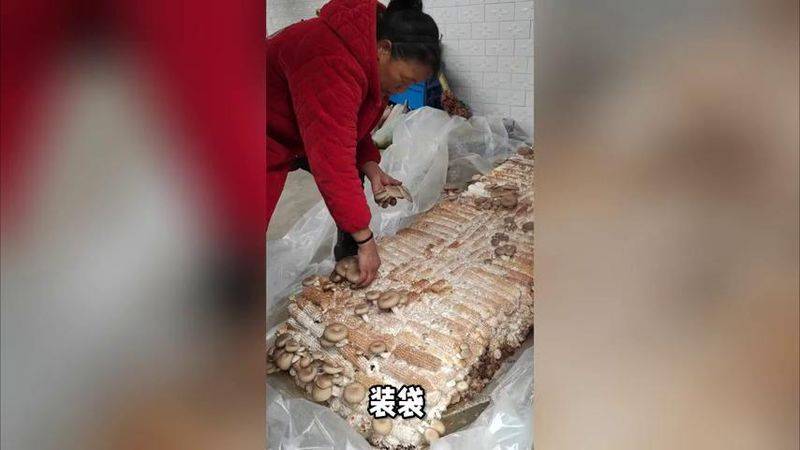
The bacteria are woven into small pieces, evenly placing holes in the bags, each with a single seed, and then duct tape to prevent the fungus from entering。
Factuary management: temperature control. Packed bags are placed in the fung chamber and temperature is the most appropriate at 20-25°c. If the temperature is higher than 30°c and the fungus is easily burned, the temperature is too low to grow slowly at less than 15°c. Temperature can be observed at any time with a thermometer in the fungic chamber, which cools when the temperature is high and warms when the temperature is low。
Humidity regulation: the air in the fungroom remains relatively moist at 60-70%, and the rapid evaporation of overdrived nutrients affects the growth of the fungus and makes it too wet to grow fungs. A wetometer can be placed in the fungic chamber, where water is sprayed on the ground if the humidity is not sufficient and ventilated when the humidity is high. 1 - 2 ventilations per day to the fungus chamber for 30 - 60 minutes each to ensure that indoor air is fresh. When venting, do not let the wind go straight to the bag to prevent excessive changes in temperature and humidity。
After 20-30 days of mycelium, the bags can be filled, and then the mushrooms can come out。
• mushroom management: mushrooms. When the fungus is packed with bags, the bag is moved out of the mushroom room, the temperature of the mushroom room is kept at 15-20°c, and the relative humidity of the air is increased to 85-95%, increasing the humidity of the previously sprayed water on the wall and on the ground, while providing some dispersive light stimulation. Every day, three to five hours of light, approximately three to five days of mushroom-letting in bags。
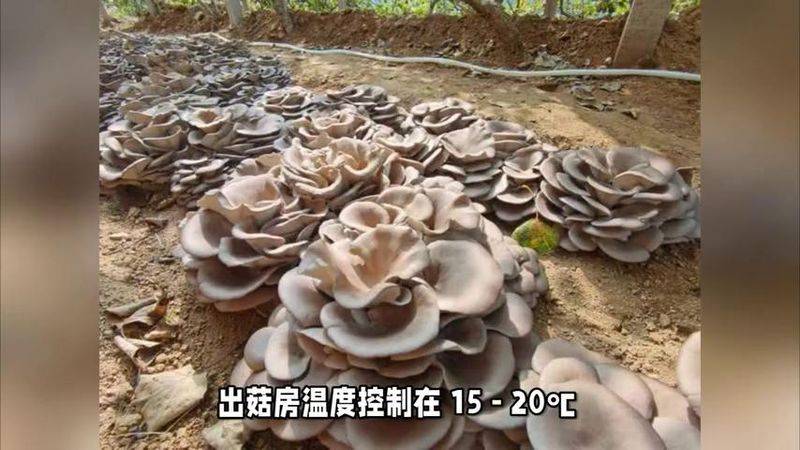
Mushrooms: when the mushroom bud grows, it is managed more carefully, the temperature is maintained at 15-20°c, the humidity is slightly reduced at about 85%, and ventilation takes two to three times a day for one to two hours, at which point no light can be fired directly. It is also important to be careful not to pour directly on mushrooms and to keep the air wet on the ground and on walls。
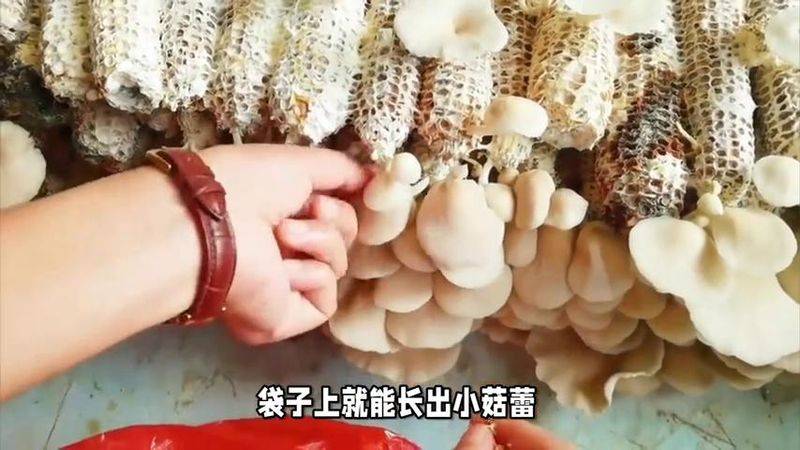
Harvest: the mushroom cover can be collected when it is fully extended without ejected spores. The mushrooms were picked with a light hand holding the bacterium handle. After one round, clean the bag surface and remove the remaining shroom root, then stop spraying for three to five days, restore the mycelium and then manage the mushrooms, and then grow the next mushroom, generally collecting 3 to 4。
My family, grow mushrooms in such a way as to ensure that you grow them with your heart, that you grow them big and good, that you eat them, and that your neighbor is proud