Potatoes that reproduce in their original species can be grown from detoxified seedlings or from non-sexual breeding systems by:
A single choice is made to select strong, non-degradable and typical varieties of plants during the flowering of potatoes, which typically pre-selected 500 to 1,000, marked and reviewed one to two times after childbirth. If a plant is found to be ill, it must be removed at any time. At harvest, a single collection of high-yield, disease-free and typical potato-shaped products is stored。
Plantation: 5-20 plants per single plant are selected as a strain, with a contrast of varieties every 5 or 10 plants. Repeated observations or combinations of plant and anti-serophylactic identification are carried out during childbirth, the strains of viruses and low-yielding strains are strictly eliminated, and high-yielding strains are selected。
(c) plantation: the selected strains can be compared with a comparison of 2 to 3 times, with a small area of 0. 01 acre. (b) strictly eliminate poor strains, opt for high-yield, well-growing, non-degenerative strains, which are mixed and used as seed for next season's primary nursery。
(a) precipient nurseries: the seedage period, the flowering period and the pre-harvest period shall be preceded by multiple uprootings of sick, small and poor plants, leaving behind the original seed. After a further expansion, supply agencies and teams grow good varieties of potato fields。
The process is followed by the continuous reproduction of the original and the good。
2. 3 maintenance of potato fields
In order to ensure the quality of the seeding of the potato, the field should be adapted to different and effective methods of seeding in order to improve the quality of the seeding。
In the north, early harvests take the form of spring and summer seeding is also available. The two main areas of china are winter, spring and morning breeding and planting (see appendix a). In the southern sub-prefectures, seeding is used for winters, springs and autumns, winters and winters, and three-season staggered alternatives may also be applied in accordance with local natural conditions and rotation systems (see appendix b). For the first or second seasons of the southwest, reference can be made to the pattern of retention used in the first and the first two central areas。
2. 4 requirements for seeding of potatoes
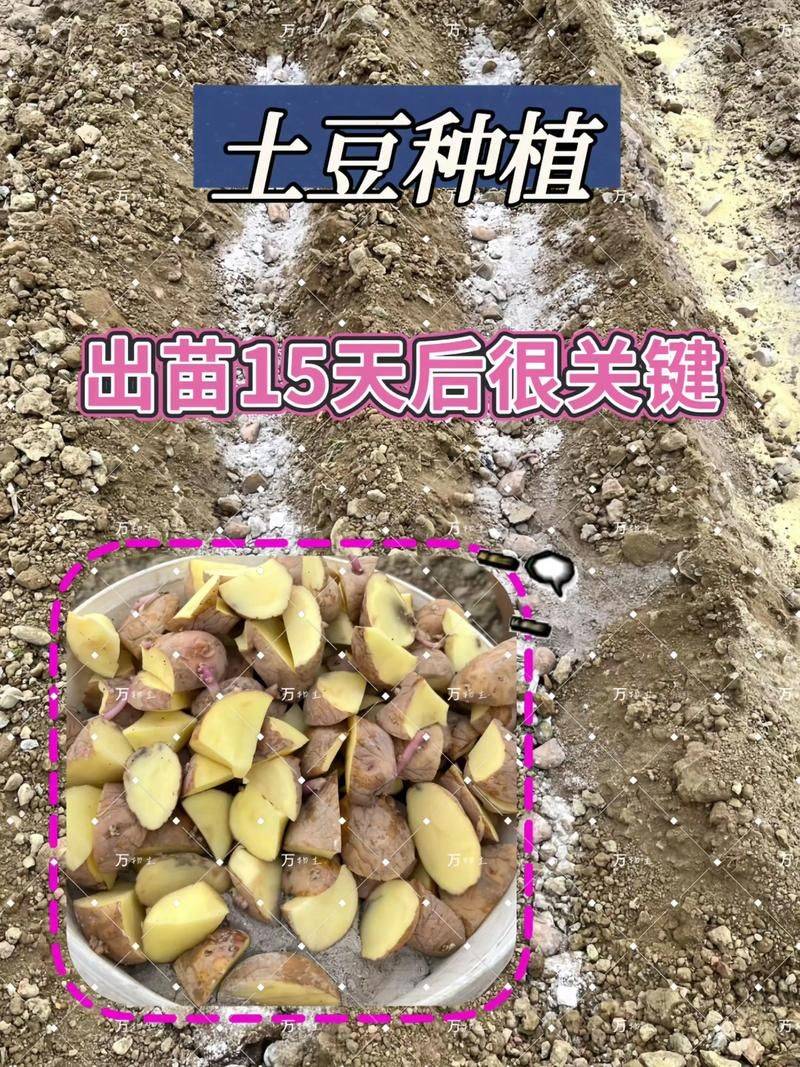
The cultivation of potato fields should be based on the physico-smuggling of small, physico-capable whole potatoes (about 5 grams of devenomized potatoes, or more than 50 grams of single-use seed). Potatoes must be grown without long and thin buds。
2. 5 field selection
Potato fields must be uprooted strictly. The field should be field-planted three times, the first should take place during the nursery period; the second should take place before the present poach (before the top of the frowning); and the third should take place before the harvest in combination. The field should be carried out twice during the current period and during the flowering period。
2. 6 density
In order to obtain a sufficient quantity of small whole potatoes, the plant density of the potato field should increase by 40 per cent to 100 per cent over the average production field。
2. 7 fertilisation
Potato fields should be based on organic fertilizers or co-opt the corresponding phosphorus, potassium fat, and should refrain from applying too much nitrogen fat on their own so as not to cause long. The application of fertilizers made from the residues of the eggplant plant and from the dead leaf is prohibited。
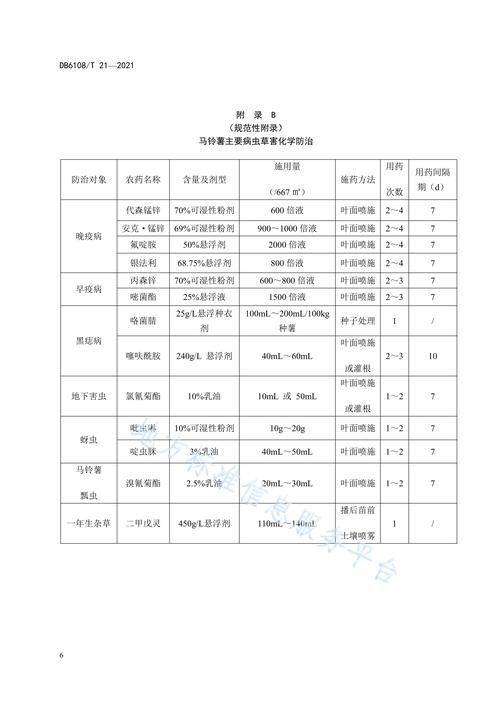
2. 8 prevention of diseases, pests
Potato fields should be protected from disease and pests in a timely and effective manner. The epidemic is chronic, and when the field centre strain is present, drugs such as bordeaux should be sprayed in a timely manner. Particular attention is paid to the prevention of aphids, the detection of aphids by means of a yellow vessel booby traps, the periodic spraying of the aphids in the event of the presence of 10 wings, or the placement of a yellow film on the field with oiled aphids, or the use of a silver-grey film to repel aphids. Attention should also be given to the prevention of other local diseases and pests, depending on the region。
2. 9 harvest
It must be harvested in due course, as required by the cultivation of potatoes. A week before the harvest, water was stopped, the upper leaves were cut off, and the fields were shipped out in time to reduce the disease of the tubers and accelerate the embolism of the young potatoes. The harvest should prevent mechanical damage and avoid freezing。
2. 10 potato storage
The seed is stored in different varieties to prevent mixing and to ensure the proper physical storage of the seed in order to reduce impurity, disease and decay and ensure the quality of the seed. To prevent rodents, reduce losses。
Storage methods: high temperatures in the south allow for ventilating, light-washing stands, with special attention to non-use and tobacco storage hide together in order to prevent the spread of moths; the northern zone can be hidden or buried, with attention to freezing, injury and fever, and requires the seeding of a potato to remain fresh, short and strong。
2. 11 packaging transport
Potatoes should be transported in containers such as baskets, boxes, bags, etc., and the packaging should be labelled (name of variety, quantity, grade of origin or good species, origin, visa). When packed with old containers, soap water or phosphate agents shall be used to disinfect them. Mechanical damage and mixing are avoided during transport. Watch out for rain, heat, freeze。
3. Rapid reproduction methods for potato varieties
In order to achieve the rapid productive effects of good seeds, which are widely distributed at a slow pace, the following simple and easy-to-use methods can be employed:
3. 1 cultivation
About a month before the normal seeding of potatoes, the startling healthy seeding of potatoes was placed in a large shed, greenhouse, seedbed or sandbox, keeping the temperature and humidity suitable for seeding. When the lumber grows in the sandbox, the sandbox is planted in a sun-rich place, and when it grows to 2 inches, it can be uprooted and planted in a potato breeding field. The seeding of seedlings remains in the original sandbox and continues with numerous seedlings, seedlings and plantings。
3. 2 divisiond reproduction
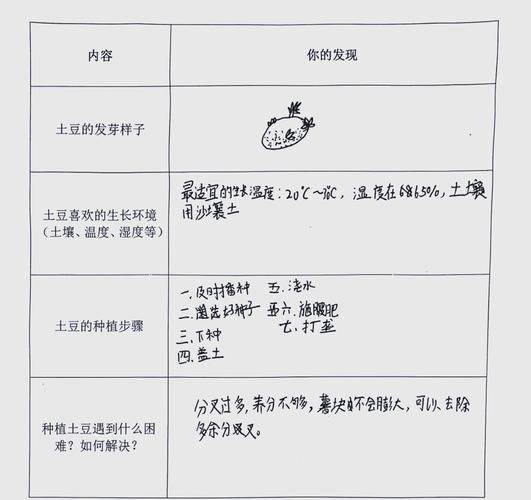
In the case of seeding of potatoes, a lasagna produces several plants, and when it grows to six to seven leaf blades, only two plants are kept in each lasagna, leaving the excess plant torn from the potato to the potato field。
3. 3 small sprout streptomy reproduction
Teenage plants that use detoxification potatoes and seedlings can be cut in an sterile condition and placed in a triangulation bottle with a simplified culture base. They can also be replaced by sterile fertile soil, which can expand reproduction under conditions suitable for temperature and humidity and can be repeated until planting。
In order to increase the survival rate of the field, pre-planting should cut off the small seedlings that are breeding without toxic potatoes and place them in a greenhouse or bed for a period of time in which they can be planted in daejeon if they grow to about 3 inches。
Appendices a. The sowing techniques of the primary two-part potato industry i'm not sure
The main way to sow potatoes in winter and spring and sun is to breed potatoes in central china. Good seedlings are produced during winter and spring cold seasons, using simple temperature protection equipment such as sunshields。
The sun is a cold bed made up of 1. 5 metres wide, 20-30 metres long and a wind barrier in the north, covering plastic film or grass。
Potato mackerel can be sowed from november to february of the following year, with harvests from late april to early may for breeding in the fall. The seeding of potatoes during the winter season, which is in the midst of a low-temperature season, is not conducive to the development of viruses and other pathogens, thus ensuring the quality of the seeding, which has been fully sedated by august, and which is now being used by producers with full seedling, seedling and increased production (see table below). In order to increase the fertility factor, the cassava needs to be sorely grown at a high rate of 0. 25 to 0. 3 feet per row of two radiums per plant. A small number of species have found roots in the sun, so pesticides should be sprayed in the soil before seeding。