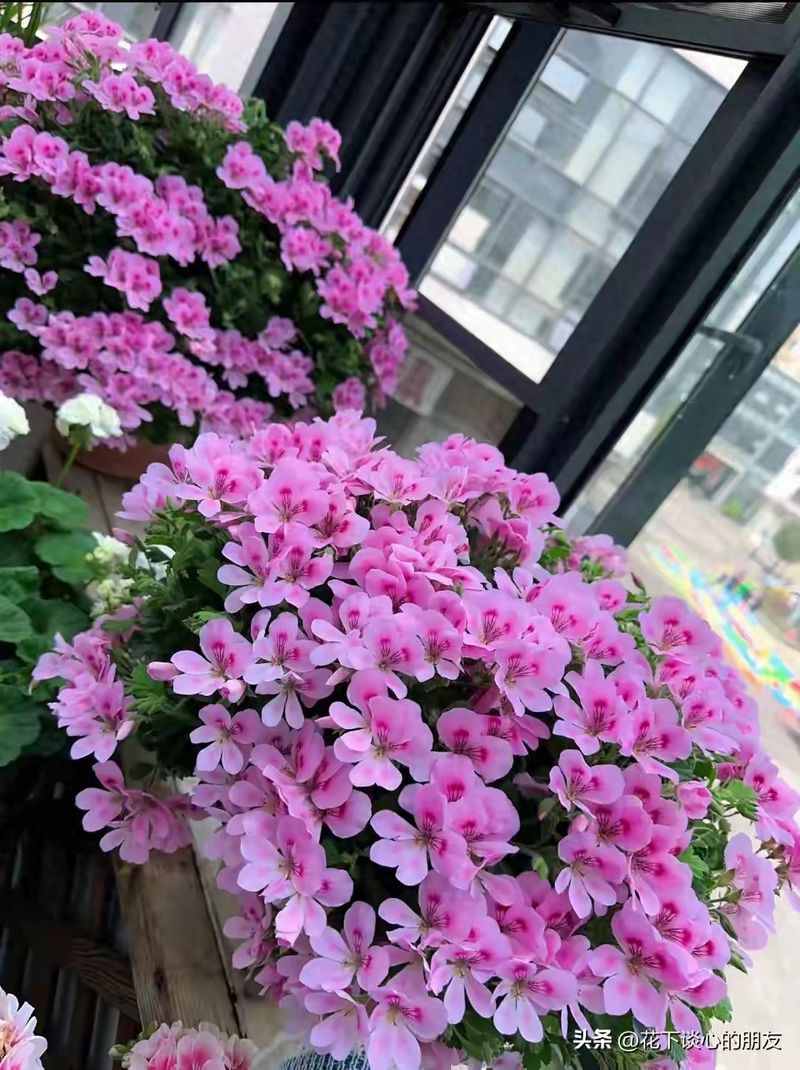
Weather conditions have an important impact on the cultivation of sun roses. For example, as a result of winter colds, long-term frosts, run-off rainfall, low temperatures and inadequate sunlight. Growing medium-term heavy rain. Sunshine's not enough. Inadequate temperatures can lead to lower quality. Growing medium-term heavy rain. Sunshine's not enough. Inadequate temperatures can lead to lower quality and disease, as well as various physical disorders, and you can see the tremendous impact of weather on the cultivation of sun roses. What temperature does it take to grow roses in the sun? What does the temperature have to do with the growth of the sun roses? What's the appropriate temperature for the sun roses to grow
What temperature does it take to grow roses in the sun? What's the appropriate temperature for the sun roses to grow
Sunshine rose seedlings grow in response to temperature requirements。
The growing season of sun roses is dominated by local heat conditions, and the length of the growing season can be expressed in the early, final and lasting days of each stage of fertility. During this period, temperature accumulation is an important indicator for determining the heat resources for the growth of sun roses. Sunshine roses are an advantage in growing the hot resources of grapes in the south of china, so grape branches and vines do not need to be buried in winter to prevent cold. This leads to a series of planting techniques that are different from those of old communities in the north and should have a complete planting technique suitable for the south. An example of this is the technology of early abundance of sun-sun rose seedlings, which is hard to prevent cold and soil harvesting. However, the raisin cultivation of the southern giants is still affected by a variety of temperature conditions, in particular field cultivation. Now look at the relationship between these barriers and temperature。
What temperature does it take to grow roses in the sun? What about the right temperature for the sun roses
1. Temperature requirements for sunshine rose seedlings during hibernation。
Modest temperatures (about o°c) play an important role in ending natural hibernation. However, freezing (sleep) and bacterial root cancers occur at hypothermia (up to -10°c) (especially in some areas where cold tides and march night frost may occur more often when the grapes are naturally dormant, and drying is more harmful if winter snow is low)。
2. Temperature requirements for the early birth of sun-sun roses。
The main problem from gerbil to flowering is the low-temperature hazard and the direct low-temperature hazard is the night cream. Grapes, including new buds, have a significant impact on yields and quality. It is not safe to plant grapes in low-lying areas where night-time radiation cools heavily. In the early years of childbearing, the risk of frost is higher in the years in which high temperatures pre-emerge。
At low temperatures during pollen formation and embryo formation, even at °c, reproductive organ abnormalities are the cause of the flowering fruit. Sunshine roses have fallen fruit, which is more affected by the continued cold in mid-may。
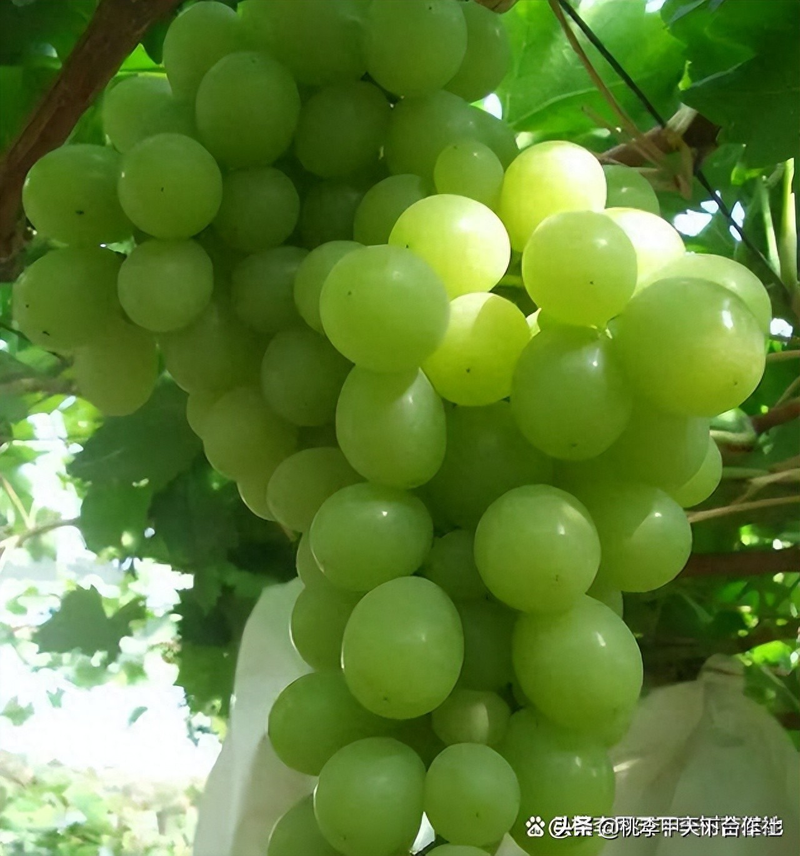
3. Temperature requirements for the flowering of sun roses。
The low temperature of the flowering season of the sun roses prevents fertilization and intensity. The upper part (early flowering) of the ear of the flowers is poor, resulting in a loose ear. Especially before the blooms, cold temperatures continued, the sun was inadequate and the rain was worse. Although the plume of the giant american seed has strong blood ties, its pollen sprouts are still the same as european seeds, requiring high temperatures (above 25°c), but the early flowering results in a high rate of low-temperature victimization. At the same time, the low temperature of the flowering period will cause the crown to fall, which will also affect pollination。
Sunshine roses range from flowering to ripening for temperature。
The temperature of maturity accumulates from the flower to the daily average temperature of the fruit. The great peaks are generally considered to be 2,300°c (approximately 90 days), and the yangtze river basin and its south are not a problem. In june, during the may rainy season, it would be desirable to obtain the full required temperature in july and august. In cold areas, if such temperatures were to be obtained in mid-september, they could be considered to be cultivated。
However, there are problems of colour in warm areas. Greenhouse cultivation may have matured before high temperatures reach it, and is therefore well coloured. Thus, if the relationship between the temperature and the pigments (facile) is observed, it can be seen that when the colour temperature is 30°c or more, the color is less produced and the colour difference is smaller. The color is best colored at 20-25°c。