More and more people now prefer to grow their food at home, whether it is urban closed balcony, open terrace, or rural homes, empty spaces. Home-grown vegetables are free of pesticides, fresh and ready to pick and eat, and can be used for leisure time and beautification of the environment. However, many newcomers have had their first attempts to encounter problems: seeds are not sprung, small seedlings are inverted, leaves are not productive, pests are infested, and fertilizers are not properly burned. This paper combines site planning, selection of varieties, planting of seedlings, day-to-day care, fertilization, seasonal matching of six plates, and sharing of the zero-basic family-planting package so that new hands can produce easy harvests。
There are two main scenarios for family gardening, the balconies and the courtyard, which vary widely in terms of space, light and ventilation, as well as selection and management. The three core elements of growing vegetables: light, soil, water fattening, control of these three points, can largely avoid 80% of the problem。
Site planning and packaging, soil preparation
1. Different site adaptation options
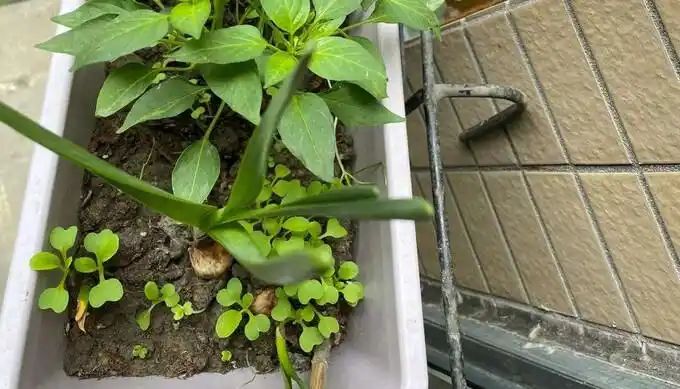
(c) on the balcony: preference is given to the south balcony, which is well-lighted and is the best place to grow the vegetables; on the east balcony, light is seen in the morning and suitable for the leaves and vegetables; on the west, the sun is sunken, so it needs to be covered; and on the north, the light is not enough to grow only herbal vegetables. Packagings are selected from the vegetable baskets, foam boxes, large plastic basins, wood case boxes, which shall be poached at the bottom and protected against the root of the water。
Minor yard/open garden: early clearing of stones, weeds, tilling of 20-30 cm of soil, planting in low-lying areas to facilitate drainage. Small areas can be divided into subdivisions to plant different vegetables, combining ventilation and pick-up。
2. Soil mix (key to success in planting)
It is not recommended that small areas be used directly and that the eggs be laid and stored easily. General nutrient earth formulation: 4 leaves/painted soil + 2 roted organic fertilizers + 2 river sand / pearl rock + 2 coconuts + 2 ablaze gas and water protection。
First-timers can buy a variety of vegetables directly and then open boxes. Before the old soil is reused, the two to three days of sterilisation will be used to deworm the new soil and organic fertilizer and to avoid soil sheeting and nutrient depletion。
Ii. Vegetable varieties preferred by new hands (good nutrition, growth, easy harvesting)
Based on the difficulty of planting and the growth cycle, the zero base gives priority to quick-leaved vegetables, which accumulate experience and then grow melon fruit。
1. First choice at entry (over 90 per cent, short cycle)
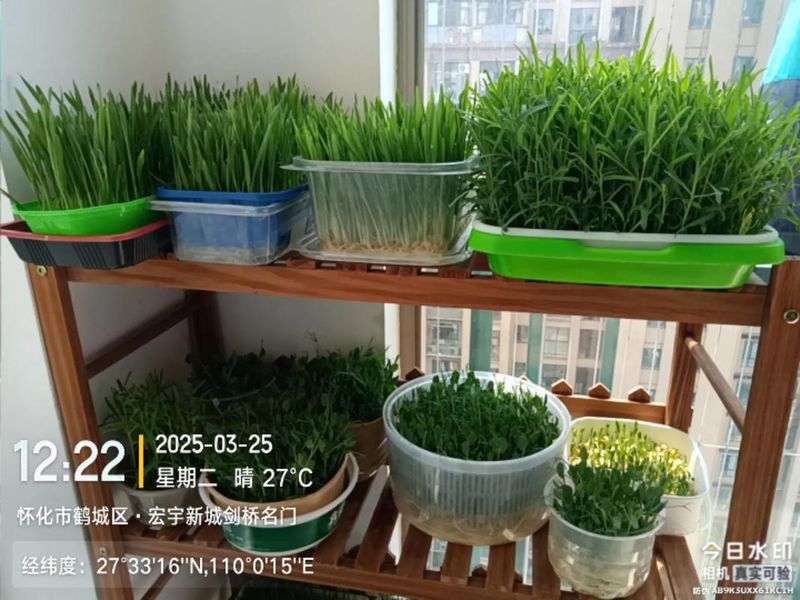
Pillard, barley, cabbage, cabbage, cabbage, onions, garlic. Such vegetables are obscurantist and fast growing, and can be harvested 20 to 40 days after planting, and beryllium and onions are grown for many years, with repeated harvests and a balcony and a small yard fit。
2. Progressive species (slightly managed, high yield)
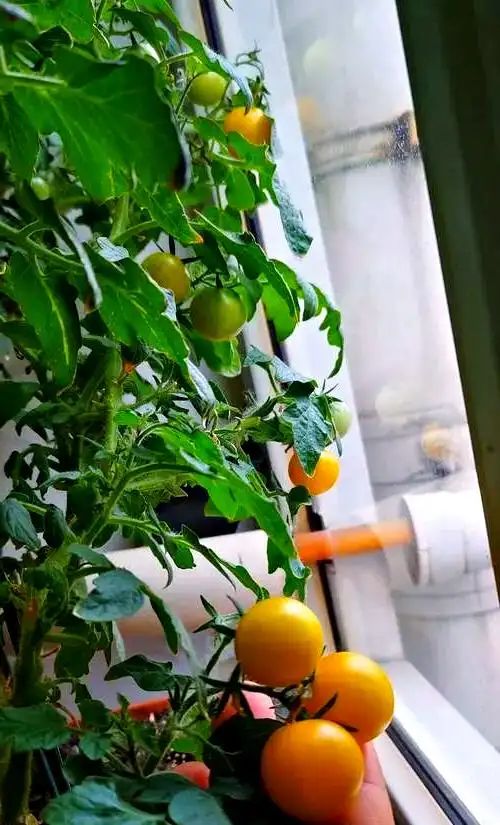
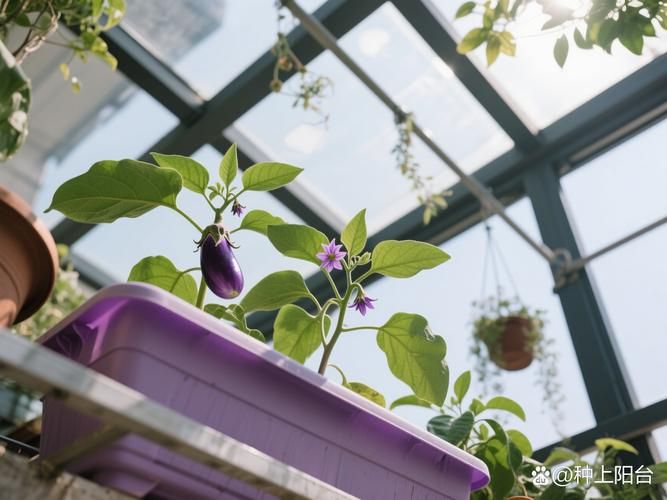
Cucumbers, tomatoes, peppers, eggplants, beans. The melons require sufficient light and a set of strings, with long-term results, family farming for visual and practical purposes, suitable for light-ready terraces and small gardens。
3. Distinguished specials
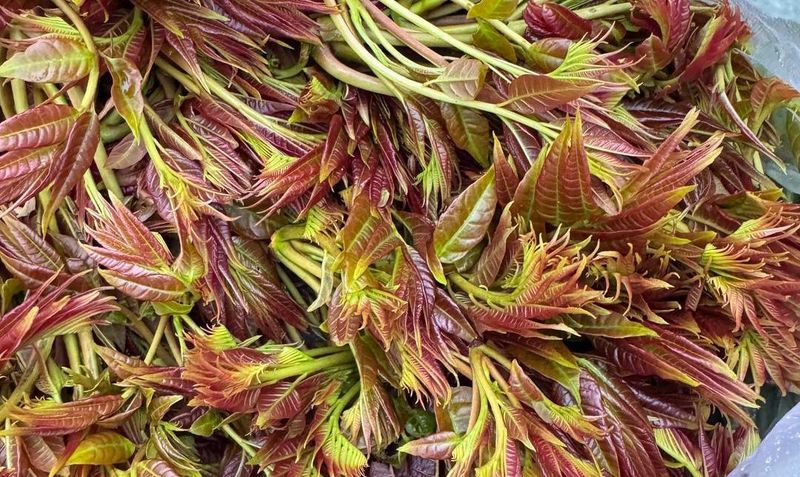
Custodials, celery, mussels, sweet potatoes, unique tastes, with few pests and diseases, are suitable for growers with a certain base。
The pit avoidance warns that newers should not start planting large vines such as watermelon, winter melon and pumpkin, with large, fat and difficult to manage, and that the balcony is largely unaffordable。
Iii. Sowning and breeding techniques to ensure proper seeding
1. Seeding time: following seasonal patterns, spring broadcasts (march-may) are suitable for the vast majority of vegetables, summer and autumn heat-resistant varieties, and winter preferences for cold leaves. The temperature of the indoor balcony is stable and can be sowed over four seasons。
2. Two modes of seeding
Scattered: for small seeds, such as cabbage, lettuce and onions, the seeds are spread evenly over the ground, covering 0. 5-1 cm of thin soil, so that water can be poured。
Caucasian seed of large particles, such as cucumbers, peppers and bean horns, with two to three seeds in each of the caves, and seedlings to remove the weak and keep one of the strongest。
3. Plumbing: sowing after seeding to keep the soil wet and not to flood. Preserve the wetting of the membrane before seeding, which is lifted immediately after seeding, ensures ventilation and prevents small seedlings from growing. The seedlings grow four to five saplings and undergo inter-sapling, sub-basin transfer, increasing the spacing of the plant。
Iv. Equipment of freedoms of drugs
Watering follows the dry-wetting principle: the surface soil is white, its fingers are dried up by two centimetres, and water is poured through until the bottom of the basin。
Differentiated management of different products: large volume of water required for leaves and vegetables and soil luminous maintenance; stable water supply for guacamole guacamole guacamole and end-life, with wet and dry and easy to drop laces and fibrous fruit; and more drought-resistant cauliflowers and onions, which cut off the soil for long periods。
Timing: during the summer, water is chosen in the morning or in the evening in order to avoid high noon temperatures; during the winter, high temperatures are watered to reduce the temperature differential irritation. In the rain, open-air dishes are used in a timely manner to keep the water out of the water。
V. Scientific fertilisation, employment and production high
Home-grown vegetables prioritize the use of consumable organic fertilizers, are safe and taste-free, are suitable for indoor environments, reject raw manure and strong chemical fertilizers, and are prone to burning and alienating。
Bottom manure: before seeding/replanting, the soil is mixed with decomposition, chicken dung, pie fat, slowly releasing nutrients and laying the basis for growth。
2. Fertilizer recovery: the seedling season is dominated by thin fat, with a single application of thin fat water on 10-15 days; leaf-breeding is a long-term supplement to nitrogen fat and leaves are thick and green; guacamole flowering results are increased by phosphate fattening to promote flowering。
3. Homemade natural fertilizers (zero cost)
The fermentation of rice is diluted to supplement nitrogen fattening; the fermentation of fruit peels and vegetable leaves is fermented with nutrients; and the eggs' shells are crushed and buried in the soil to supplement calcium to prevent tomato corrosion. All home-made fertilizers must be fully fermented and direct use of the liquid is strictly prohibited。
Vi. Physico-verbal + disease prevention and prevention, with no pesticide used for family foods
Households grow in pursuit of green health, giving priority to physical pest control and minimizing the use of chemical pesticides。
Common pests and treatment
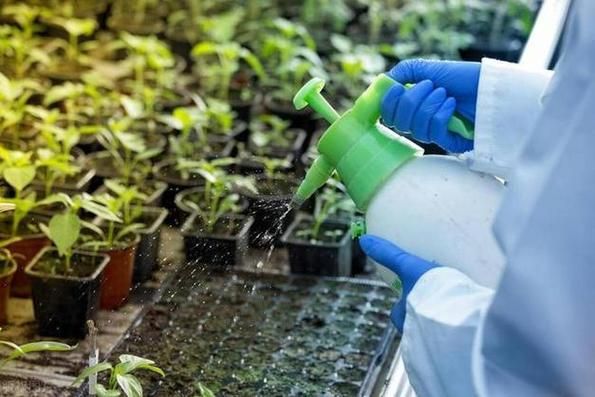
Aphids, fly bugs: the balcony hangs a sticky board and is lured with yellow sticky plates; leaves are sprayed with smoked water, garlic water, pepper water and natural deworming。
Vegetables, snails: manually captured, grass and lime scattered around the kitchen, preventing snails from climbing。
2. Disease prevention
Powder, frost: improve ventilation, plant not too dense, avoid long-term water accumulation of leaves; immediately remove the leaves and isolate the strain。
Root corruption: the core is water control + pine soil, which is difficult to reverse once the water is sprouts。
3. Daily prevention: regular clean-up of yellow leaves and leaves, maintenance of a clean planting environment and reduction of insect eggs from their source。
Vii. Planting for different seasons of cultivation with uninterrupted harvests throughout the year
Spring (march-may): the gold-growing season is one in which all kinds of cabbage, peppers, tomatoes, cucumbers, bean bean horns, etc. Can be planted。
Summer (june-august): hot and rainy, with hot vegetables such as emptied cabbage, mussels and acupunctures, guacamole for shade and storm rain。
Autumn (september-november): a cooler climate, suitable for lettuce, oatmeal, radish, cabbage and a better taste for vegetables in the autumn。
Winter (december-february): the outdoors are stopped and cold-resistant varieties, such as beryllows, garlic seedlings and cuisine, are planted in the balcony。
Viii. Hf question answers & hole avoidance summary
1. Small, small and tall (long): insufficient light + excessive water, immediately increased light, reduced water and adequate light。
2. Long leaves do not produce results: insufficient light for melon fruit, excessive nitrogen fattening, cessation of the application of nitrogen fattening, increased application of potassium phosphorus fertilizer, guaranteed light for more than six hours per day。
Leaf is yellow: the roots of the water, the lack of fat, the light is too strong, and adjustments are made one by one。
4. Frequent seedlings are not available: seeds are obsolete, the soil is too thick, the soil is watered, new seeds are replaced and the thickness of the land is controlled。
The family garden is based on patience and observation and does not have to pursue large areas and variety, starting with a few quick-leaved vegetables, mastering water fertilizers, light management and then expanding. Growing on its own, it can harvest fresh vegetables and experience the pleasure of farming, making use of idle spaces and making home life more fumes。