In the north of shandong state, there's a shining town of “tatos” - the border river town. This is not only the “luban country”, but also the “national potato country”. On this fertile soil, a small potato is written in a great article on rural renewal。
As the country's most important core potato-producing region, river towns has pioneered the “mutu-food” model, with an area of 130,000 acres, yielding 400,000 tons of high-quality potatoes annually, with a value of over 2 billion yuan in industrial chain production. Behind this set of “hard core” data is a series of “pyramids” in river towns: a model town in one village in the country, china's most distinctive agricultural town of ten great towns, and shandong province's agricultural powerhouse
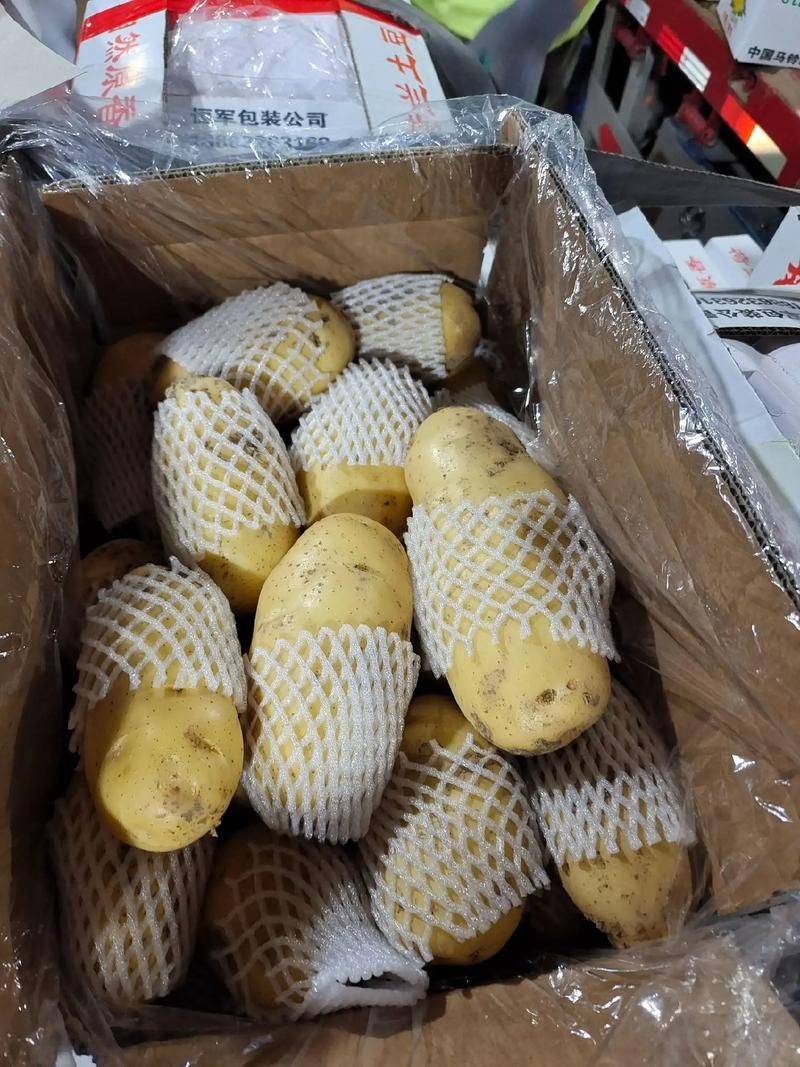
It is understood that the border town, with the technical support of the china agricultural institute and the shandong agricultural institute, has established the potato organization centre for the development of engineering and technical research, and has developed new varieties such as “teng yal”, no. 1, “teng yal”, “teng yal 2,” and has expanded over 50,000 acres annually, with 6,200 acres of detoxified potato base providing strong support for industrial development。
In addition, the border town has taken full advantage of the production and distribution of potatoes by nurturing 301 new agricultural operators, covering the entire chain of seeding, market transactions, cold chain logistics and technical services. Annual potato harvest, sorting, bagging, transport... The whole town is taking more than 50,000 temporary workers, with an increase of 10,000 per capita. Pumpkin, not only sell potatoes for money, but also work for pay, and the days are getting better."
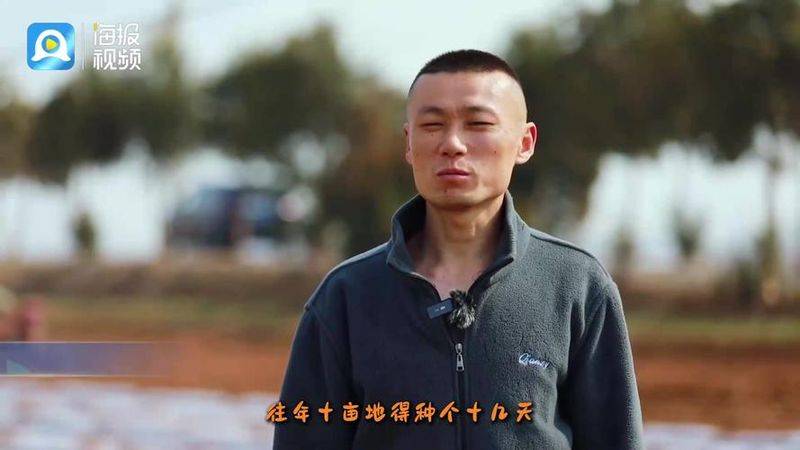
Today, river towns is accelerating the transformation of the potato industry towards precision processing, branding and technology-driven. This small potato, which not only has the farmers' backs covered, has paved a vastly wider village on the road to the revitalization of the “potato” light。