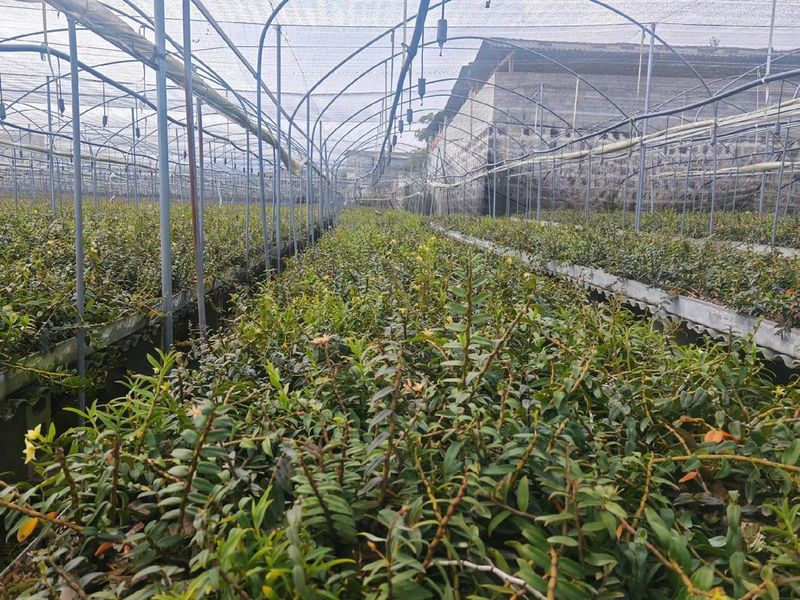
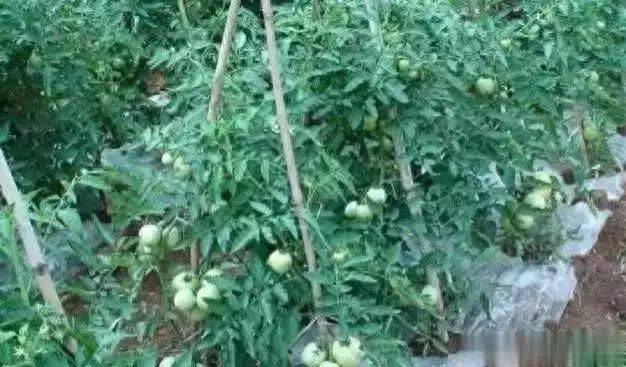
Vegetable cultivation is now a fairly common production technique, breaking traditional production season limits and achieving four seasons per year for all types of vegetables. In the case of tomatoes, only summer and autumn festivals were previously available and are now available throughout the year. However, tomatoes, which are on the market during the winter, suffer from poor sweetness and taste. In response, growers in long-term production practices have identified a range of effective measures to increase sweetness and improve taste。

New upgrade of the chinese version of the soybean version of ai
I. Enough light
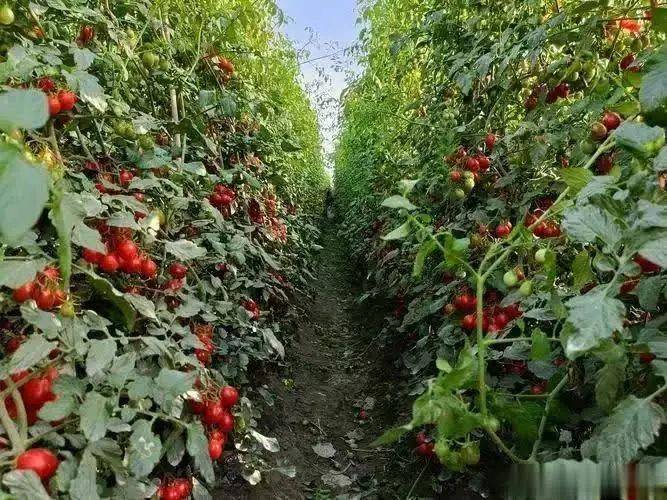
It is often heard that anti-season vegetables taste less well, the reason for which is the lack of light. All forms of growth depend on the sun, and light plays a vital role in plant growth and in the accumulation of sugar, which is the reason for the beauty of open tomatoes. During the growth of the shed tomatoes, the length of time required to extend the leaves for photoco-operation can increase the accumulation of sugar and improve the quality of the fruit. Ensuring adequate light is therefore a key initiative in the production of tomatoes. The following are the approaches: first, rational planting is essential, so as to enhance inter-plant ophthalmicity by avoiding inter-plant coverings; second, the upper film of the shed must be kept clean, and the sun must not be covered by dust and must be cleaned regularly; third, no trees, buildings, etc. Should be covered by sunlight; and fourth, the source of light can be increased manually at the appropriate time (e. G. In the case of dark days)。
Ii. Controlling temperature
According to the study, the suitable growth temperature for tomatoes is 20 - 28°c during the day, 15 - 18°c at night and 10 - 15°c at night. At flowering times, the suitable temperature is 20-30°c during the day and 15-20°c at night. In the outcome period, the appropriate temperature is 25 to 28°c during the day and 16 to 20°c at night. Thus, temperature is also a key factor influencing tomato growth and sugar accumulation. Within the appropriate temperature range, higher temperatures contribute to plant growth and sugar accumulation. As a result, tomatoes are grown with precise temperature control based on the characteristics of the species and the growth environment, with the temperature kept within 20-28 degrees during the day, and with a moderate increase in the temperature to increase the sugar content. It should be noted, however, that the temperature is not too high, otherwise it may have adverse effects on the normal growth and development of tomatoes. The vent cannot be completely opened at once when the wind cools, and the wind should be released from a small to a very slow time to prevent abated leaves from suddenly venting。
Iii. Rational fertilization
Fertilization is one of the major factors influencing plant growth and the accumulation of sugar. In the case of tomatoes, the nutrients required for tomatoes are supplemented by scientifically sound fertilization, a sufficient amount of platinum fertilizer, and a phased fertilisation, with targeted application of leaf fertilizers that increase the sugarity of tomatoes, with a view to achieving sweeter weight and promoting the accumulation of sugar. Fertilizers should be selected for organic fertilizers, such as compost, corroded condensed or commercial organic fertilizers, in order to increase the organic content of the soil, increase soil fertility and meet the nutrient demand for tomatoes。
Water reconciliation
In order to control soil moisture with precision and maintain the soil in a moist state, appropriate drought can help promote plant growth and the accumulation of fruit and sugar. In the tomato growing process, the soil is too damp to induce anaerobic respiration, which affects the absorption and use of nutrients in the root system, leading to poor plant growth and lower sugar content. Thus, when planting tomatoes, emphasis is placed on rational watering, which is mainly based on running horse water, following the principles of indigence and dampness. Maintenance of soil moisture is appropriate, thus contributing to the accumulation of sugar。
V. Receiving in time
Timely harvesting is also one of the key factors affecting tomato sweetness. When harvesting, a fully mature fruit is selected to avoid the premature harvest and to prevent the accumulation of sugar. Typically, the most appropriate harvest occurs when tomato maturity reaches about 85 per cent, when sugar content is higher and tastes better。
In addition to the above, there are other initiatives that can increase the sweetness of tomatoes, such as the selection of highly sweet varieties, the strengthening of field management in the process of planting, the preparation of foliage branches, and the rational use of growth regulators, thereby promoting sugar accumulation and improving taste。
In short, improving the sweetness of tomato fruit requires comprehensive measures covering such areas as species selection, light control, temperature regulation, and fertilizer management. Attention should also be paid to the timely harvesting and to ensuring the oral quality of tomatoes and sugar content。

Marine fishing, different lives. Are you ready
# shed cultivation # tomato sweetness # plant technology # vegetable cultivation