With the onset of winter, many vegetable farmers have begun to look for crops suitable for winter cultivation. As a popular vegetable, peppers have also received widespread attention in their planting techniques. In winter, with low temperatures, margarine cultivation has become an important option for chili growth. This paper will present techniques for the cultivation of hot peppers in winter sheds to help growers achieve better harvests。

I. Preparation for nursery
Feeding is a key component of pepper cultivation, and a good breeding base is a guarantee of later production. The selection of suitable substrates is required before seeding is prepared. Substrate soil should be well ventilated and water-preserving, and be rich in nutrients. A golden fermentant is an ideal homemade selection of a matrix that can provide animal and animal faeces, leaf-leaved barks, organic matter. The conversion of such soil into base soil provides a cheap base soil for vegetable growers。
Ii. Management of seedlings
During the nursery stage, the choice of a suitable nursery plate is required, generally based on 72 holes. (b) filling the base soil into the lair, so as to sow a seed in each den, then covering a thin layer of soil. After seeding, there is a need to maintain the proper humidity and temperature of the nursery environment in order to promote seed germinate and growth. When a seedling grows to a certain extent, it needs to be replanted。
Iii. Mobilization
Before planting, the soil needs to be ready for planting. Soils should be planted with good permeability and fertility while avoiding connectivity. At the time of planting, the seedlings need to be removed from the lacquer and the root system as complete as possible. It is then planted in a well-prepared nest, careful not to be too deep or too shallow. Post-plantation requires the timely watering of solid roots to promote the growth of seedlings。
Iv. Table management
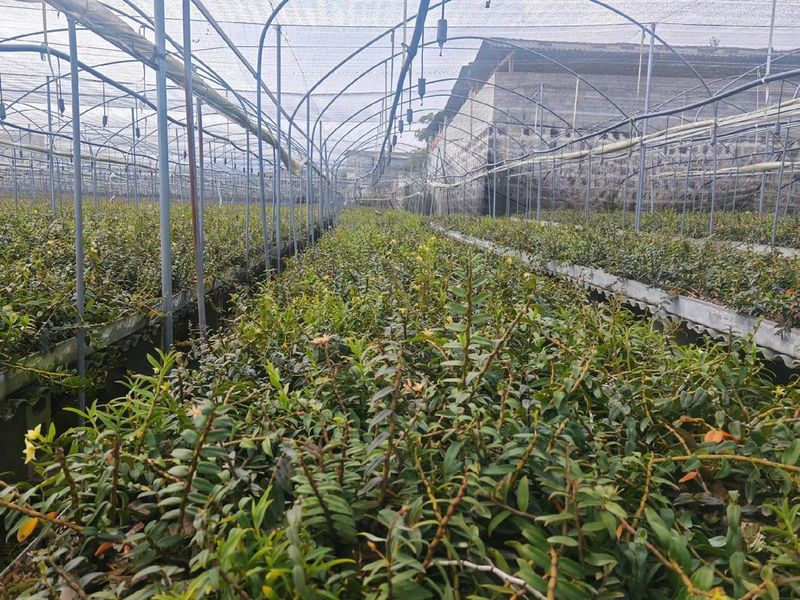
In winter, temperature and light in the sheds are key factors in management. During the day, there is a need to keep the temperature in the shed suitable to avoid excessive or low temperatures affecting the growth of peppers. At the same time, there is a need to maintain sufficient light in the shed in order to increase the efficiency of light cooperation. At night, temperature protection measures need to be strengthened to prevent the freezing of peppers at low temperatures。
V. Fertilizer management
Fertilizer management is an important part of chili growth. In watering, care needs to be taken to control the amount and frequency of water being poured and to avoid the effects of overwet or drying on peppers. In fertilizing, suitable fertilizer types and fertilization levels are selected to meet the nutrient requirements for pepper growth. At the same time, attention needs to be paid to fertilization methods and timing to avoid over- or under-fertilization of peppers。
Vi. Pest management
Pest management is an important part of pepper cultivation. In pest and disease control, integrated measures are needed, including agricultural, biological and chemical control. In chemical control, appropriate pesticide types and quantities need to be selected to avoid the impact of excessive or too little use on peppers. At the same time, attention needs to be paid to the timing and method of use of drugs in order to improve the effectiveness of the response。
Vii. Harvest management
When chili is grown to a certain extent, harvesting management is required. Prior to harvesting, there is a need to control timing and harvesting methods to avoid damage to peppers. Following harvesting, care needs to be taken to manage storage and transport to avoid deterioration or damage to peppers. At the same time, attention needs to be paid to the treatment of cleaning and processing chains in order to improve the quality and value added of peppers。
Overall, the winter hot pepper production technology requires attention to multiple stages of management and control. Better harvests and economic benefits are achieved through careful operation and management from nursery preparation to harvest management。