1. Fertilizing the whole area
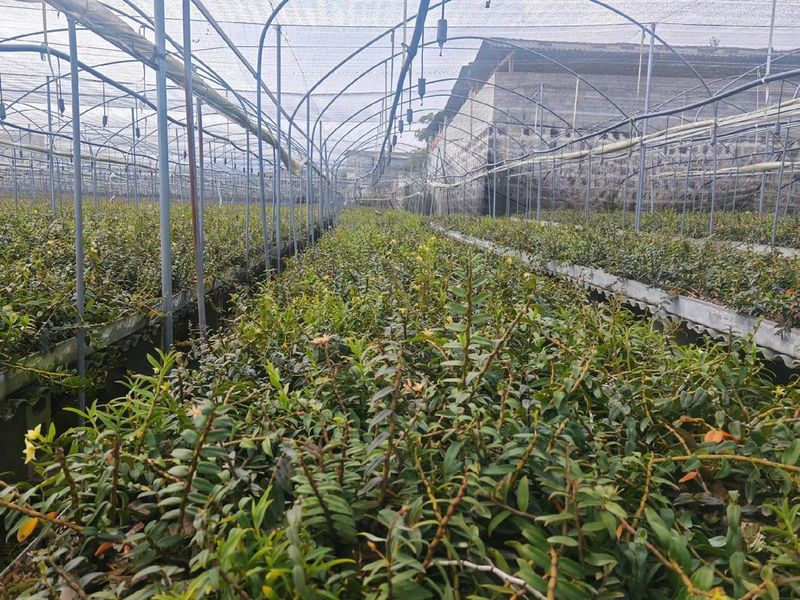
The risk tigers are characterized by glamorous, wet, heat-resistant and cold-resistant features, while the phoenix is extremely alive and adaptable to the environment. Cultivated land is generally chosen for areas that are pro-yang, fertile, lax, well drained and easily irrigated. The whole area is to be combined with base-based fertilizer, which is mainly based on organic fertilisation, mixing of base-based fertilizers with soil, re-shattering, gilling to about one metre to one metre to five metres wide, and high or flat, depending on the climate and terrain。
2. Cultivation
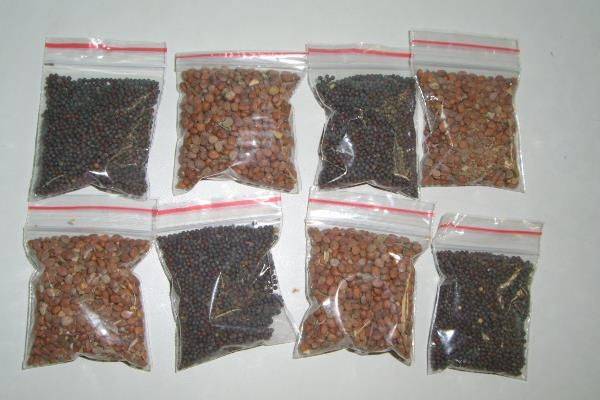
Phoenix can sow in spring and autumn. When seeding takes place, the temperature of the plantation is generally between 20 and 25 degrees and the soil is about 60 to 70 per cent wet, so the soil needs to be watered once before planting. When the soil is wet, seeds are sowed evenly at a distance of 30 cm between rows and covered with a thin earth cover, which is usually available about a week。
3. Field management
It's about 15 to 20 days after the seedlings come out, when the seedlings are usually 6 to 10 centimetres high, and we're going to make rational use of the seedlings. The average distance per plant is about 15 centimetres, each of which requires the retention of three seedlings. In parallel with the seedlings, we have to clean up the weeds in the fields and, in due course, to farm the pine fields, at least three times a year. When the seedling grows to about 35 centimetres, it is appropriate to remove the leaves from the lower end of the tuber, erase the sprouts, promote the growth of branches, and reasonably pursue fattening, mainly with pie-based fertilizers, thereby increasing the production of phoenix plums. By the time the phoenix blooms, the early buds will be removed, the plant will grow and fertilize every half month。
4. Prevention of insects
The phoenix is very resistant, very pests. However, in the case of high temperatures and humidity, pollinosis and foliage can also occur. We need treatments for cystium fungus filamentary powder and polymix humid powder. The second most important pest of the phoenix is the red moth, which mainly endangers the branches of the phoenix, preferably by artificial capture, so that the effects of the drug on the phoenix can be avoided and, of course, can be sprayed with low-toxic pyrethroid insecticides。