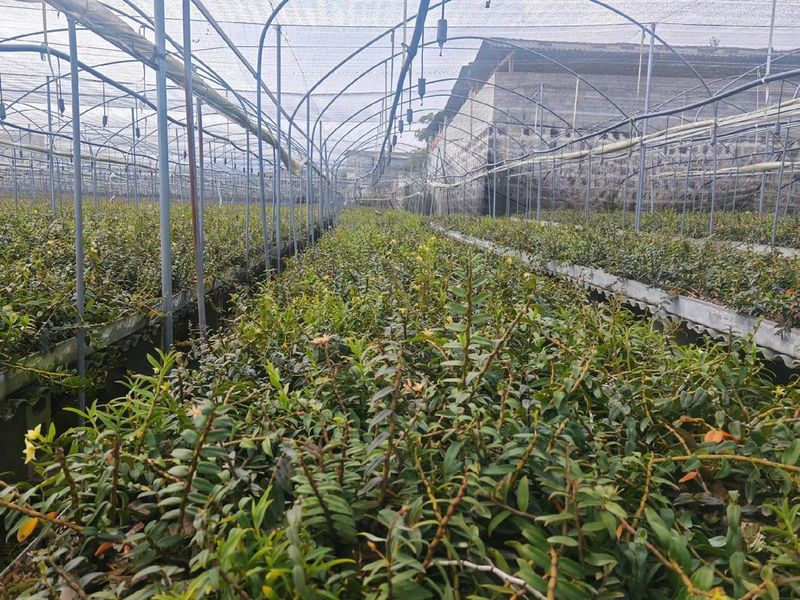
The phoenix, also known as glazing, is a multi-year grass-basin, which is often used as a year of cultivation. Warm and wet environment, resistant to drought and low temperatures. It is well divided, well spread, large flowers, about 4-5 centimetres in diameter, multi-flower, long-lived, suitable for potting and flowering。
Growth:
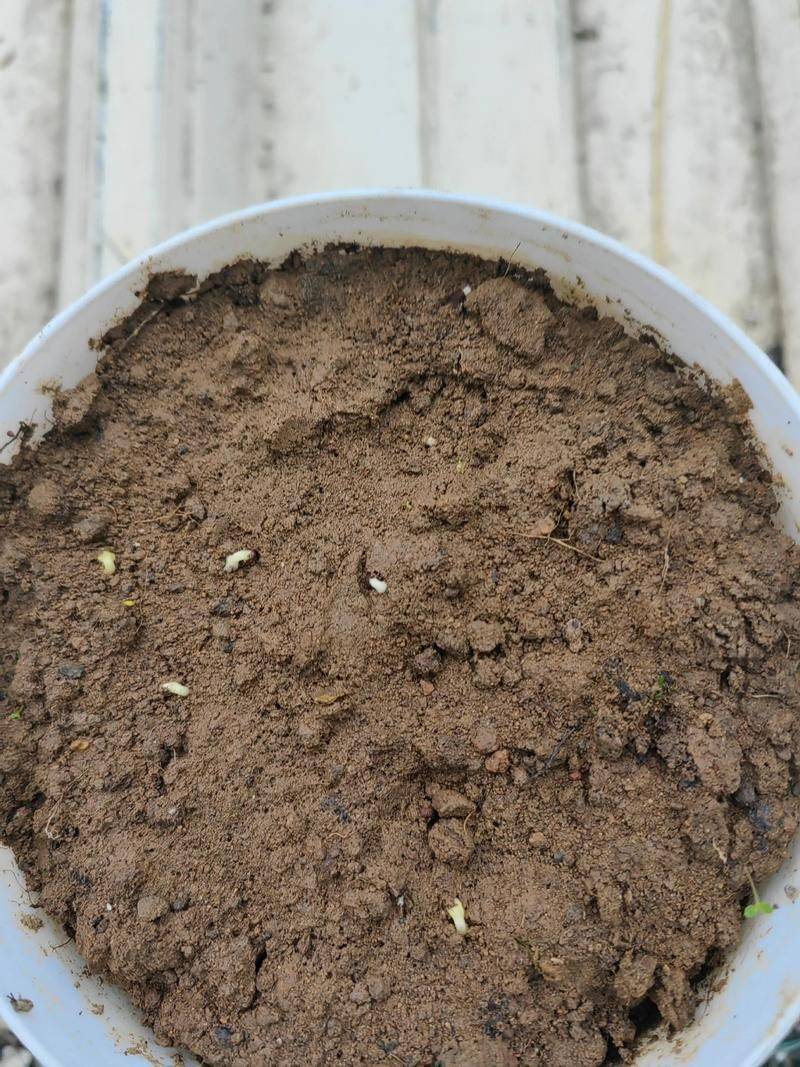
The flowering season is long and can be seen throughout the year in greenhouses under many climatic conditions. In the central and downstream parts of the yangtze river, due to high summer temperatures and the use of phoenix flowers for spring flowers, planting takes place mostly in winter. Seeds of phoenix flowers are estimated at 1700-2000 seed/g, and seed sprouts require some light. Breathing is 20-22°c and can occur for about 8-15 days. The seeding soil should be made from a defusing medium, made of peat, leeches, pearl rock at a ratio of 6. 02。
Growth:
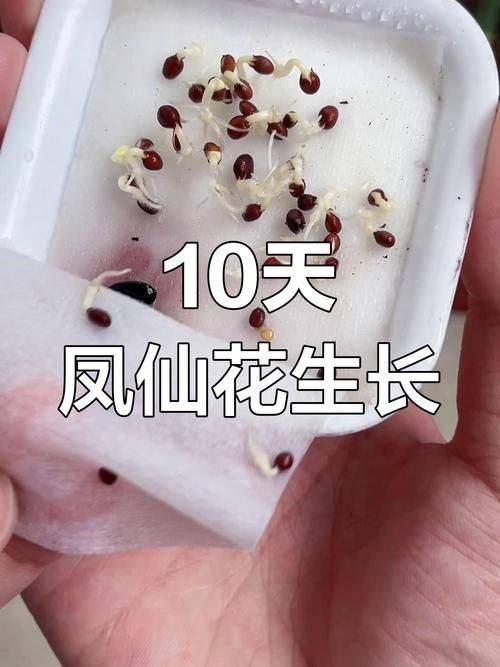
1. The seeding is followed by the presence of embryos approximately four to five days. This phase requires a high degree of humidity and requires that the medium be humid. As lumber requires light, it is recommended to cover a thin layer of neptite for wetting. It is not appropriate to fertilize and be careful to keep constant sprouts。
This phase requires a slight reduction in humidity so that the roots can be better stretched and “capture” successfully. The roots of the phoenix flower are not visible, and one to two cms can be seen later. The leaves spread and the first leaf appeared. At this point, a small amount of fertilization can be carried out with a 50 ppm water soluble fertilizer of 20-10-20, preferably combined with water。
3. The seedlings began to grow rapidly at this time, but it seemed that the phoenix flowers were growing slowly, so that the phase would be longer than other species. During this period, water soluble fertilizers of 70-100 ppm and 14-0-14 are applied alternately each week. This requires water control, combined with fertilization, to wet the dry intermedia. The growing environment also requires some spatial humidity, but temperatures need to be reduced to make growth easier. When the seedlings have 3-6 real leaves and the roots have appeared at the bottom of the cave, the phase ends。
4. By that time, the root system had become stronger, and the water should be controlled for seedling, ready for planting or sale. Ventilation should be strengthened to avoid seedlings。
Plantation/upload:
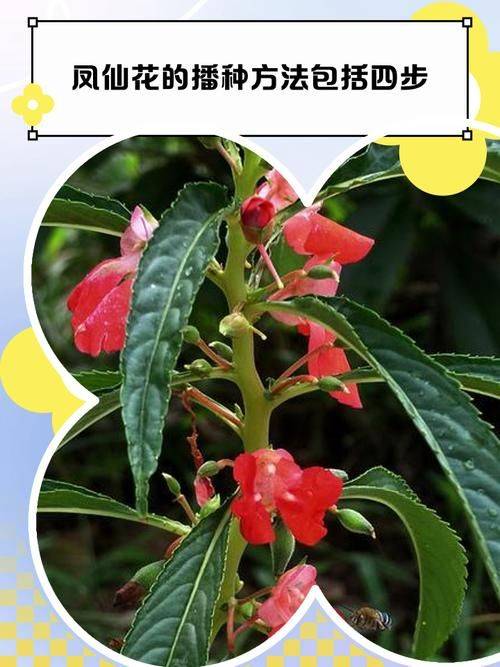
The pixie flower should be bred in a lair, otherwise its roots are slower to develop. At the time of planting, four to six real leaves were planted and roots formed. It is usually possible to go up or move to 12 cm of nutrients, which is in place once. The phoenix blossoms grow unsatisfied with strong light, especially in the summer, which can be planted under trees or hidden. Phenomenons are resistant to high and low temperatures, grow well between 15 and 25°c, and are vulnerable to high summer and winter cold plants. Plumbs are soft and quickly atrophy when water is scarce, and even plants planted under trees require additional water supply and fertilizer to avoid competition with the roots of trees. All phoenix species grow well in a fertile, humid environment and, of course, require regular application of some water soluble fertilizers. Fertilizers are applied once a week using 100 ppm-150 ppm water soluble fertilizers of 20-10-20 and 14-0-14. Fewer in summer and winter, with particular attention to halving concentrations。
Plantation management:
Phenomenons are easily conserved plants that do not need binds and trims in the formation of beautiful strains, nor do they need to move so often that they can form full strains and produce fresh and bright flowers. If it's bad, we can trim the plant, and it'll be full in six months
Disease control:
There are fewer pests, mainly in the summer and winter, vulnerable to asymptomosis, and in addition to increased ventilation, 100-100 times more liquid treatment is available. Aphids are also frequent, regularly observed and, when they occur, treated. During high summer temperatures, drying often produces yellow leaves that affect the strain shape。
Quality of the ward:
? When you leave the bed, the phoenix flower should be full and round, with 30% of its current flower and no medium from above. Www. Eastmone. Com