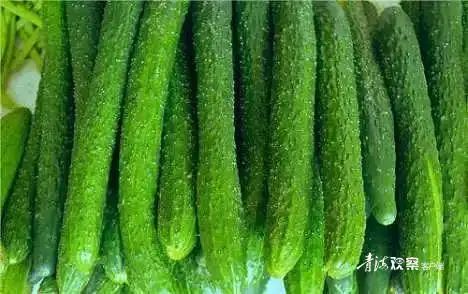
In summer, cucumbers are grown, and because of the high summer temperatures, cucumber field management needs to be kept up, and how can it be managed in such a way that cucumber production is high? The growers can summarize the following six points for you to learn and hope to help you grow。
The planting of summer cucumbers, which tend to take place in the early summer, and which, due to high temperatures at the beginning of the summer, begin to grow when the two leaves are even, promoting the healthy growth of the young。
(1) timely plug-in
The plant is 20-25 cm tall when it grows to 7-8 leafs, and is to be plugged in in time. At this time, when the cucumbers bear the greatest horns of the sun and the most intense light, the plugs recommend the placement of fences, which are so strong that, on the one hand, they encounter heavy rains and wind so that they do not suffer undue losses, and, on the other hand, they cover the sun and reduce the intensity of the light。
(2) strengthening fertilizer management
Owing to high summer temperatures, high water volatilization of surface soils, high evaporation of leaves, and the inappropriate length of incubation, combined with the fast growth of the melon, small water should be poured in time to keep the soil dry and wet, as appropriate. Watering times are chosen in the morning or evening, and wells are best served to reduce the temperature of the earth, promote root system development and avoid the effects of high ground temperature and stagnate the root system。
The increase in the number of discharges has been accompanied by a corresponding increase in the use of fertilizers to supplement nutritional deficiencies. Quick-activated nitrogen fertilizer should be pursued during the summer and organic fertilizers, especially human urine, should not be applied in order to cause ammonia damage. The summer rains are heavy and weed-prone, and attention is paid to the removal of grass and the timely drainage of water。
(3) the whole chicken
The plant grows faster than the chicken. The summer-breeding varieties usually have chickens, but the base is not left, and the upper-middle chickens can leave more leaves and more hearts, as appropriate, for the growth of the pickles. The timely removal of the next leaf, free of excessive nutrient consumption, also facilitates ventilation。
(4) weeding, sunshield, cooling
In the summer or summer season, when the heat arrives, the leaves are generally sealed off, so that the ground is not naked and a small, shaded, warmer climate is created. If planting is too late, the ground is naked and the temperature is too high to be conducive to growth. To avoid overheated ground temperatures, straws and white wheat straws can be laid in the plasters (83 for reflectors to reduce surface radiation heat). Water wells are poured after the hot rain or at 3-5 p. M. On a sunny day, 5-7 degrees below the temperature of 10 cm. It also has the effect of reducing the temperature of the ground。
(5) crouching, safe
Cucumber cultivation in the summer season is characterized by intermittent crouching. Pre-campling, which promotes deep-leaf sprouts, prepares for early harvest periods. Improved management of fatty water when pickers begin, promotion of melons, control of the heat when it comes. On the basis of the previous frequent cultivation, deep-dry farming is carried out with the intention of cutting off a portion of the surface of the soil and promoting new rooting, with lower temperatures below the surface of the soil contributing to the expansion of the roots。
At this point, there are limits to the growth of the fruit, which is temporarily reduced in nutrients, followed by summer foliage, which can easily be dried out, and a short gap in fruit harvesting. After a slow tillage, the lower yellow and sick leaves are removed and ventilation is promoted. They were later transferred to shallow plowing fields and weeds were uprooted. On this basis, the birth of the fruit is boosted and the fat is seized in time. The initial pursuit of 20 kilograms of ammonium phosphate per acre, the spilling of 1,000 kilograms of fully fertilized human urine after the heat has passed, or the spreading of 50 kilograms of soybean bread, and the subsequent shallow watering of the soaks can facilitate growth beyond the summer and quickly form a second peak in growth and harvest. Afterward, the pursuit of potassium nitrous phosphorus compound fertilizer is followed every 15 days, usually by approximately 15 kg per acre, in an appropriate quantity, about 15 days before the withdrawal, and the pursuit of fat is stopped。
(6) timely collection
After the early summer seeding, the temperature rose and the seedlings grew fast. It's hot and the fruits are growing fast. Some 40 days after seeding, harvests can be collected in good time, usually once in a few days, or even daily, to ensure that the fruits are fresh and growing。
The hottest areas were planted in the summer season as described earlier in the spring. The number of harvests during summer should also increase. After late summer and early autumn, the temperature gradually decreased and the interval between harvests increased accordingly. In any case, the fall should be avoided in a timely manner, depending on the cucumber growth rate and the strength of the plant。