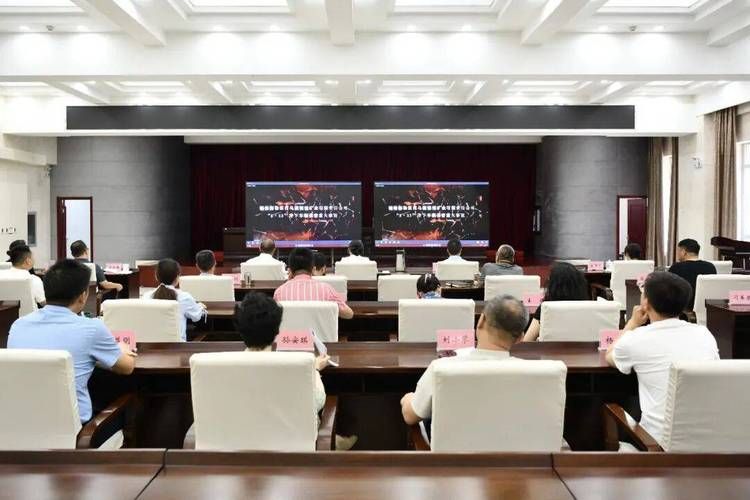
In order to raise awareness of the health management of chronically ill people in the community and to help them to acquire knowledge of the protection of slow-diseased people during the season shift, on 18 march, the tegou social work service centre in fukuo city, the centre for home-based elderly care in the upper jugo community, the faculty of health management of fujian medical university, conducted a health seminar on “how to make chronically ill people safe through the winter and summer - the season alternate health management” in the kinzhou community。
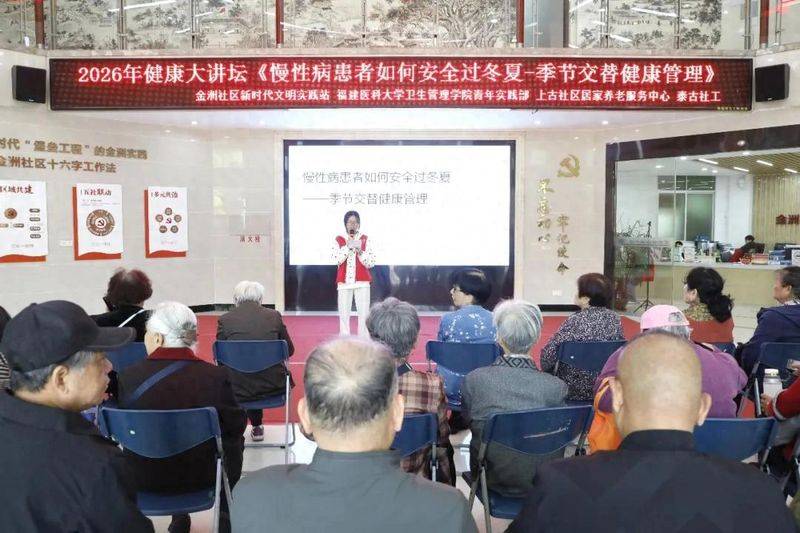
The health lecture featured volunteers from higher education institutions, who, in conjunction with previous professional studies and community studies, adapted the characteristics of a large group of older people and a concentration of chronically ill people in the community, giving detailed lectures from three core sections in a language that is easy to understand. The volunteers first provided the population with a clear and comprehensive picture of the diseases they suffer, by defining, developing and monitoring the core elements of the chronic diseases common in the community, such as hypertension, diabetes, coronary heart disease and osteoporosis; then focused on analysing the effects of temperature fluctuations on the health of chronically ill people during seasonal alternations, explaining in detail the reasons why temperature fluctuations can cause blood pressure instability, blood sugar abnormalities, cardiovascular disease outbreaks, etc., in order to make the population fully aware of the importance of slow disease protection during the season。
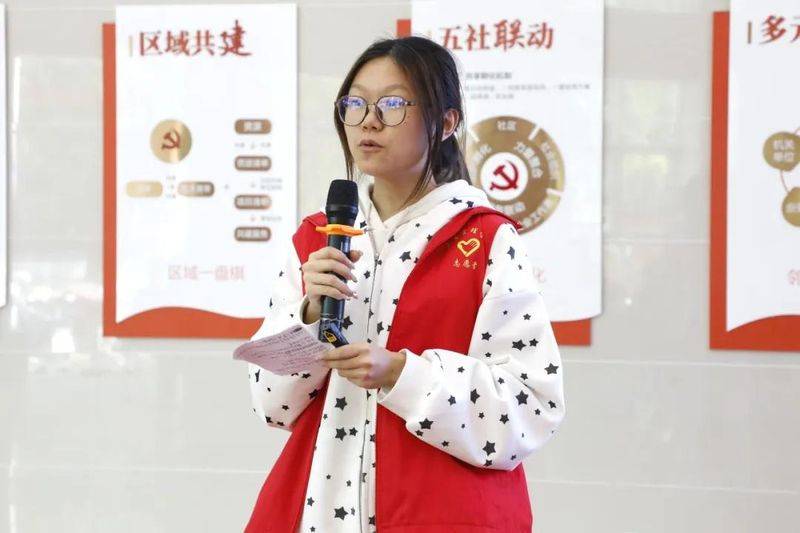
In response to the question of how to effectively prevent and respond to slow-disease outbreaks, which is of greatest concern to the population, student volunteers, combining their expertise and practical life skills, offer specific operational protection programmes: on a daily basis, it is recommended to increase and reduce clothing in a timely manner based on changes in temperature, to ensure adequate sleep and avoid overwork; to regulate diets, emphasizing the principle of low salt, low fat and low sugar diets, and to eat more fresh vegetables and vegetables and regular meals; to exercise sports, to guide residents in their choice of mild sports such as walking, tai chi, to avoid early and late cold hours and to do their utmost; to use medicines and surveillance, to repeatedly remind residents to comply with their orders to take medicines on time, not to increase or reduce their quantities without permission, to regularly monitor indicators such as blood pressure, blood sugar, etc., and to be ill-treated in a timely manner。
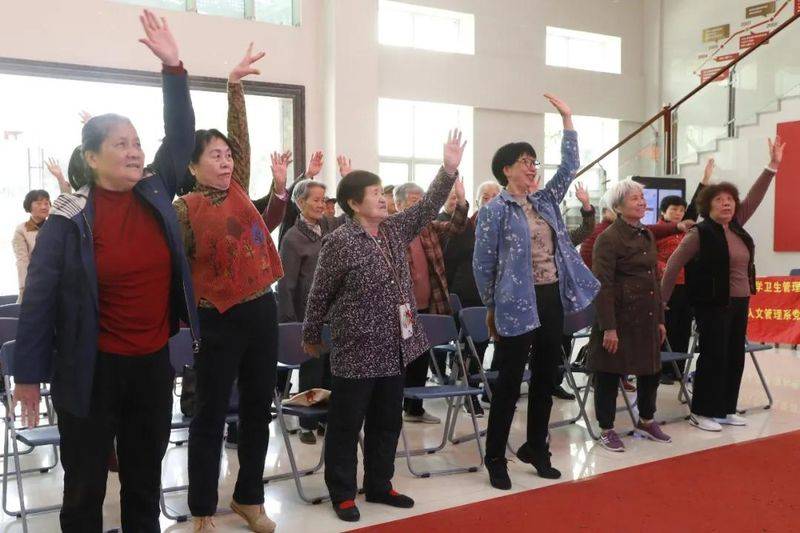
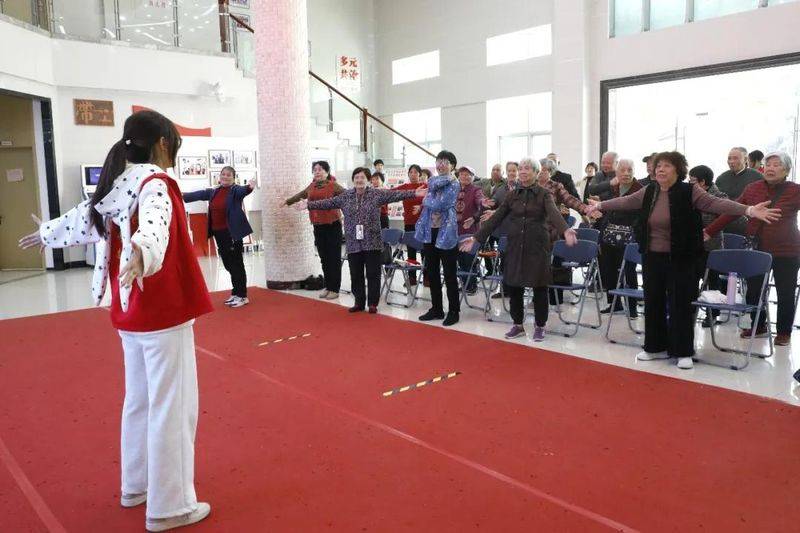
At the end of the lecture, the student volunteers also led the residents of the site to perform a simple gymnasium that is suitable for the middle-aged. The exercise was smooth and paced, taking into account stretching and activities, and adapted to the sports needs of the elderly and chronically ill. While demonstrating decomposition, the volunteers patiently spoke about the thrust and attention, reminding people to do what they could in their own physical condition and to avoid excessive exercise. The residents rose up with volunteers to stretch their limbs and exercise their bones, spread their bodies in a relaxed atmosphere, where the rhythm was warm and warm, and practiced carefully, both to ease the fatigue of sitting and listening and to develop a simple method of fitness that can be practiced at home on a daily basis。
This seminar on management of chronic diseases, which brings professional knowledge of health protection in the alternate seasons to the homes of the residents, not only equips people with chronic diseases in the community with scientific health management methods for the seasonal transition period, but also enhances self-protection and health management capabilities, as well as health awareness among the community. At the same time, young student volunteers enter the community in the form of professional science, translating the knowledge they have learned into practical action for the benefit of the population and rejuvenating the community health sciences。