Taste
Anonyms: north five, liao five, west five, mountain pepper。
The main sources are the north-eastern three departments, hebei, shanxi, ningxia, shandong, shaanxi, and so on. My province grows in the west, and all the towns and villages of the county are able to grow。
Taste is administered with fruit, and has lung condensation, kidneys, and nuance. The major treatments are neurological weakness, concussion, self-sweeting, urine, diarrhea, etc。
Form characteristics
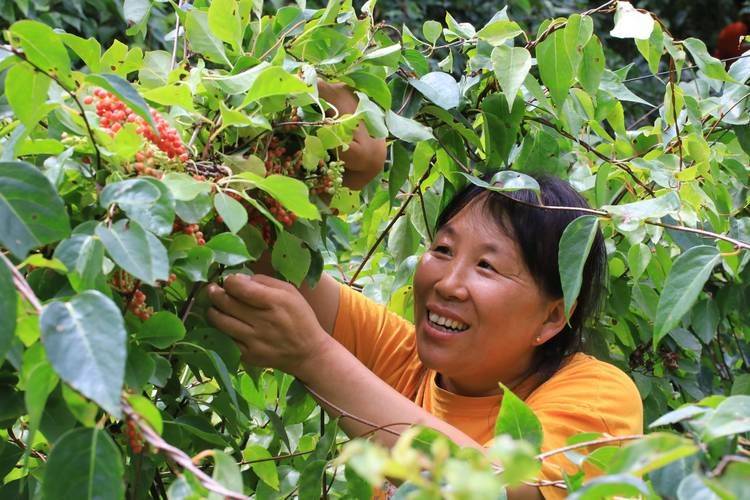
The tasting is years of leafy vines, 6-8 metres long. Small red and brown, old and gray, thinly fractured surfaces, fragrances, leaves born on young branches, single leaves, long leaves; foliage, rewinding or elliptical shapes, tipping edges, foundation wedges. Monosexuality, armpits, female-to-female, fragrance. The berries ball, 5-7 mm diameter, is red when mature. Each fruit contains 1-2 seeds. Skin brown. May-july, may-october。
Ii. Growing habits
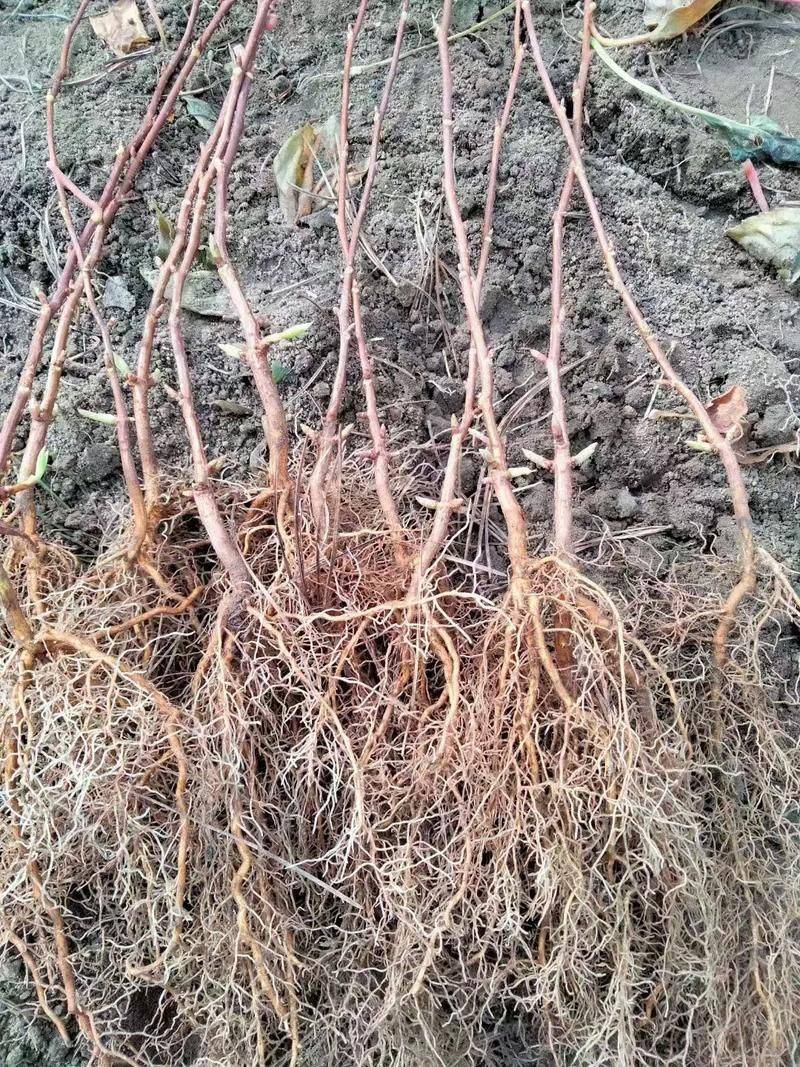
Tastes are wet and cool, but they are not resistant to low-lying water. There is no root, only a few roots, and therefore drought is not tolerated. The fertile micro acid soil. Cold tolerance requires a moderate shade and a precipice radiant sun, but after five to six leafs grow, it requires more sunlight。
Cultivation techniques
There are currently no cultivars in the same plant, and the merchandise is called the “south five” or the “west five”, and its fruit is small and its meat is thinner and of poor quality。
(i) reproduction methods
Seeds are mainly used for breeding, as well as for adhesion and pressure。
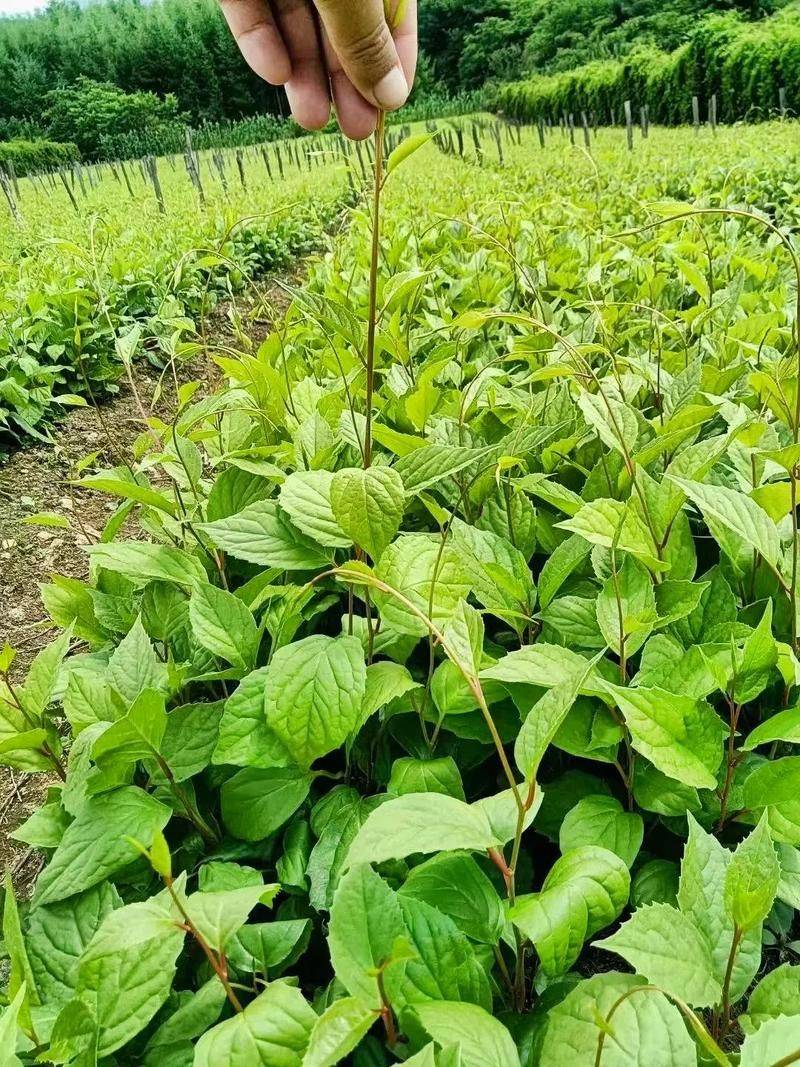
Seed reproduction: the fragrances are best selected during the autumn harvest, with large, uniform, dried and kept alone. Don't roast, bake or fry while dry. It may be dry or dry and stored in a dry ventilated place。
Vegetable seeds, with solid, smooth and oily skins, are not easily permeable and must be treated in order to grow. The selected fruit was immersed in hot water for three to five days in the first half of february, washing the meat, choosing the full seed, mixing it with three times the wet sand, burying it outside the house, with a pit depth of 60 to 70 centimetres, depending on the size of the seed. After piled into the pit, a layer of straw is covered with about 20 centimetres of soil, which is constantly checked to prevent decay. In late april — in early may, seed seed could be soaked when the seed had opened its roots。
The breeding grounds can choose fertile decomposed or sandy soil, or the old place. It's better to make beds. The seeds are spread evenly into the ditches, using a line, 15 centimetres by row, with 2-3 centimetres deep horizontally, and with an average seed volume of about 5 kg per acre. The soil is about 2 cm thick, slightly pressurized, and then a layer of straw is added to prevent the drought from warming up and, if so, water. Seeds that are disposed of by sand are grown from 20 to 30 days, and when they reach 50 to 70 per cent, they are removed from the saplings and placed in a shed to be removed after they are 5 to 6 cm high. The seedlings are to be weeded in a timely manner and in conjunction with the weeding; when the seedlings grow three or four leaves, the seedling is established at a distance of 5 to 7 cm. Observe the fertilization of seedlings to promote their growth。
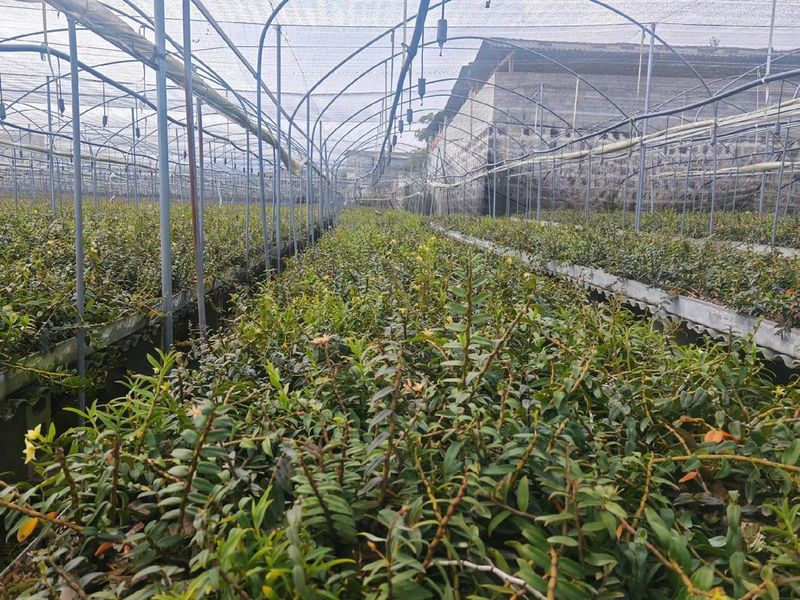
2. Cultivation: before early spring plants start up or after the july-august season, cut up the old year or the young branch of the year and cut it to 10 to 12 centimetres long, with a distance of 7 to 10 centimetres tilted into the seedbed, and then set up a shampoo and frequent watering to promote rooting and subsequent planting。
In the early spring, the branches are partially buried in the soil, often watered, the soil kept wet, and when the branches grow new roots, the branches attached to the mother's plant are cut off in late autumn or the spring of the following year for planting。
(ii) cultivation techniques. Taste is less demanding for soil, and general land can be planted. The seedlings, which are bred with seeds, are able to grow over two years. If management measures are robust and the seedlings are strong, they can also grow in the fall. The length of the line is determined by the manner of the stairwell before the spring sprouts and after the fall leaves. When artificial support frames are used, they are usually planted at a distance of 1 m from the main line, 70 cm from the small line and 45 cm from the north to the south to facilitate ventilation。
The fragrance is a fertilizing plant, where he/she is subject to the application of foot-based fattening, where he/she digs holes deep and wide by 35 centimetres at the distance of his/her line, mixed the fertilizer with the soil into the pit, with the roots stretching and then filling the soil and pouring water。
(iii) caregiver: in addition to the timely pine soil, other than grass, fertilization and irrigation, after the second year, a support frame should be put in place to enable the branches to climb and give them ventilation and light for growth. The frame should preferably be 1. 8 metres long, with two to three centimetres in diameter, a wooden stick or bamboo pole to form a flower shelf and then draw the chicken onto it。
(iv) harvesting and processing
(i) harvesting; after four to five years of planting, the fruit is picked in purple red from september to october, or cut with the branch, and it is preferable to opt for the sun so that it can dry in time。
(ii) processing: when the weather is dry, it can run through the night, and when it is dry, it is oily and of good quality; in the event of a rainy day, the temperature begins at about 60°c using a microfire coal, and when half-dry, the temperature is reduced to 40-50°c to prevent volatilizing oil from spreading or becoming a tarp to reduce the quality of the drug. Dry it, remove the handle, impurities, sift the dust. And those with purple red, large grains, thick flesh, oily and radiant。