Fire generation is generally the sum of the ways in which thermal energy generated during fuel combustion, such as oil, coal and natural gas, is used to heat water, making it high-temperature, high-pressure water vapour, and then power generation by water vapour-driven generators. Power plants fueled by coal, oil or natural gas are collectively referred to as fire plants。
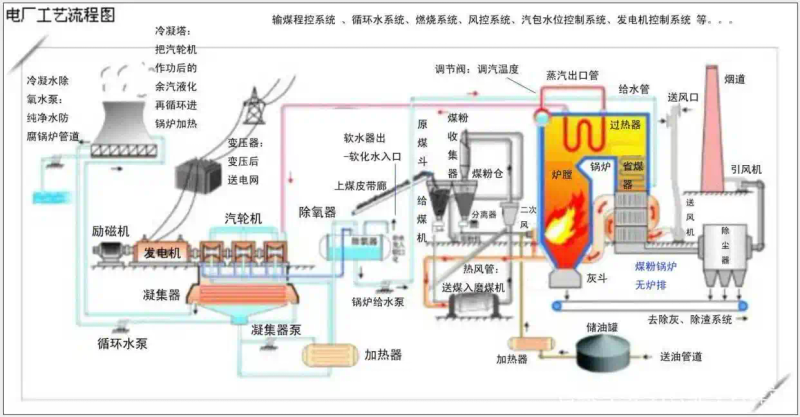
Fire-fired power plants, using coal as a primary source of energy, use belt transmission technology to deliver treated powder to the boiler, which heats the boiler with pyrotechnic combustion turns water from the boiler into water vapour, which, after one heating, enters the high-pressure tank. In order to improve thermal efficiency, the water vapour should be reheated and the water vapour should enter the middle cylinder. Power generation by wheel generators is facilitated by the use of steam from medium-pressure tanks. It's a low-pressure tank. Some of the steam that has been used has been extracted from the middle to feed brother enterprises such as refining oil and fertilizer, while the rest flowed through the water cooling of the condensers and became about 40 degrees of saturated water for reuse. The saturated water of about 40 degrees passed through the condensed water pump, passed through the low pressure heater to the deoxifier, at a time of about 160 degrees saturated water, removed oxygen from the deoxifier and used the pump to be fed into the high pressure heater, where the heater used reheated steam as a fuel and eventually re-used in the boiler. These are a production process。
Nuclear power generation uses thermal energy released from nuclear fission in nuclear reactors. It's very similar to fire generation. Only nuclear reactors and steam generators are used to replace boilers for fire power generation, and nuclear fission energy is used to replace fossil fuel chemistry. In addition to boiling water reactors (see light water reactors), other types of power reactors are one-way coolants heating through a stack of cores, transferring heat to the water of a two-way or three-way steam generator in a steam generator and then forming a steam-driven wheel generator. The boiling water reactor is a one-way coolant that heats through the core into saturated steam around 70 atmospheric pressures, separated from the soda and drying up and directly boosting the wheel generator。
Hydropower generation systems use high and dynamic currents, such as rivers, lakes, to the low, to convert the energy contained therein into the motor of a water turbine, which is then used as a source of power to drive generators to generate electricity. Water power (with water) is used to drive the rotation of hydromechanical (water turbines) into mechanical energy, which is converted to electrical energy when another machine (generator) is connected to the water turbine and is capable of generating electricity as the wheel turns. Hydropower generation is, in a sense, a process by which water levels are transformed into mechanical energy and then into electrical energy. Owing to the low voltage generated by hydroelectric power plants, to be delivered to more distant users, the voltage must be increased through transformers, then transferred from empty transmission lines to transformer stations in user centres, and eventually reduced to those suitable for home users, plant-based equipment and distribution lines to factories and households。
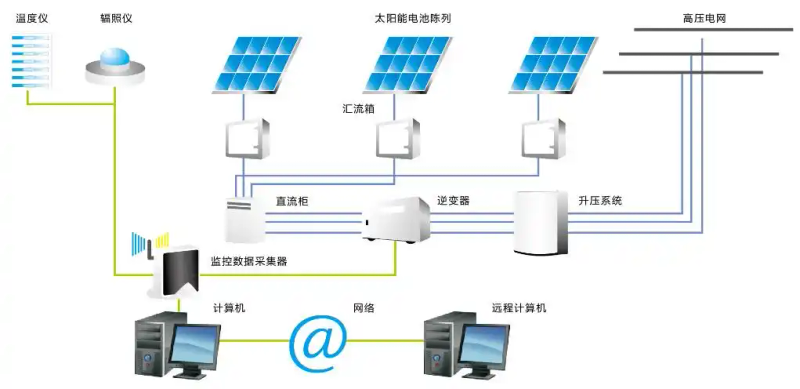
Photovoltaic power generation is based on the principle of photovoltaic effect, using solar cells to convert solar light energy directly into electricity. Whether independently or connected, the photovoltaic system consists mainly of three main components of solar panels (components), controllers and reversers. The solar array (also known as the photovoltaic assembly array) consists of a series of photovoltaic clusters with direct access to the reversers, which transform the direct current from the photovoltaic component into an exchange output and access the national grid。
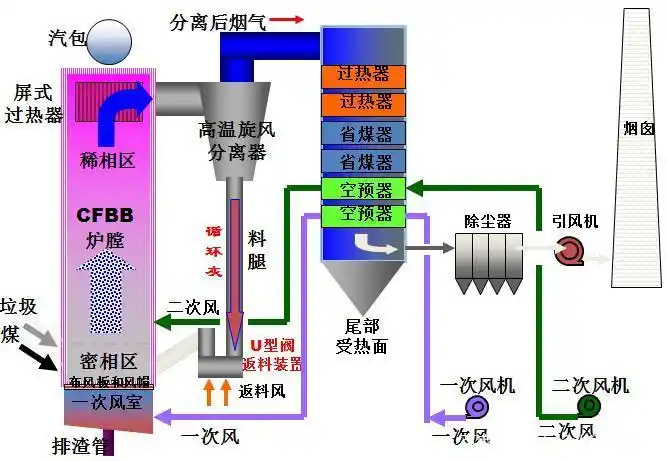
Waste generation is the sorting of wastes after collection. The first of these is high temperature incineration (which also completely eliminates pathogenic organisms and corrosive organic matter) at higher combustion values, thermal energy generated in high temperature incineration (the smoke generated is processed) is converted to high temperature vapour, driving the wheel to turn and generating electricity from generators. The second is fermentation, anaerobic treatment of non-combustionable organisms, and final dry desulphurization, producing a gas called methane, or biogas. By burning, thermal energy is converted to vapour, driving the wheel to turn and generating electric power from generators。