Yesterday, the international forum on social security and the launch of the china pension development report 2012 was held in kyoto. According to the report, there were 14 provinces that could not afford to pay in 2011, with a shortfall of income and expenditure of $76. 7 billion. In addition, beijing ranked first on the china pension development index published in the report。
Pension deficit
The personal account's empty
This report, published by the china institute of social sciences, shows that in 2011, 14 provinces received unsatisfied pensions for urban workers, leaving a shortfall of 76. 7 billion yuan, higher than in 2010。
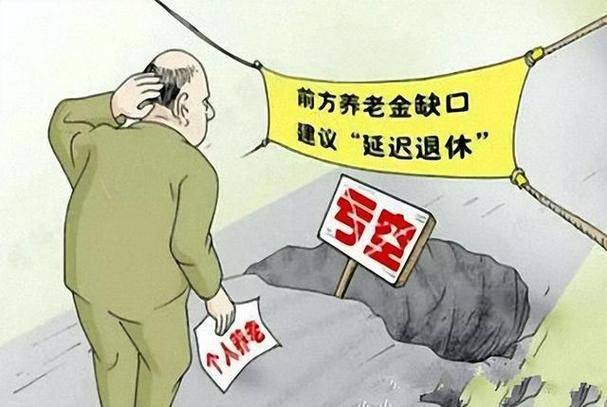
The report shows that 17 out of 32 integrated units (31 provinces plus the new zealand army) could not afford to pay out their financial subsidies in 2010, representing a shortfall of $67. 9 billion; while the number of provinces that could not afford to pay for 2011 decreased to 14, the shortfall was higher than in 2010, reaching 76. 7 billion yuan。
According to the report, in 2011 the amount recorded was 24,85. 9 billion and the amount vacant was 22,15. 6 billion. The empty personal accounts, following the breakthrough of trillions of dollars in 2007, again surpassed 2 trillion。
Helps you out
Pension gap
How

Mr. Luihai, managing director of the professional committee on remuneration of the chinese labour society, explained to the press that there were several main reasons why pensions were empty. On the one hand, our social security system was established relatively late, and many former retirees did not contribute at all and participated in it. The early old-age pension system was designed to cover the pension of retired workers by relying on contributions from active workers, i. E., when the individual contributions of active workers were not fully entered into their own personal accounts and were partially paid to retirees, leaving the individual accounts of active workers empty。
Moreover, in recent years the state has consistently increased its pensions by about 10 per cent per year, and many people now have pensions of over $2,000 per month. This dramatic change in pension expenditure has made it possible for the state's finances to give priority to pensions for retirees and not to solve the problem of empty accounts in the short term。
Responses and recommendations
The fundamental solution is to achieve a comprehensive national increase in the financial capacity to pay for old-age insurance
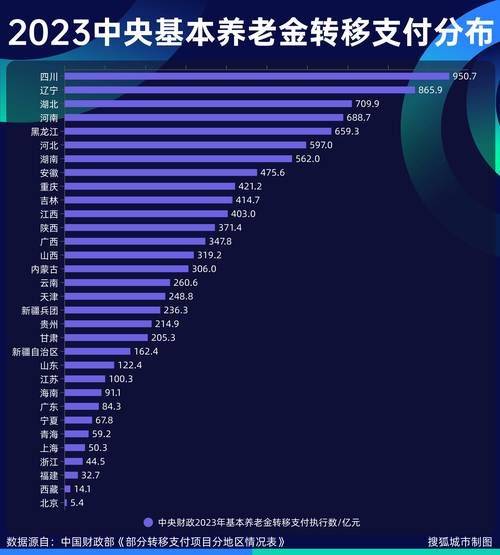
“the question of the balance and deficit of basic pensions relates not only to the smooth functioning of the basic pension insurance system but also to the harmonious stability of society.” the deputy director of the social security department of the ministry of finance, mu kim mao, stated that the central treasury would do two things to address the imbalance in pensions. On the one hand, the fiscal expenditure structure has been further adjusted and the basic pension insurance subsidy has been increased. On the other hand, the top-level design will be strengthened in conjunction with the department of human resources and related departments. • promotion of institutional reforms at the macro level. At the same time, national integration should be promoted, with a view to developing a national approach and programmes for the integration of basic pensions. In addition, a mechanism for normal adjustment of the basic pension for employees in enterprises will be established so that the level of the pension is commensurate with the price index and the level of wage growth, reflecting changes in prices and changes in development。
The director of the world social security research centre of the chinese academy of social sciences, zheng weng, stated that the financial situation of basic old-age insurance for urban workers in china was very different, owing to the combined effects of four factors: historical debt, institutional support rates, level of economic development and spatial distribution of labour mobility between provinces. In contrast, the inter-regional pension insurance system poses a huge risk of financial imbalances。
The experts suggested that, for a certain period of time, the solution to the problem of overpayment in these provinces would be to rely on financial transfers, while at the same time increasing the financial capacity of old-age insurance in those provinces. For example, coverage has been expanded, contributions have been increased and the number of early retirements has been controlled. The fundamental solution to this situation lies in national integration。