


In this era of increasing resource stress and environmental pollution, soilless cultivation, as an advanced agricultural technology, is gradually entering the public eye, especially in the field of organic vegetables, with its unique advantages, as an important direction for modern agricultural development. Landless cultivation, by definition, is a form of cultivation that does not depend on traditional soils but supports plant growth through specific matrices and nutrients. Such an approach would not only effectively address the problems of soil pollution and water scarcity, but would also significantly improve the production and quality of vegetables and meet the demand for healthy and safe food. Below we will explore in detail the methods of growing organic vegetables without soil。
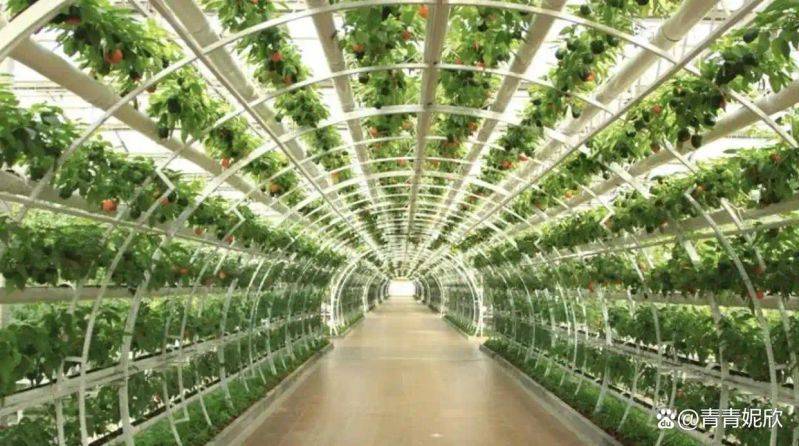
I. Premises
Equipment and material preparation:
Equipment: growing boxes (or containers such as plastic basins, foam tanks), water pumps, pipes, nozzles, water compost machines, etc. Materials: nutrient fluids, seeds, sprouts, sprouts, matrices, etc。
Packagings and substrate selection: selecting containers suitable for vegetable growth to ensure good air penetration, temperature protection and durability. The selection of the appropriate matrix should be good for water conservation and air penetration and provide the nutrients required for plants。
Sterilization: sterilization of planting boxes and matrices to reduce the incidence of pests and diseases。
Seed sprouts: seeds are impregnated at suitable temperatures for a period of time (e. G., 6 hours in warm water at 32°c) to promote germinate。
Seeding: digged into the matrix and planted a suitable amount of seed in each cell, then covered with the matrix and light pressure. Cover membranes to maintain humidity and temperature and to promote seed germinate。
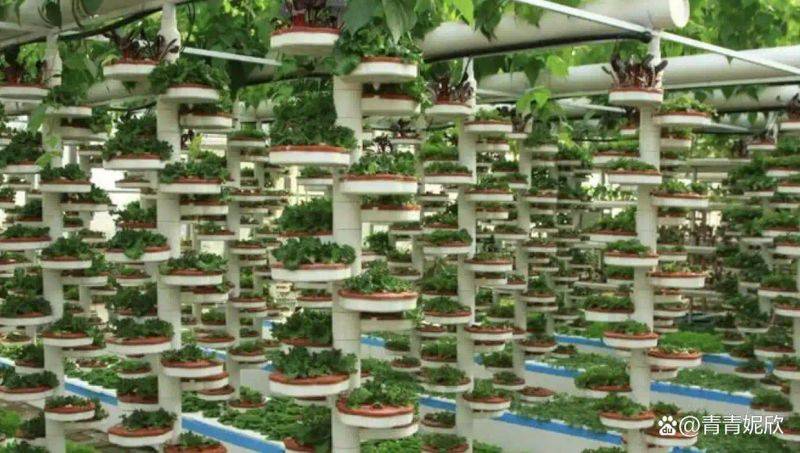
Selection of the appropriate matrix
The foundation of soilless cultivation is the basis for plant growth, which must have good air penetration, water conservation and a certain nutrient content. Common matrix materials include coconuts, pearl rock, neptunium, rock cotton, etc. These materials can be combined as needed to achieve optimal physical and chemical properties. Coconuts, for example, have good water conservation and some nutrients, but are less ventilated, while pearl rock is better ventilated, and their combined use may be insufficient to complement and provide an ideal environment for vegetable growth。
Iii. Preparation of appropriate nutrients
Nutrient fluids are the main means by which plants in soilless cultivation can obtain nutrients. Nutritional fluids are formulated with precise control of the ratio and concentration of various nutrients according to the different stages of vegetable growth and nutritional needs. In general, nitrogen, phosphorus and potassium are a large number of elements necessary for plant growth, while trace elements such as calcium, magnesium, sulphur, iron, manganese and zinc are indispensable. In addition, regular tests and adjustments are required to maintain the alkalinity (ph) and dissolved oxygen levels of trophic fluids within appropriate ranges。
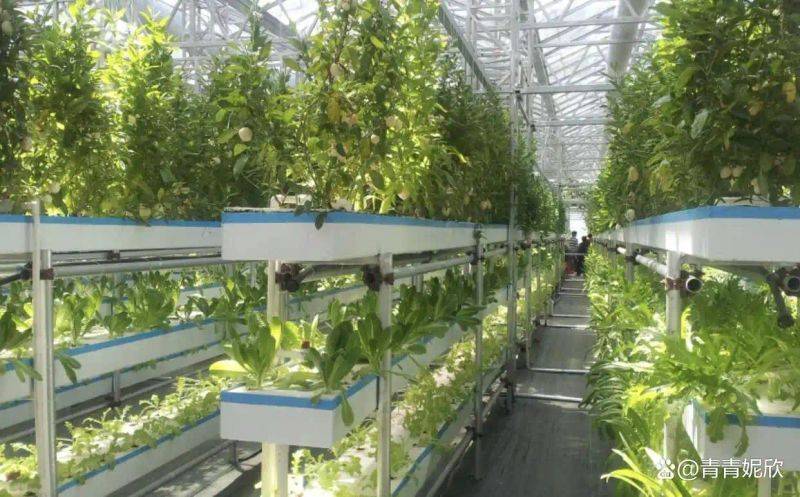
Building scientific irrigation systems
The irrigation system in soilless cultivation is essential and directly relates to the rate and quality of plant growth. Currently, irrigation methods are commonly used in the form of drip irrigation, microspray and fog. The drip irrigation system directly delivers nutrients to plant roots through pipelines, which have the advantage of saving water, saving fertilizer and reducing pests and pests; micro-jet can produce small mists within a given range, increasing air moisture and promoting plant growth; and mist training is a more advanced form of cultivation, placing plants in enclosed or semi-enclosed spaces, supplying nutrients by means of time spray, exposing plant roots to complete air exposure, greatly improving oxygen supply and nutrient absorption efficiency。
Controlling appropriate growth environments
Unearthed vegetables are more demanding in the growing environment, including temperature, light, humidity and ventilation. Temperatures need to be regulated according to the type and stage of growth of vegetables to ensure the appropriate range; light is the basis for light cooperation and adequate light intensity and timing, supplemented by artificial light when necessary; humidity and ventilation are relevant to plant growth rates and pest control, and need to be managed on a case-by-case basis。
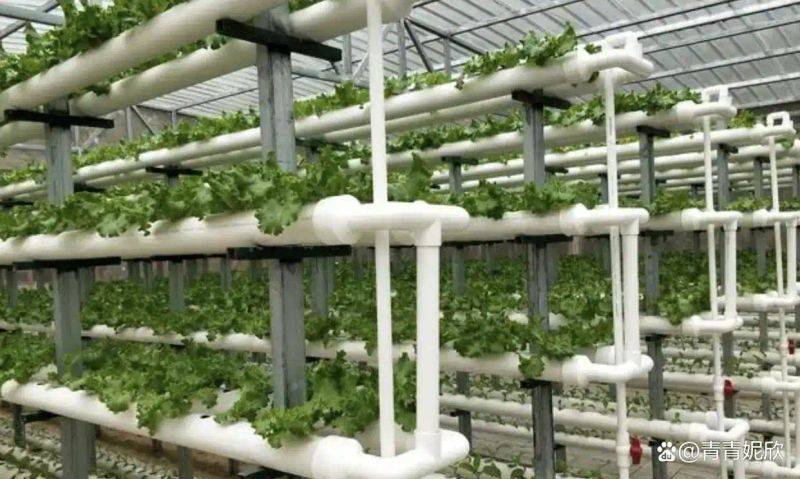
Vi. Pest management
While soilless cultivation can reduce soil-borne pests and pests to some extent, it still requires proper pest control. Prevention is the main focus, and integrated treatment is the basic principle of soilless management of organic vegetable diseases and pests. Specific measures include the selection of highly pathogenic varieties, the maintenance of clean matrices and nutrients, the rational use of biological and physical control methods and, where necessary, the use of low-toxic and efficient organic pesticides。
Collection and follow-up management
When vegetables meet harvest standards, they should be harvested in a timely manner to avoid over-pregnating the quality of the effects. The harvest will also require the cleaning and disinfection of matrices, nutrients and irrigation systems in preparation for the next planting cycle. In addition, the harvested vegetables need to be properly packaged and stored to maintain their freshness and nutritional value。
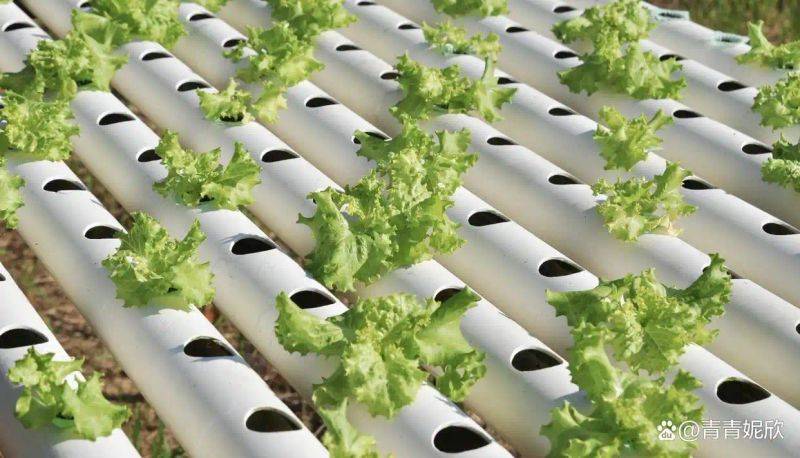
In summary, the method of growing organic vegetables without soil is a systematic project that requires a combination of matrix selection, nutrient formulation, irrigation systems, growth environment control, pest and disease control and harvesting and follow-up management in order to ensure high productivity, quality and environmental protection of vegetables. As science and technology progress and demand for healthy foods increase, the techniques for growing organic vegetables without soil will be more widely applied and developed。
# unearthed #



