


Iptv case
Colloquium on trial dilemmas
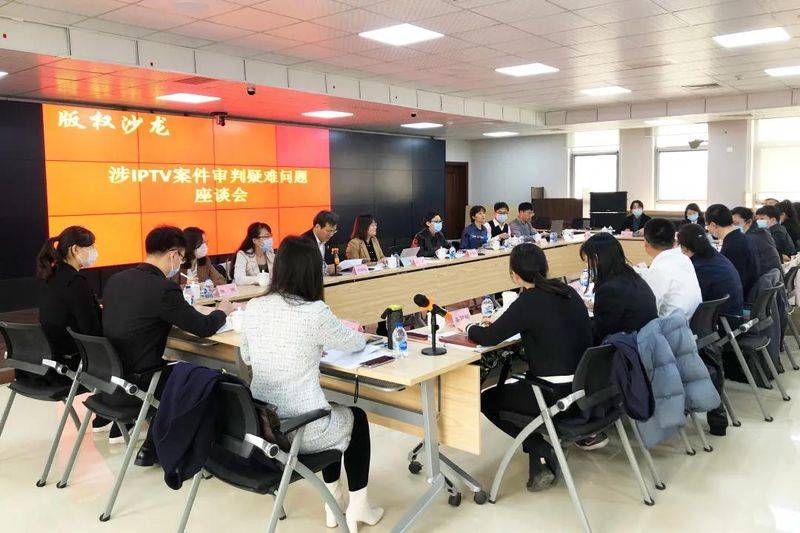
The meeting was attended by the vice-president of the people's court of beijing, the vice-president of the third division of the high people's court of beijing, representatives of intellectual property judges from the beijing and tianjin courts, as well as representatives of administrative bodies and trade associations, such as the beijing copyright board, the beijing cultural market enforcement unit and the capital copyright association. The meeting was co-chaired by the president of the people's five division of the dynasty-yang court, li lianju, and the judge of the third division of the people's high people's court of beijing。
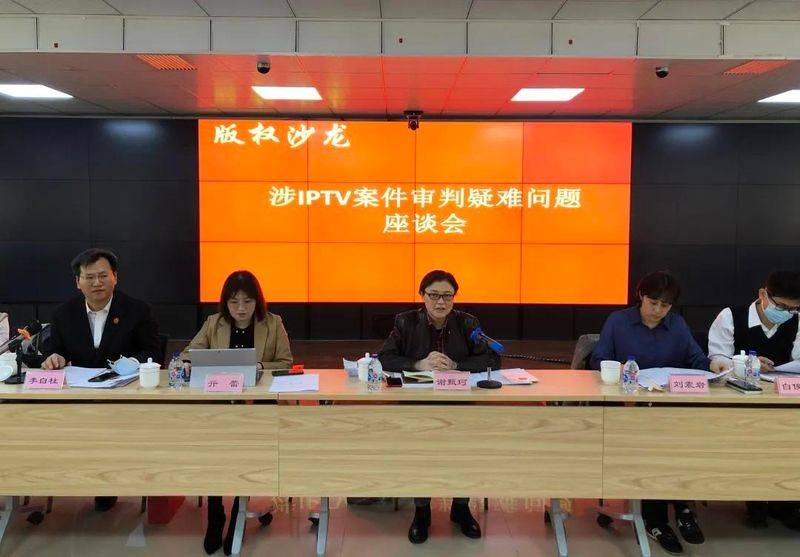
At the beginning of the meeting, the vice-president of the people's court of the high people's court of beijing, xie chook, delivered a message welcoming the participants of the beijing copyright authority, the beijing cultural market enforcement brigade, the capital copyright association and the representatives of the tianjin court judges, and providing a briefing on the background and operation of the copyright sharon working mechanism。
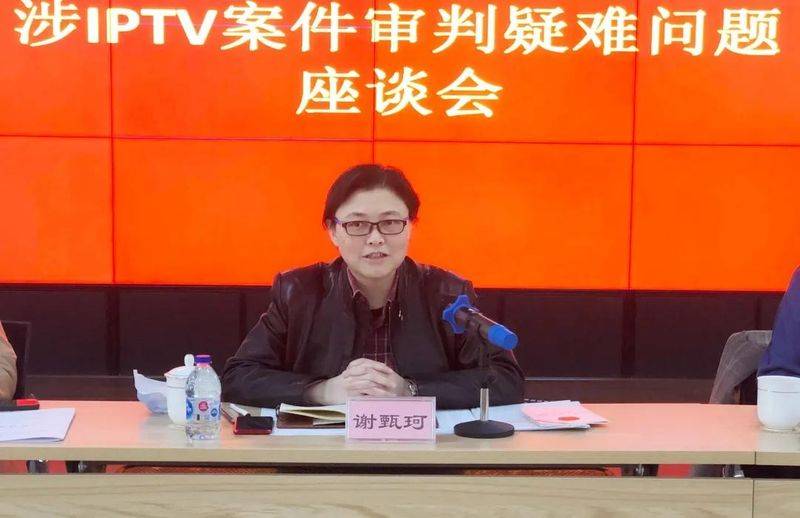
Address by the vice-president of the third division of the beijing high people's court
She pointed out that copyright sharon was originally intended to harmonize standards of adjudication, to create a platform for learning exchanges among city-wide chief justices and for efficient communication between the judiciary and the executive. The first issue of copyright sharon in 2021 focused on the difficulty of the iptv case, mainly in view of the fact that these issues are currently concentrated in the copyright trial in beijing. This relates not only to issues in the field of intellectual property rights, but also to fundamental civil law issues such as joint torts, fault determinations, etc. At the same time, it is a topical issue of great concern to society and has some normative and leadership implications for the industry. The beijing high court will prepare a summary of issues related to the iptv trial, taking into account the discussions in copyright sharon, to better harmonize standards for the adjudication of such cases throughout the city。
Guest presentations
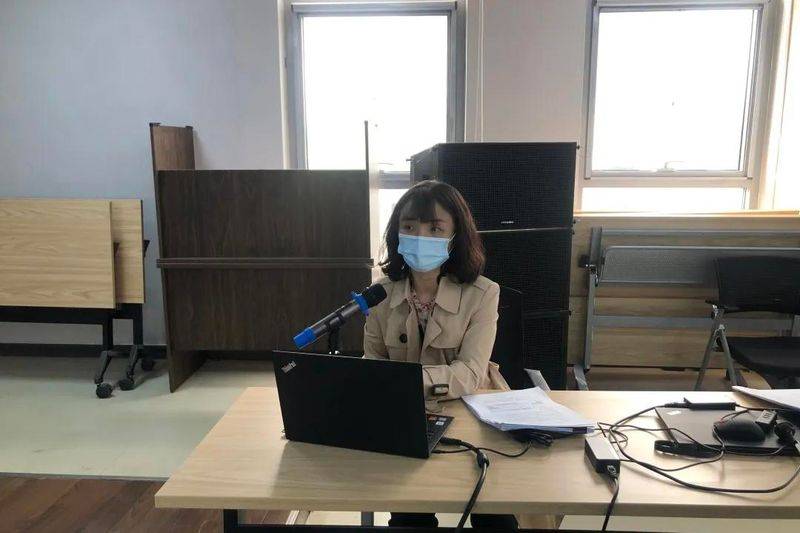
Judge of the fourth division of the people's court of the western city of beijing
Iptv is a product in the context of telecommunications networks, cable television networks and the “trinet integration” of computer networks. In terms of operating principles, its structure includes, inter alia, network transmission links involving the capture of stored front-end equipment, the implementation of flow-routing transmissions and broadband access transmission, and terminal equipment for receiving, storing and broadcasting functions. At present, the iptv case is divided as to the characterization of the violation, as to how the conduct is characterized by a time limit and live broadcasting。
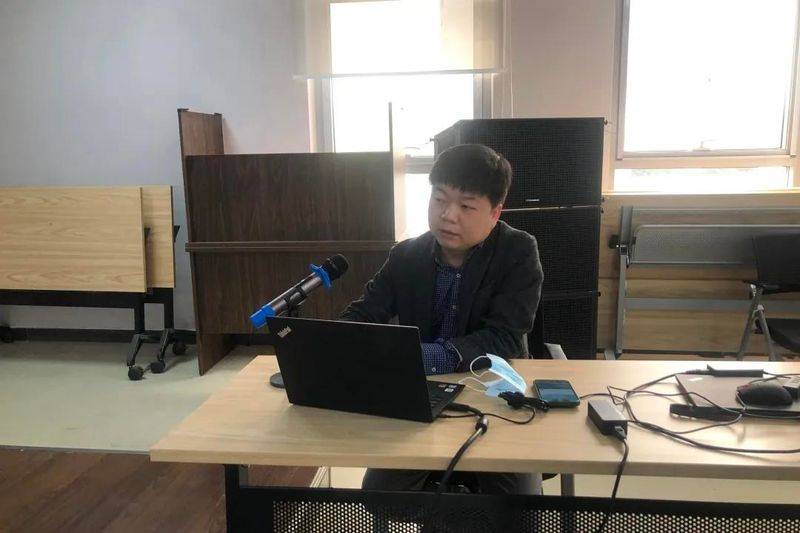
Judge of the beijing internet court case
The iptv case shows a trend towards a gradual increase in caseload, marked homogenization and procedural and substantive disputes. Procedural disputes included the inclusion of the beijing telecommunications operator group company as the respondent's basis for determining the appropriateness of jurisdiction in disputes arising out of the iptv operation for which provincial and municipal telecommunications operators were specifically responsible, the question of whether the use of urban or local area networks for signal transmission was within the “internet” category of the internet jurisdiction in internet court cases, and how the telecommunications operator's application for additional content provider participation should be dealt with. Disputes at the substantive level included looking back at how legal characterization should be carried out, the rules for the determination of torts by cooperation in the division of labour between telecommunications operators in iptv operations, broadcasters and content providers。

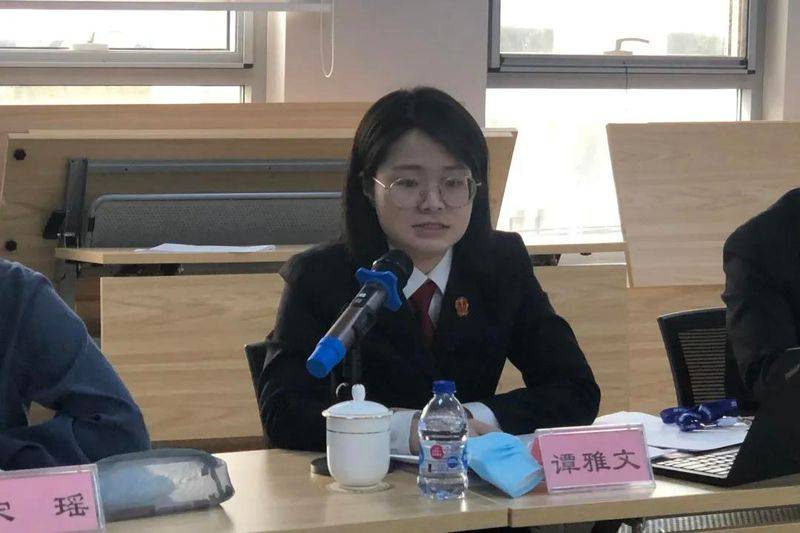
Judge of the people's court of haidian district, beijing
Whether a telecommunications operator is responsible should be returned to a specific case and determined in conjunction with the evidence. Third-party rights holders can claim responsibility only through the telecommunication operator's subject identifier shown in the capbox and the iptv interface, and the division of labour between the telecommunication operator and the related subject is not automatically effective for third-party rights holders. Telecommunications operators should prove their claims that they only provide technical services and should not be held liable for tort。
Judge of the people's court of beijing city, zhongyang district. Man
The iptv case consists mainly of two main categories, one for a composite subject of an umbrella channel organizer and a specific programme author, against provincial broadcasting platforms, telecommunications operators, and the other for content providers against provincial broadcasting platforms, telecommunications operators. In addition to adding additional parties, repeating actions and characterizing tort, the issues at issue in the iptv case include equity: the technical characteristics of iptv determine that the channel's overall signal transmission is carried out on the channel and that it is not able to exercise individual control over the particular programme covered by the channel. An order to stop the violation based on a specific programme tort dispute would result in the overall channel signal stopping transmission。
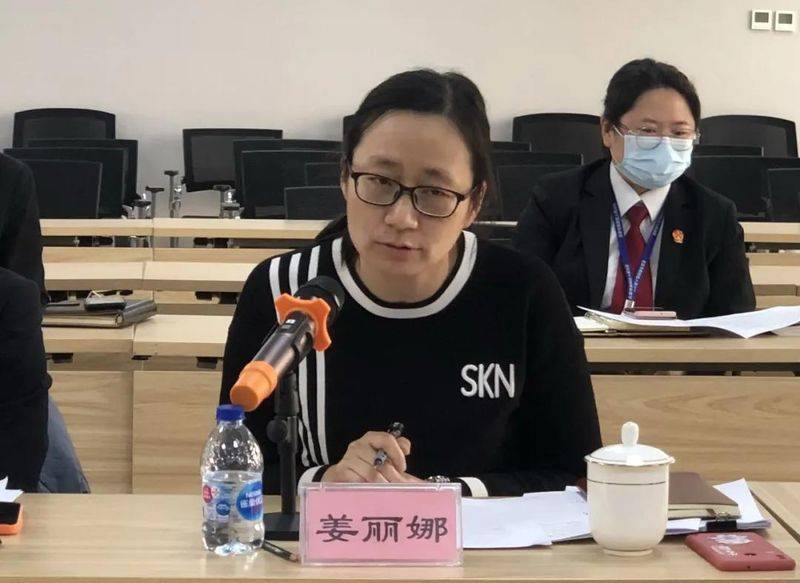
Judge, beijing intellectual property court, kang lina
The iptv case mainly concerned two modes of behaviour: firstly, the user can use a live channel to move, look back, pause, retreat, etc., and secondly, on-demand, where the user can broadcast television dramas, ensembles, etc. According to his preferences. The debate in the iptv case focused mainly on the characterization of the alleged violation and the subject of responsibility. In practice, there is a dispute as to whether the time-bound characterization constitutes a violation of the right to disseminate information networks or a violation of the right to broadcast; and whether the primary responsibility of the operator, such as telecommunication connection, should be regarded as constituting a joint tort in cooperation with the subject-matter of content provision, or whether there is a wrong tort, or the failure to assume responsibility for network providers alone, is the main issue at hand。
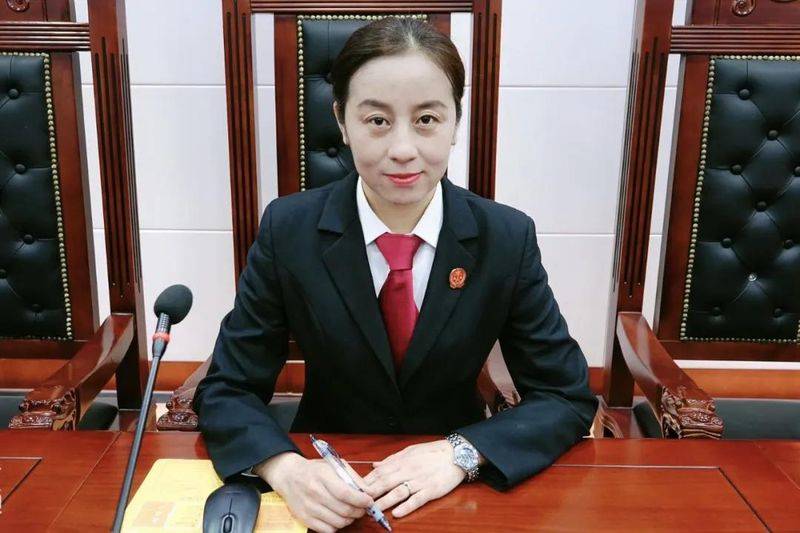
Judge, intellectual property division, higher people's court of tianjin city
The determination of whether the action complained of is an iptv and of the nature of the iptv business is a prerequisite and basis for determining the responsibilities of the various actors involved under the iptv model. In operational practice, the iptv transmission service is responsible for docking with the integrated broadcast control platform and for the automatic transmission and distribution of programme signals to end-users via a dedicated network, and although it also provides services such as product pricing, business promotion, processing, installation, commissioning and commissioning, it does not have the authority to audit and manage the content of the programme, whether from the point of view of its segregation of duties, contractual agreements or offline processes on the programme, nor does it have the responsibility and capacity to access, manage, provide and review the content of the iptv programme. These factors should be fully taken into account in determining whether the transmission service provider in the iptv business is liable。

President of the third division of the beijing high people's court
We are looking at the legal responsibility of the subjects concerned under the narrow concept of iptv, starting with a clarification of the concept of iptv, a distinction between the iptv and the ott model, further study based on a clear understanding of technical principles and business models, and clarity of legal rules。
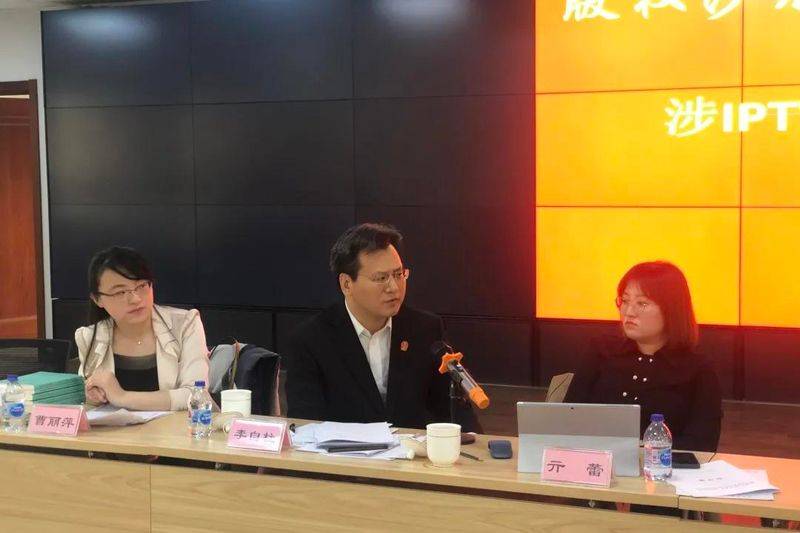
President of the people's court of the hoangyang district, beijing
The determination of the liability of a telecommunications operator should be viewed not only from the point of view of its provision of technology, but rather in the context of the provisions of civil law on joint torts, which address whether the outcome of the violation in question is the result of the actions of the content provider, the telecom operator, the correlation between the outcome of the violation and the conduct of multiple subjects, and whether there is a meaningful connection between the multiple subjects to the outcome of the violation. In a particular case, there is a need to examine the circumstances of evidence such as the contract between the telecommunications operator and the content provider, the record of the conversation and the need to induce the parties to give positive evidence。
This time, sharon conducted a systematic review of the complex issues and trial experience of the iptv case, which not only provided practical recommendations for the harmonization of sentencing standards, but also provided a valuable opportunity for trial staff to learn from advanced trial experience and to improve their professional trial capacity, with good results. In addition, the participation of the judges of the three courts of tianjin at this time was an attempt at the integrated construction of intellectual property trials. Sharon is also preparing for the joint judicial and administrative meeting of the beijing high people's court and the beijing copyright authority in the second quarter of 2021。
Contribution: cour de chongyang



