(continuing)
I. Accountlines
I'm sorry。
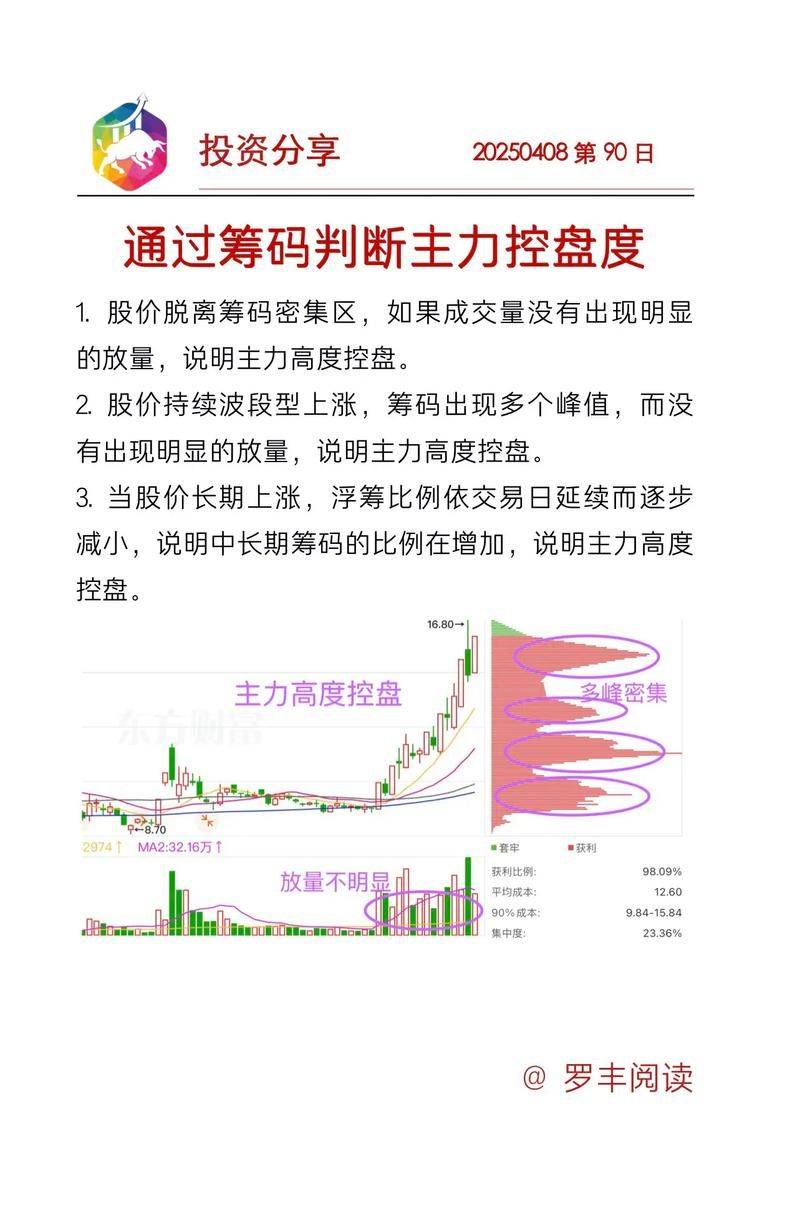
Ii. Four techniques of leverage theory。
(1) cobalt distribution indicators employ techniques i: “top-down, drop-down”。
The market meaning of the technique of “up and down”: the stock price is on a downward trend when the main power is up to the top. To produce a new story, it will require a second downward shift of leverage from the top to the bottom where the main force completes the full sucking process. In the course of falling stock prices, if the leverages that are secured above are not sufficiently shifted downwards, this means that even when a dealer is ready to enter the field, it will not be able to complete a full sucking process and that when the stock price rises to the bottom of the high-intensity cap above, it will fall back in the face of the heavy pressure created by a palette。
B. Case analysis of the “highest and falling”:
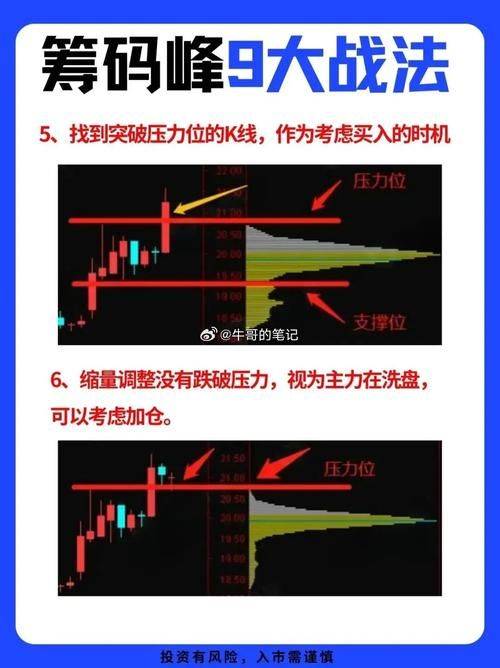
C. Summarizing the techniques of “up and down”:
(1) the creation of a new circle requires a full transfer of the historical palette downwards, so that there is no resistance to the build-up
(2) in the course of the decline in stock prices, each of the dense peaks formed at the time of the rebound or crossboard is the resistance to future stock price increases, with reference to the distance between the peak and the peak
(3) in the case of stock prices, which are historically relatively low, the leverage above the stock price still has a historical plate that has not been transferred down, and the middle line is not easily chosen。
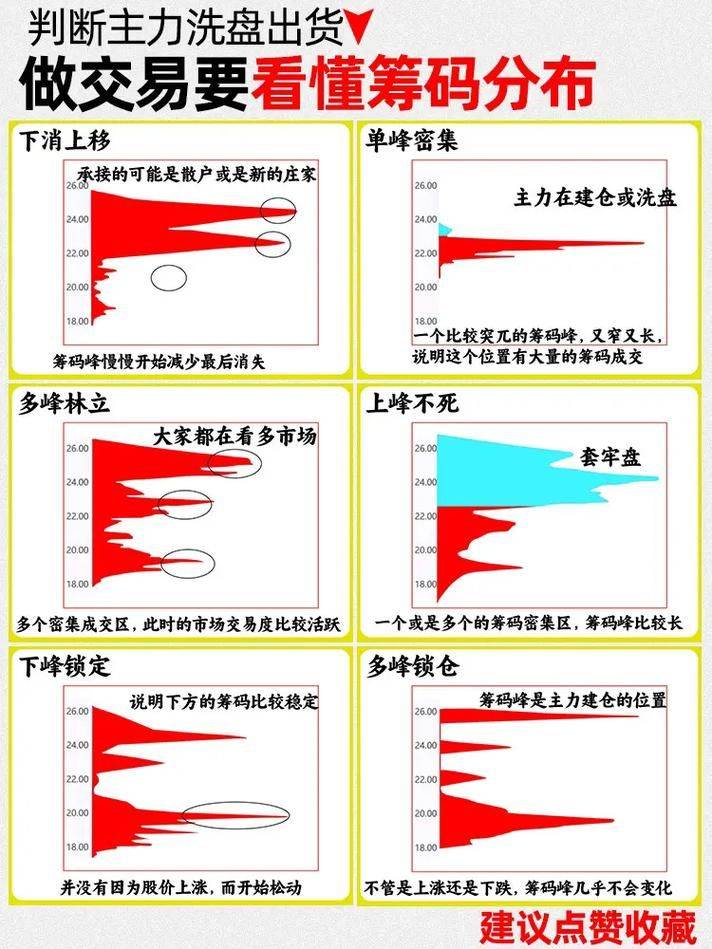
This is true for (4) shares and for large holdings. When a large plate is at its peak, a large amount of leverage accumulates at the top. During the subsequent rise in stock prices, each rebound to the region was blocked。
The process of changing the mindset of investors who “slide and fall”
Most investors are still alive or unwinded, so they hold shares; with time, stock prices fall deeper, and when there is enough space for stock prices to fall, the equity price rebounds, and the equity holder does not throw (or a small percentage of them sells); then the dominant forces continue to press the stock price, then make a rebound, and if the equity holder does not throw (or sell in small amounts) then fall again. Repeated shocks at low stock prices have changed the mental state of the original equity holders: “if the days of unsolvedness are not always known, it is better to do high-smoking and low-cost work in low places.” so someone will hand over cheap chips。