In recent years, it has become increasingly difficult for civil servants to interview, on the one hand, in a variety of interviews, both structured and non-lead panel interviews, and, on the other hand, in the topic itself, not only to focus on minor matters, but also to address matters of national importance. For the most part, the responses are often limited to their own knowledge reserves, which either have nothing to say or are superficial. Since it was particularly important to upgrade their knowledge reserves, public and private education would then share some of the small ways of improving them with candidates。
I. The habit of reading news
Most interviews with civil servants are highly time-bound. Candidates could therefore devote more attention to news flashes in general. At the same time, there can be some focus, some negative, sensitive topics, and fewer. In general, news outlets include news agencies, or official channels such as people's daily, xinhua, etc。
Ii. Consciousness to have records taken
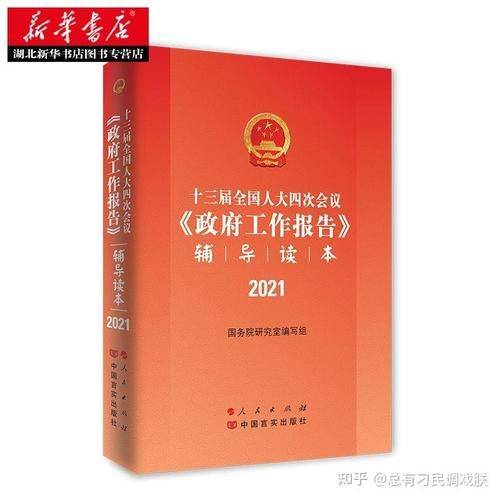
The volume of information tends to be high when reading news and some review-oriented articles. It is therefore recommended that awareness and skills to intercept key information be developed. It is important to learn to extract the highlights of the article. In general, the first paragraph of the article can be highlighted, and some of the highlights in the article have even been hacked by the author. As they say, memory is not as bad as it is, you can record good words, classic reviews, etc., and deepen your memory。
Iii. A habit of looking back
In the course of learning, we are confident that much will be achieved. But the curves in our memories are declining over time. Some of the knowledge accumulated in the preceding period is therefore easily forgotten without retrospect. It is therefore important to have a sense of review and to take some time each day to deepen the memory。
Learning to be flexible

At times, some of the knowledge accumulated may be more professional and complex, both in content and language. At this point, you can do some processing of this part, and it is best to be able to express it in your own language and to remember it better。
V. Intergenerational learning
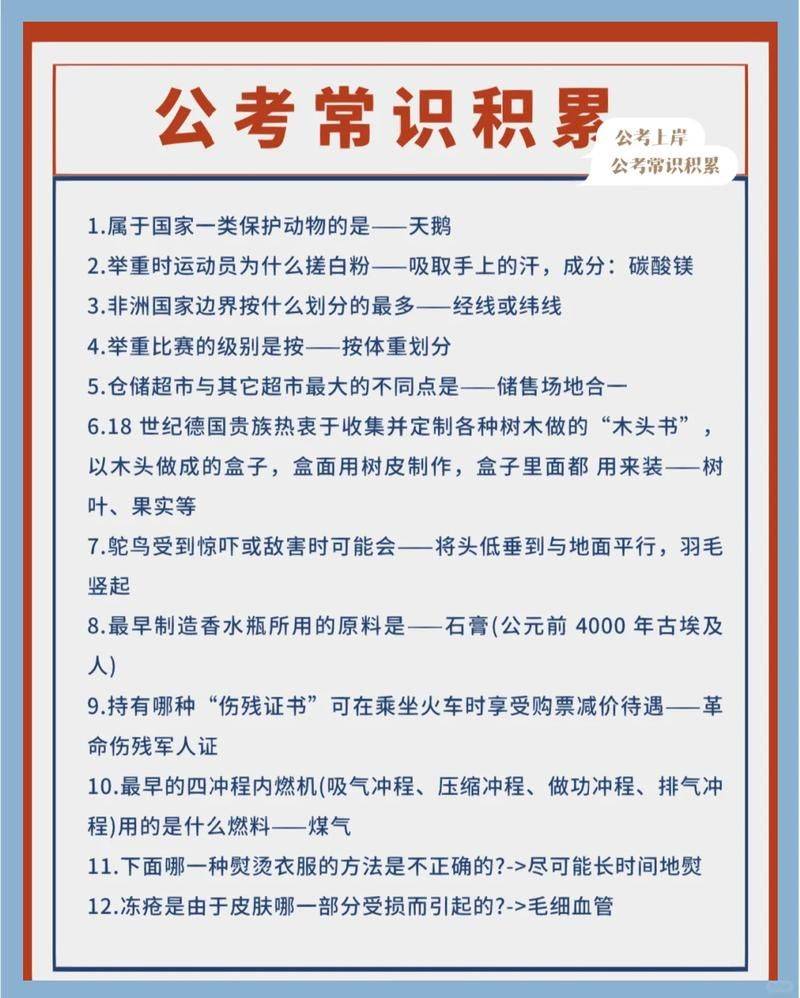
Accumulating knowledge, in the end, for the final interview. So let's not just remember the dead, but try to integrate that knowledge into our answers in our daily learning process. It is also a process of knowledge-building in the process of learning to access information when confronted with strange topics。
In conclusion, let us always remember that the accumulation of knowledge must be a long-term process, and that there must be a sense of perseverance, nine layers, starting with the earth; the journey begins at the bottom. From now on, learn!