In april 2018, tianjin university established the ministry of medicine in order to achieve the strategic goal of building a world-class university with a chinese character. The ministry of medicine, with the concept of “medical tuning, engineering support, transformation of innovation, clinical demonstration”, promotes the cross-fertilization of the traditional dominant disciplines, such as engineering, science and medicine, with the development of various disciplines, such as electronics, physics, mathematics, computers, information technology, and so forth. It is also guided by medical needs, breaks down the bottlenecks in the development of disciplines, nurtures emerging disciplines, plans for good discipline ecology and seeks to safeguard people's life and health with scientific and technological strength。
I. Research directions
(1) brain science and neural engineering
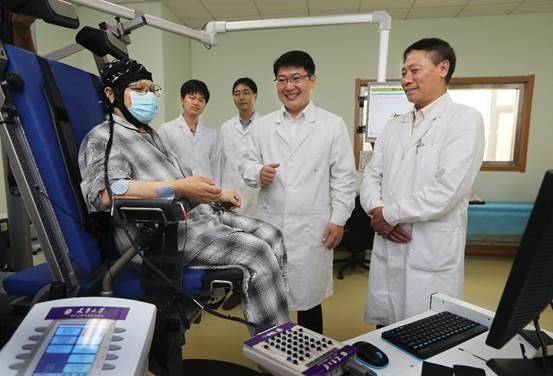
As an emerging cross-cutting field of science, brain science and neural engineering apply the principles and techniques of life, neuroscience and engineering, from molecules, cells, tissues, organs, systems to behaviour, to the neuromechanical mechanisms of advanced cognitive functions of the brain; integrate multidisciplinary technological means such as life sciences, neurosciences, engineering, material sciences, computers and information science, aiming at a mechanism of human-engineeral synergy and convergence between living and non-living bodies; conduct research on the full chain of new-generation brain-mechanical interactions and brain intelligence; break technological bottlenecks that combine sound, light, electron-magnetic principles with multi-source neural information; and innovate for the development of advanced neurofunctional detection, base core devices and systems. Medical engineering applications such as understanding, enhancement, functional substitution and repair of the nervous system, as well as human-machine supplementation, control, synergetic and synergetic conversion medical applications。
(2) rescue medicine
Relief medicine focuses on the medical aspects of various public emergencies, such as natural disasters, accidents, public health events and social security events, and focuses on health emergency management, rescue medical techniques and rescue medical equipment. Under the heading of crisis management, medical research in the field of rescue medical risk analysis and situational surveillance, disaster epidemiology, etc.; on the five techniques of modern rescue medicine, i. E. Trauma first aid, cpr, emergency care, injury classification, medical evacuation; on-site diagnosis and treatment of disaster-specific injuries such as earthquake squeezing, blast shock injuries, smoke inhalation injuries, traumatic infections, etc.; and on the development of portable emergency and life support equipment in the field, rescue mobile hospital platforms and rescue individual protective equipment。
(3) smart medicine
Intelligent medicine focuses on data, artificial intelligence, and forward technologies such as 5g are integrated and applied in the field of medicine. Supported by the development of high-precision, multimodular and intelligent mri imaging techniques, it serves the early diagnosis of human brain connections, brain networks and cognitive functions, and diseases of the nervous system; combines computer vision with medical images such as ct, mri, x-ray, ultrasound, endoscope, and studies aims-aided diagnostics and intelligent analysis techniques such as disease cooks, disease predictions; develops advanced bioinformatics technologies that contribute to solving biomedical problems such as molecular drug design, immunotherapy predictions, early diagnosis of multiple groups of cancers; explores new models for telemedicine, smart health management of major diseases, new methods for building smart health management systems。
(4) organization of engineering and regeneration medicine
Innovations such as organizational engineering and regenerative medical focus organisms 3d printing, organ chips, artificial intelligence, and stem cell precision induction, neurobiology and information integration (bt-it integration), study the development of soft tissues such as skin, brain, disease development and regeneration. Emphasis is placed on the resolution of structural and temporal patterns of tissue development, the development of functional bio-ink that is well compatible with organisms, suitable for soft tissue printing, the establishment of rational skin organs of physiology and disease, the development of vascular brain organs, the construction of intellectual complexes of brain organs, the screening of small molecular drugs whose inhibition marks contribute to the irremediably closed face, the establishment of an interactive validation platform for inside and outside brain organs bt-it, the achievement of improved maturity of brain organs based on it regulation, and the repair of brain damage of host transplanters based on bt-it integration。
(5) anaesthesia and intensive medicine
Anaesthesia and acute medicine focuses on breakthroughs in the detection of anaesthesia, diagnosis of major icu diseases and bottlenecks in clinical treatment techniques, based on multimodular physiological surveillance techniques, conducting studies on anaesthesia, severe icu brain protection and a series of non-abdomic oxygen-free technologies, including precision surveillance of anaesthesia, mechanical detection of cerebral water problems, early genetic screening, new technologies for objective and accurate diagnosis of the brain water, and the development of new diagnostic techniques; developing individualized brain injection treatment techniques for persons with icu brain trauma; developing precision techniques for brain protection for patients with heart bridging operations; and developing multi-organ failure prediction techniques for victims of septicaemia. The aim is to address the current clinical bottlenecks to acute anaesthesia through engineering, to provide first-line doctors with more precise treatments and strategies, to reduce the mortality rate and to improve the prognosis of patients with severe illnesses。
(6) rehabilitation medicine
Rehabilitation medicine focuses on the issue of rehabilitation medicine, which focuses on the functional impairments caused by nervous diseases, with emphasis on neuro-rehabilitation, physical rehabilitation, audio-visual rehabilitation, speech rehabilitation, mental rehabilitation and occupational rehabilitation. Under the leadership of active health needs, research is carried out on clinical smart assessment techniques, such as analysis of upper- and lower-legged motor models and step equilibrium, emotional and mental state and hearing capacity assessment; research is conducted on mechanisms for neurocontrol, cognitive and motor interaction; research is carried out on methods of intellectual rehabilitation, such as neuroregulation rehabilitation, re-engineering of sensory functions, recovery of motor functions, etc.; and the development of an interactive strategy for smart humans; and research is carried out on intellectual rehabilitation equipment, such as the development of new brain interfaces for emotional and hearing diagnostics, the brain-controlled external body rehabilitation training system, and the passive integration of brain-controlled masters into the external skeletal system。
(7) special medicine
Specific health needs of people operating under special environmental conditions, such as special medical focus aviation and space, are addressed in practice. At molecular, cell and general levels, study of the phenomena and patterns of biological and pathological changes caused by the effects of special environmental conditions on the human body; study of the mechanisms for the impact of aviation, space and space on human health, as well as the prevention, diagnosis and treatment of related illnesses; and propose protective measures to ensure that operators work in healthy, safe and comfortable environments, providing the relevant theoretical and technical guarantees for the development of the country's aviation and space industries in the medical and life sciences。
(8) precision and nanomedicine
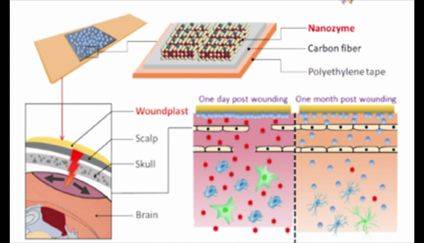
Precision and nanomedicine focus on clinically difficult issues such as cancer, nervous system diseases, diseases of the immune system, diseases of the respiratory/gravitational system, tissue/organ damage, and achieve mechanical understanding, pathological evolution and individualized precision treatment of major diseases through multidisciplinary and cross-disciplinary studies such as medicine, physics, chemistry, material science. Accurate diagnosis of disease, guided by precise classification of disease development processes, is carried out in conjunction with nanocoon, electrical analysis, micro-flow control, molecular probes, disease precision diagnosis and biomedical sensory studies; based on material biological effects, design and develop intelligent materials with good biological compatibility and bioactivity, develop new biomanufacturing techniques, study their behaviour and role in the life system and explore innovative treatment strategies for major diseases。
Ii. Transfer of results
Research by the medical department of tianjin university in the field of medical engineering has led to a complete system of autonomous intellectual property rights, including more than 100 national invention patents and international patents, and to major applications in the fields of clinical rehabilitation, human space and rescue medicine, reaching an international lead。
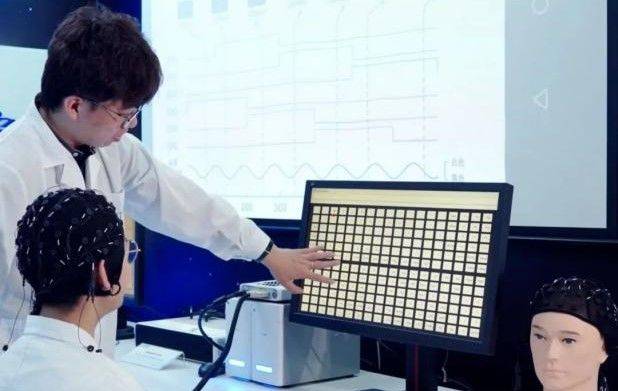
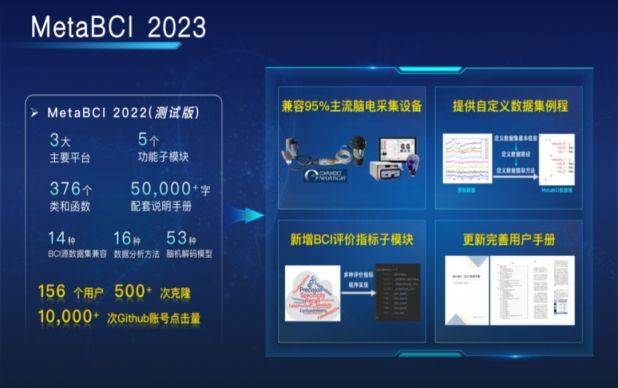
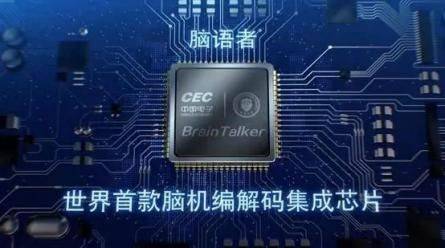
In the field of rehabilitation medicine, new types of artificial neuro-rehabilitation robotic systems have been designed, namely, the shinigami i (2014), the shinigami ii (2015) and tested through the national food and drug control authority (cfda), which have been successful in clinical testing in multiple hospitals, benefiting more than 3,000 patients; in 2021, the first self-developed “neuro-regulated machine extra-bones robotic robotic system”, which achieved a portable combination of the “in vitro artificial neuro-traffic” and the exoskeletal robotic system, which is suitable for the rehabilitation of the neurofunctional function of persons with intermediate lower limb motors. In the field of space medicine, in cooperation with the chinese astronauts centre, a space brain-engineer interactive technology test system was developed for our 2016 manned missions sky palace ii and shenzhou xi, the first international on-orbit in-orbit testing of brain-engine interactive technology space adaptation and the successful completion of a number of follow-up shenzhou manned missions. In 2019, the united china electronic information industries group released the world's first brain machine with full-owned intellectual property rights to decode the integrated chip “brain speakers”, which covers the priority applications of specialized medicine, rehabilitation medicine, brain recognition, neural feedback, signal processing and so forth. The chip, which was awarded the 2020 china prize for robotic science, is expected to provide important support for the sustainable development of the country's critical technology for brain-engineer interfaces. In 2023, a new code model for time-frequency-phase hybrid sites was developed, which successfully achieved 216 keys of high-speed spelling, creating a world record of the largest command set of international non-intrusive brain interfaces to date。
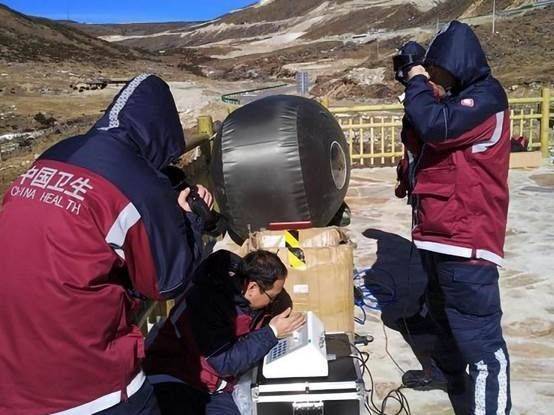
In the field of emergency medical care, self-research and development of the square-class hospital is carried out mainly for major disaster relief and emergency support. It consists of 8 medical modules, 8 inflatable tents and 12 guaranteed vehicles, with 50 beds and 40 daily surgeries and 300 sick and wounded, with a capacity equivalent to the level of level ii a hospital, and received the 2014 national prize for scientific and technological progress. The development of a high-voltage aerobics medical vehicle, which has the capability of boosting oxygen, communications command, medical treatment and livelihood security, addresses the acute highland response problems encountered by the rapid entry of the plain into the highlands and is awarded the first prize for scientific and technological progress in tianjin city in 2016. Self-research and development of trauma treatment equipment: portable blood purification machines, field amputation kits, etc., reduced size by 1/2 and weight by 1/3 compared to the hospital's large storoids, resolving the problem of insemination in the field, easy operation, rapid reliability and winning the second prize for scientific and technological advancement of the military in 2017. The development of the country's first emergency trans-shipment-type pulmonary oxidation equipment (hereinafter ecmo) and the successful treatment of dozens of sudden-mortem patients have been promoted in 12 tri-achille hospitals, which is expected to break the monopoly of foreign products in this area and achieve a major breakthrough in the autonomous development of the high-end ecmo in the country。
Scientific cooperation
In order to take full advantage of the resource advantages and direction of development, the ministry of medicine of tianjin university actively promotes the intersection of emerging medical and engineering disciplines. The medical department of tianjin university has a number of research platforms, such as the national priority laboratory for medical workers in conjunction with the national priority laboratory, the national major data research institute for health and health care of the health commission, the engineering research centre of the ministry of education for smart medicine and engineering, the centre for innovation in medical basic research and research of the ministry of neuro-heavy education, the priority laboratory of the department for emergency management of critical technical equipment for medical relief, the interconnection of brains with humans, the engineering centre for the interactive rehabilitation of smart humans in tianjin city, the tianjin centre for the study of brain and neural sciences, the critical technical laboratory for disaster medicine in tianjin city, the international joint research centre for neural engineering in tianjin city, the research centre for interactive smart medical engineering and engineering of tianjin city, and the centre for health emergency training in the five major categories of tianjin city. The team worked with the university of groningen, the netherlands, to establish a technological development base for the health of the elderly in china, to promote the integration of high-end intelligent technologies such as artificial intelligence, big data, and medicine; and with the china electronics and information industry group, to establish the national centre for the large data on health (pilot engineering) cloud brains, which promotes the integration, sharing and incubation of mass health data。
In addition, the medical department of tianjin university, in close collaboration with nearly 30 business enterprises, including the military academy of sciences, the chinese academy of medical sciences, the china disabled persons ' federation, the china astronauts centre, the first institute of china aerospace science and technology group, the fifth institute, the second institute of china aerospace engineering group, the third institute, the china electronic information industry group and the china electronics science and technology group, have set up a productive research and transformation base in tianjin and hog-fat, among others, in order to enrich access to employment. The winzhou institute for security (emergency) of tianjin university was set up in cooperation with the people's government of wenzhou to develop research incubators, conversion and industrialization in the field of emergency medicine. The ministry of medicine has also worked closely with a number of high-level affiliated hospitals and medical centres to establish a two-way collaborative mechanism for practical and comprehensive cooperation in the field of integration of medical workers。