01
What is intellectual property
Intellectual property rights are the legal exclusive rights of citizens, legal persons or other organizations in the field of science and technology, or in the field of culture and art, to the intellectual results of creative work. The three most important types of intellectual property are copyright, patent and trademark rights. The english language of intellectual property rights is “intellectual property” and is also translated as intellectual property rights, intellectual property rights or intellectual property rights。
02
Types of intellectual property
There are two main types of iprs: copyright (also known as copyright, literary property) and industrial property (also known as industrial property)。
01
Copyright
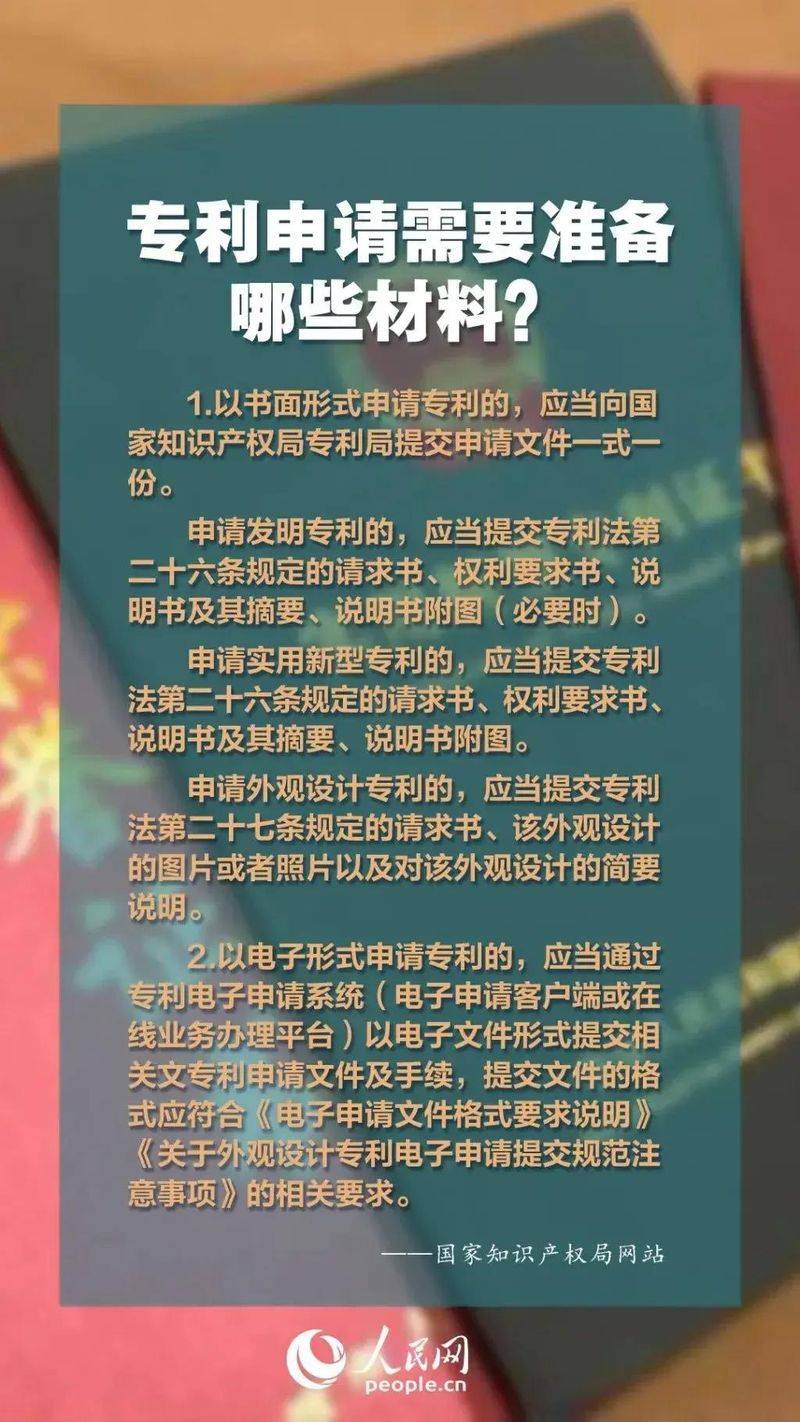
Copyright, also known as copyright, is the general title of the property and moral rights enjoyed by natural or legal persons or other organizations in respect of literary, artistic and scientific works under the law. This includes mainly copyright and neighbouring rights related to copyright; usually, we refer primarily to intellectual property rights in computer software and registration of works。
02
Industrial property
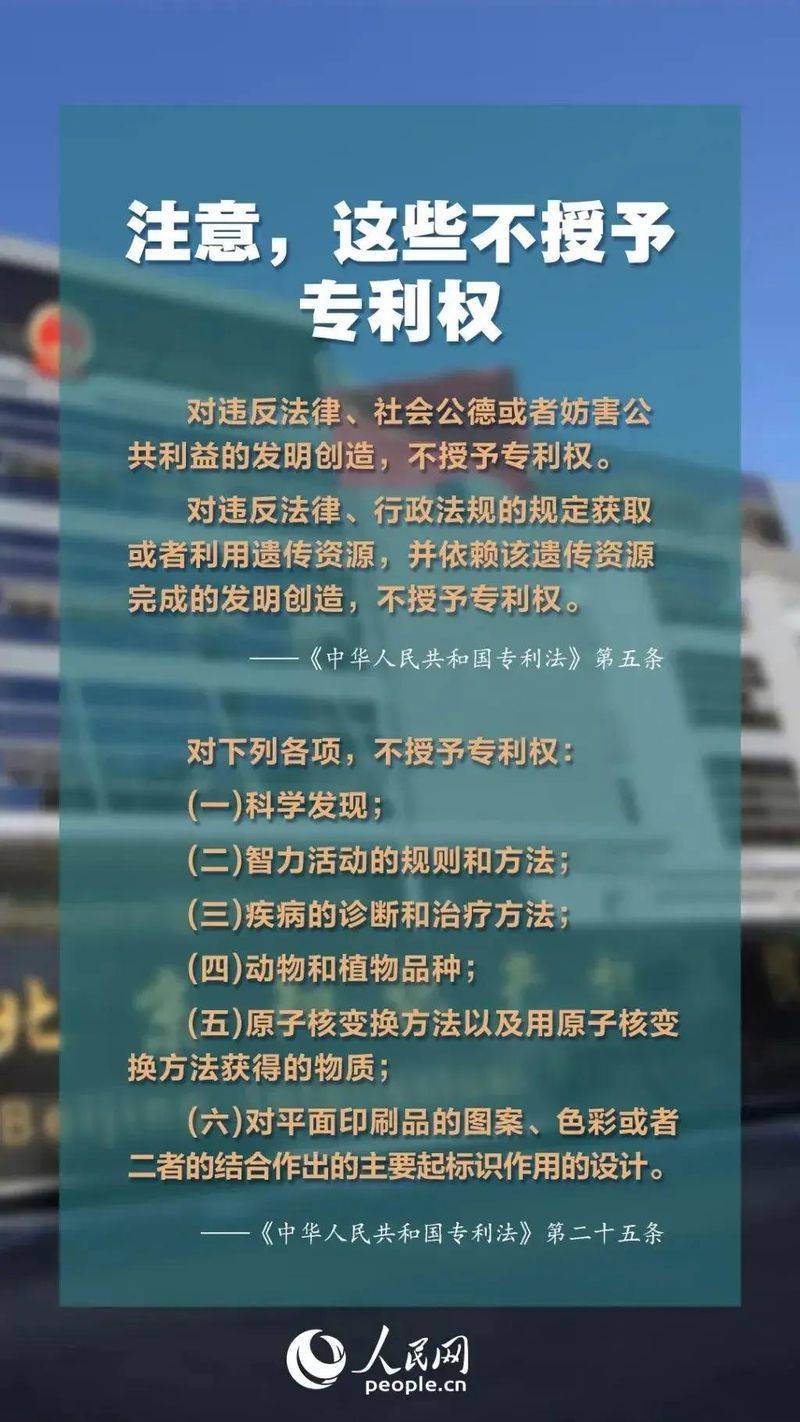
Industrial property rights, in turn, are an intangible property right of practical economic significance in industry, commerce, agriculture, forestry and other industries, including mainly patent and trademark rights。
03
Characteristics of intellectual property
(i) ownership
That is, exclusive or monopolistic, and no person other than the holder of the right may enjoy or use it except with the consent of the holder or in accordance with the law. This suggests that the exclusive rights of the holder of the right are strictly protected by law from violation by others. Only legal procedures such as “compulsory permits”, “expropriation”, can alter the exclusive rights of rights holders。
(ii) geographical
That is, within the territory recognized and protected, a right protected by the law of a state produces legal effects only within that state, except in the case of an international convention or bilateral reciprocity agreement. Thus, intellectual property rights are both geographical and, under certain conditions, international。
(iii) timeliness
That is to say, only a specified period of protection, the legal protection of rights, the duration of protection may be uniform or not identical in national laws, and a single period of protection of a right may exist only if an international agreement or application is made。
04
Importance of intellectual property protection
Importance of the state
General secretary xi pointed out that innovation was the first driving force for development and that the protection of intellectual property rights was the protection of innovation. The intellectual property system, as a fundamental safeguard to stimulate innovation, contains three important mechanisms in itself. First, it is a new type of property rights arrangement mechanism that, by granting property rights to innovative outcomes, identifies the right of the subjects of innovation to have legitimate control over and use over the results of innovation, and the right to transform the benefits of innovation through the transfer of results; second, it is an innovation incentive that inspires innovation by legally protecting the legitimate interests of innovators; and, again, it is an effective market mechanism that establishes licensing rules for the intangible character of intellectual property rights, allowing them to be easily transformed, to produce benefits, to promote development, to realize a virtuous cycle of investment in innovation and the return of innovation, and to address the issue of the “last kilometre” of scientific and technological output to real productivity。
Meaning to business
Increased intellectual property protection ensures the security of business operations. Most enterprises, particularly those of a scientific and technological nature, are at the forefront of science, technology and innovation, producing products suited to market demand through research and development. Increased protection of intellectual property rights (iprs) enables enterprises to enjoy exclusive market benefits from the loss of iprs, to avoid the risk of infringement and to ensure the safety of their operations; to ensure the safety of their research and development inputs; to obtain a timely understanding of the state of intellectual property rights (iprs) in their areas of origin through the analysis and use of intellectual property information; to avoid infringement of the rights of others in their first place; to waste human, material and financial resources; to increase the value added to their product markets by enhancing ipr protection; to improve their image, market competitiveness and even market pricing by producing and selling autonomous iprs products; and to enhance the position of ip protections in joint ventures and business negotiations by increasing the position of enterprises in joint ventures and commercial negotiations。
Meaning to the individual
The protection of intellectual property rights facilitates the mobilization of people for scientific and technological research and artistic creation. The intellectual property protection system is dedicated to protecting the intellectual achievements of rights-holders in the scientific, technological and cultural fields. Only timely and comprehensive protection of the intellectual achievements of rights-holders and their legitimate rights can mobilize creative initiatives and promote the optimal allocation of social resources。
05
What are the criminal offences against intellectual property rights
(i) counterfeiting registration of trademarks
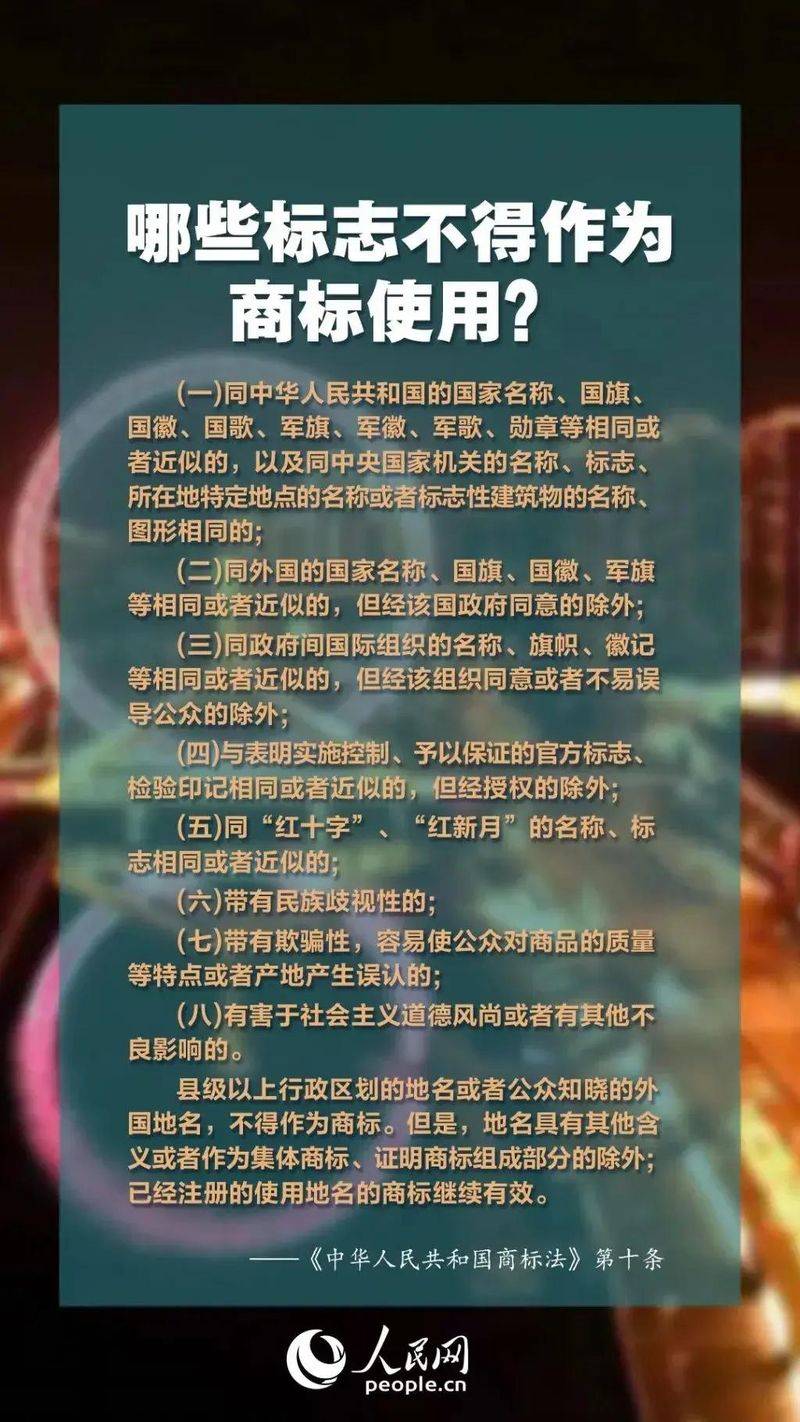
The use of the same trademark on the same goods and services as the registered trademark without the permission of the owner of the registered trademark shall be punishable by imprisonment for a term not exceeding three years or a single fine in serious cases, and by imprisonment for a term not exceeding three years and not exceeding ten years in particularly serious cases。
(ii) sale of goods for counterfeit registered trademarks
The sale of goods that are known to be counterfeit registered trademarks, the proceeds of which are larger or other serious offences, shall be punishable by imprisonment for a term not exceeding three years and a fine or a single fine; if the proceeds of an offence are substantial or other particularly serious offences, the penalty shall be imprisonment for a term not exceeding three years and not exceeding ten years。
(iii) illicit manufacture and sale of illicitly manufactured registered trademark marking offences
Forgery or unauthorized manufacture of a registered trademark or sale of a forged or unauthorized trademark shall be punishable by imprisonment for a term not exceeding three years and a fine or a fine of not less than ten years if the case is serious. If a person forges a patent and the circumstances are serious, the penalty shall be imprisonment for a term not exceeding three years or detention, with or without penalty。
(iv) offences against copyright
For the purpose of profit, one of the following violations of copyright or rights relating to copyright is punishable by imprisonment for a term not exceeding three years or by a single fine if the offence is committed in the following cases:
1. The reproduction and dissemination to the public, through information networks, of works of writing, music, fine arts, audio-visual works, computer software and other works provided for by law and administrative regulations, without the authorization of the author
The publication of books in which other persons have exclusive publishing rights
(iii) the reproduction and dissemination to the public, through information networks, of audio-visual recordings produced by them without the permission of their producers
Reproduction and distribution of audio and video recordings of performances without the permission of the performer or their dissemination to the public through information networks
5. Production and sale of works of art forged under the signature of others
6. The technical measures taken by the author to protect copyright or rights related to copyright are deliberately avoided or undermined without the consent of the author or rights holder。
(v) sale of replicas
Any person who, for profit, sells a product known to be a replica of a violation provided for in article 217 of this law, and who earns a substantial or other serious offence, shall be punished by imprisonment for a term not exceeding five years, or by a single fine。
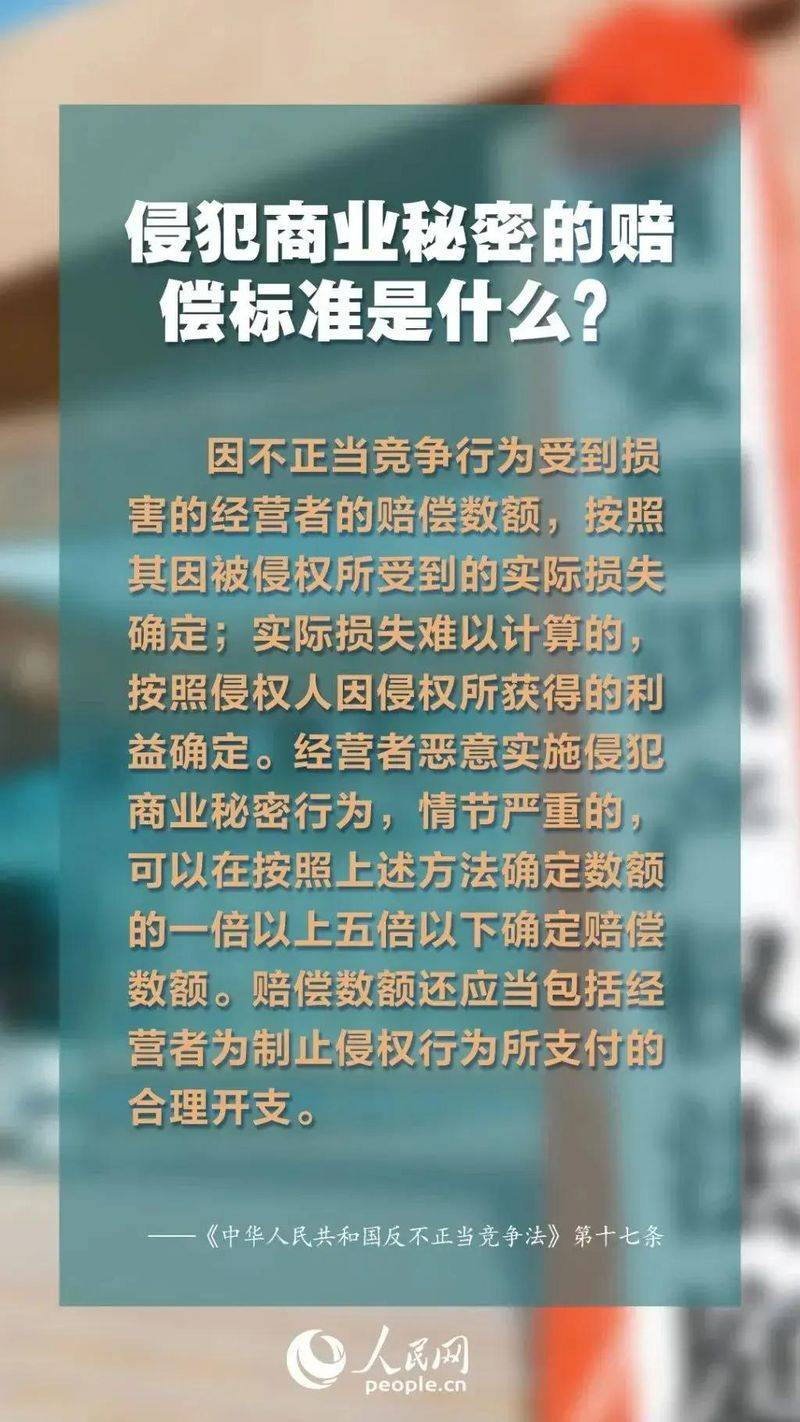
(vi) crimes against trade secrets
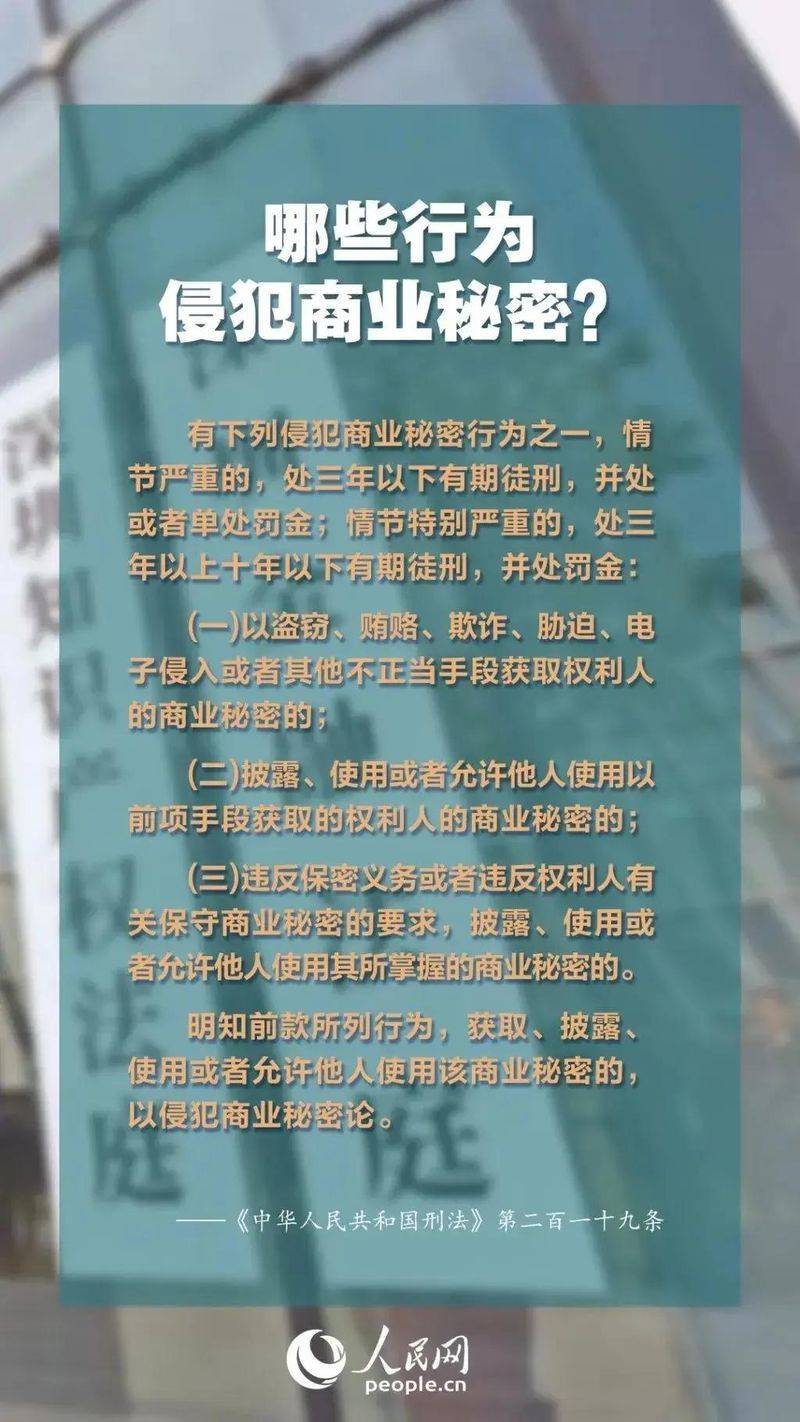
One of the following offences against trade secrets, if serious, is punishable by imprisonment for a term not exceeding three years, or by a single fine, and in particularly serious cases by imprisonment for a term not exceeding three years and not exceeding ten years
1. The acquisition by theft, bribery, fraud, coercion, electronic intrusion or other improper means of the trade secret of the person entitled
(ii) the disclosure, use or permit of the trade secrets of persons entitled by the prior means
The disclosure, use or authorization of the use of a business secret held by a person in violation of the duty of confidentiality or of the right holder's requirements for the preservation of a business secret。
The doctrine of commercial secrecy is infringed by obtaining, disclosing, using or allowing the use of the trade secret in the knowledge of the acts listed in the preceding paragraph。
For the purposes of this article, entitled persons are the owners of commercial secrets and the users of commercial secrets licensed by the owners of commercial secrets。
Anyone who steals, spies, buys or illegally provides commercial secrets for institutions, organizations, persons outside the country shall be punished by imprisonment for a term not exceeding five years and by a fine or a single fine; in serious cases, by imprisonment for a term not exceeding five years and a fine。
(vii) penalties for offences against intellectual property
If a unit commits an offence under articles 213 to 219 of this section, it shall be liable to a fine and to the penalties laid down in the articles of this section for the persons in charge and other persons directly responsible。
A sweet hint
Innovation is driven and intellectual property is key。
Innovations are declared and illegal use is prohibited。
Original creations must be protected and stolen。
Software design is regulated and the production of pirated copies is prohibited。
Mark marks are to be maintained and impersonated。
Business secrets are kept and business information is not disclosed。
The legal limits must be kept strict, and tort crimes could not be committed。
Self-innovation for development and fair competition for win-win。
These intellectual property rights protect knowledge, you know