World intellectual property day 25 april 2025, national intellectual property week 20-26 april, and the theme of this year's national intellectual property awareness week was “intellectual property and artificial intelligence”。

World intellectual property day was established by the world intellectual property organization on 26 april 2001 and it was decided to designate 26 april of each year as world intellectual property day, starting in 2001, with the aim of creating a worldwide awareness of respect for knowledge, science and the protection of intellectual property rights, as well as a legal environment that encourages intellectual innovation。
I. Why protect intellectual property rights?
Intellectual property rights are the protections provided by law for the creation of knowledge, including, inter alia, patents, trademarks, copyrights, trade secrets, geographical indications, etc. They are important outcomes of innovation and an important source of wealth for businesses and individuals。
Ii. What does intellectual property include
Article 123 of the civil code, which was in force on 1 january 2021, states: “civil subjects enjoy intellectual property rights in accordance with the law. Intellectual property rights are the exclusive rights of the right holder under the law in respect of: (i) works; (ii) inventions, practical novelty, visual design; (iii) trademarks; (iv) geographical indications; (v) trade secrets; (vi) designs of integrated circuits; (vii) new varieties of plants; and (viii) other objects provided for by law.”
Characteristics of intellectual property
(i) ownership
That is, exclusive or monopolistic, and no person other than the holder of the right may enjoy or use it except with the consent of the holder or in accordance with the law. This suggests that the exclusive rights of the holder of the right are strictly protected by law from violation by others. Only legal procedures such as “compulsory permits”, “expropriation”, can alter the exclusive rights of rights holders。
(ii) geographical
That is, within the territory recognized and protected, a right protected by the law of a state produces legal effects only within that state, except in the case of an international convention or bilateral reciprocity agreement. Thus, intellectual property rights are both geographical and, under certain conditions, international。
(iii) timeliness
That is to say, only a specified period of protection, the legal protection of rights, the duration of protection may be uniform or not identical in national laws, and a single period of protection of a right may exist only if an international agreement or application is made。
Why protect intellectual property rights?
For the state: innovation is the first driver of development, and protection of intellectual property rights is protection of innovation. The full modernization of china must be promoted, and intellectual property protection must be improved。
For enterprises: increased protection of intellectual property rights (iprs) can allow them to enjoy the market benefits of iprs, avoid the risk of infringement and ensure the safe conduct of business。
For individuals, the protection of intellectual property rights mobilizes people's creative initiative and promotes the optimal allocation of social resources。
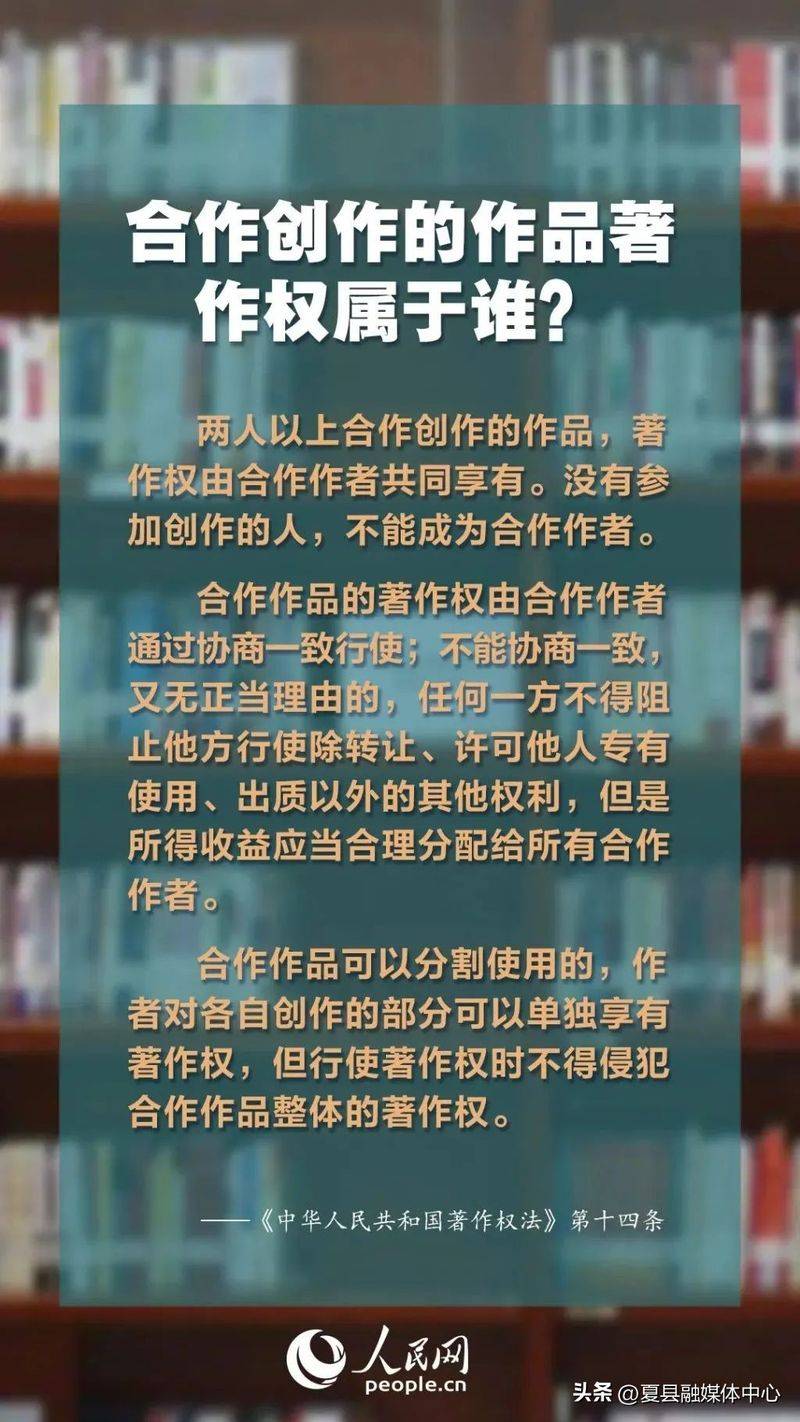
Copyright: the right to sign, modify and protect the integrity of a work is protected for an unlimited period of time, the right to publish and other property rights for citizens for life and 50 years after death, and the legal person for 50 years after publication. Copyright on computer software is 25 years old。
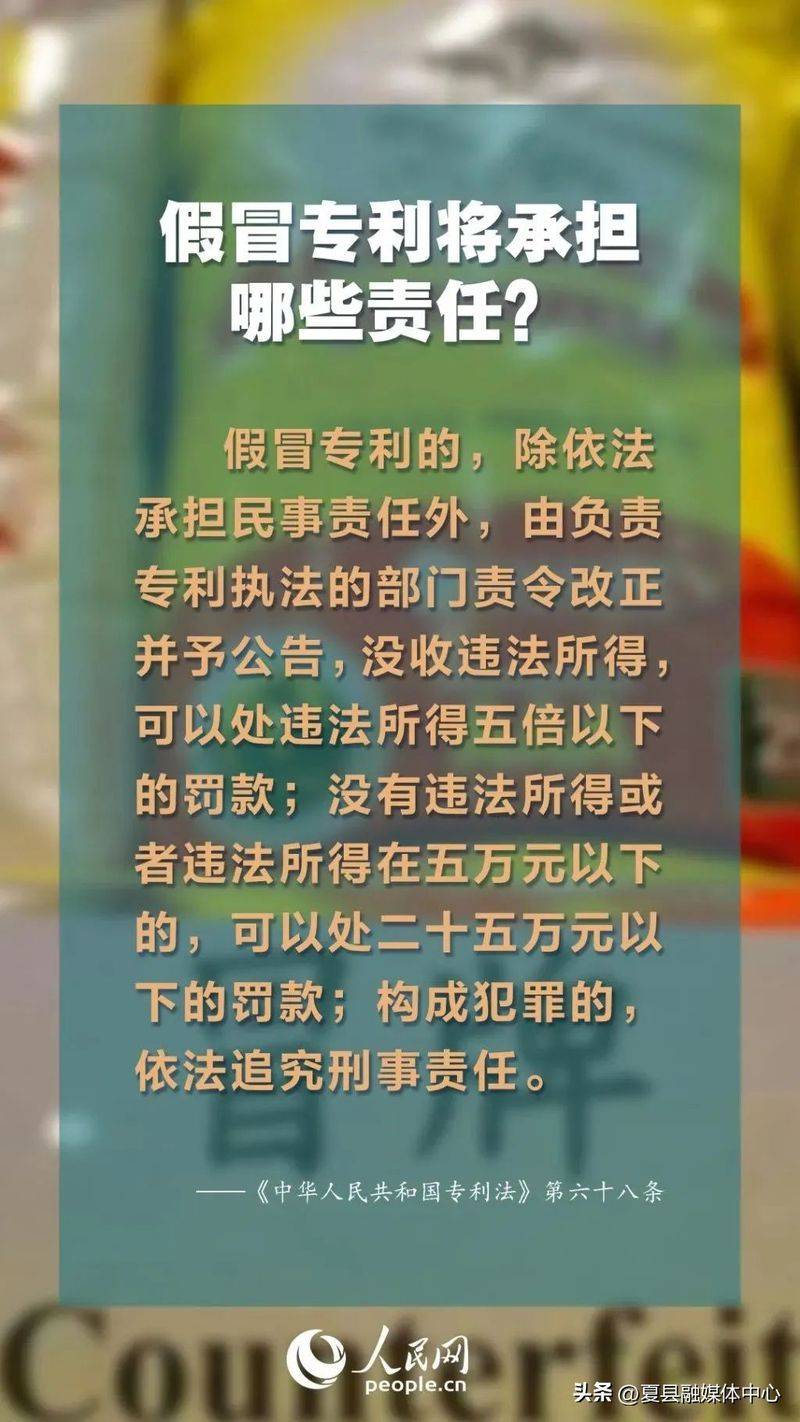
Patent rights: the duration of patent protection for inventions is 20 years, the duration of patent protection for practical new types is 10 years and the duration of patent protection for visual design is 15 years, calculated from the date of application。
Trademark rights: the duration of protection of registered trademarks is 10 years, starting from the date of approval for registration。
Limitations on intellectual property rights
Intellectual property rights protect the creativity and innovation of citizens and legal persons, but are also subject to certain restrictions. In certain statutory cases, non-ipr rights holders may use works or patents. For example, the reasonable use of a work, the study of research or appreciation by an individual, free performances, appropriate quotations for the presentation of a work may not be paid without the permission of the author, but the author's name and the name of the work should be indicated. For example, compulsory licences of patents may be licensed by the applicant in cases where the patent is not fully implemented, involves a monopoly or is in the public interest and public health。
Vi. What are the main impacts of creating awareness of intellectual property rights protection on productive life?
Protection of intellectual property rights seems to be distant from ordinary people's lives, but is, in fact, closely linked to all areas of our productive lives. For example, as a consumer and an operator in the retail trade, care should be taken to identify the identification of goods and to prevent the procurement of counterfeit and hypocritical products that mimic the trademarks of others. In particular, operators should pay more attention to choosing the formal channels of entry and retaining the relevant documentation; artists should be copyright-conscious, register their own creations in a timely manner, others cannot “leave” their work, and use the work of others in a reasonable manner, avoiding disputes or losses caused by “copying” and “to be copied”; and technology developers should focus more on research and development, protecting both hands, and applying for patents in a timely manner so that research is not misused by others。
How can intellectual property be protected?
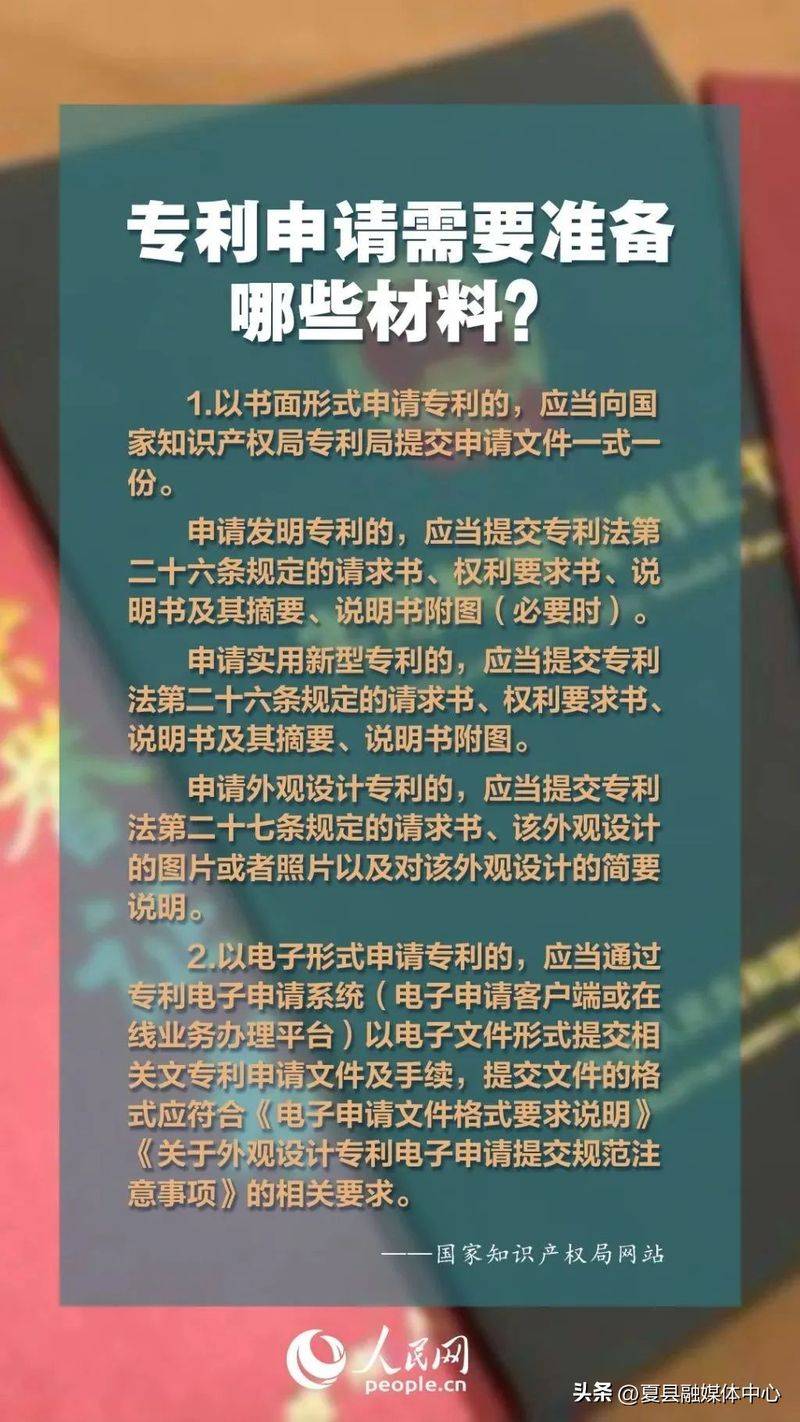
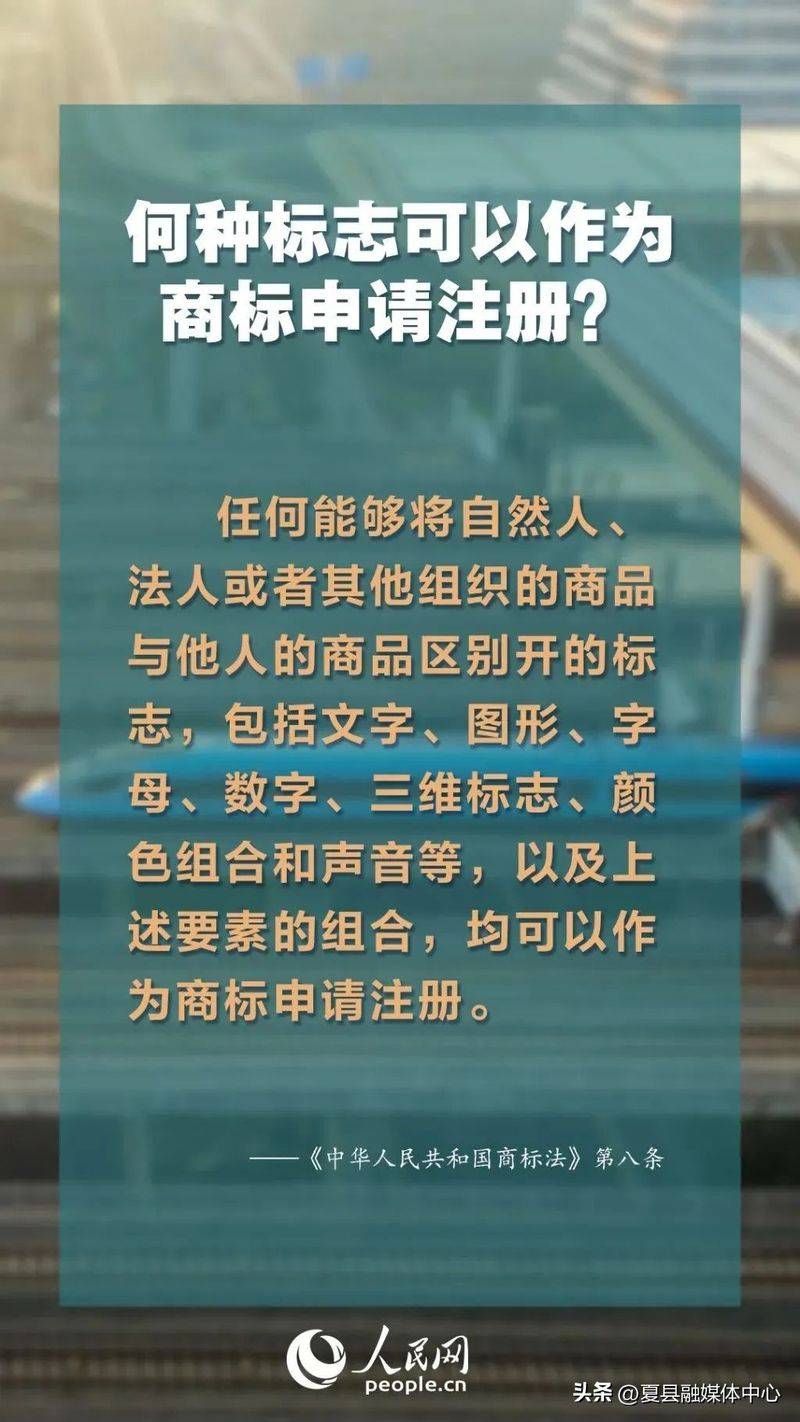
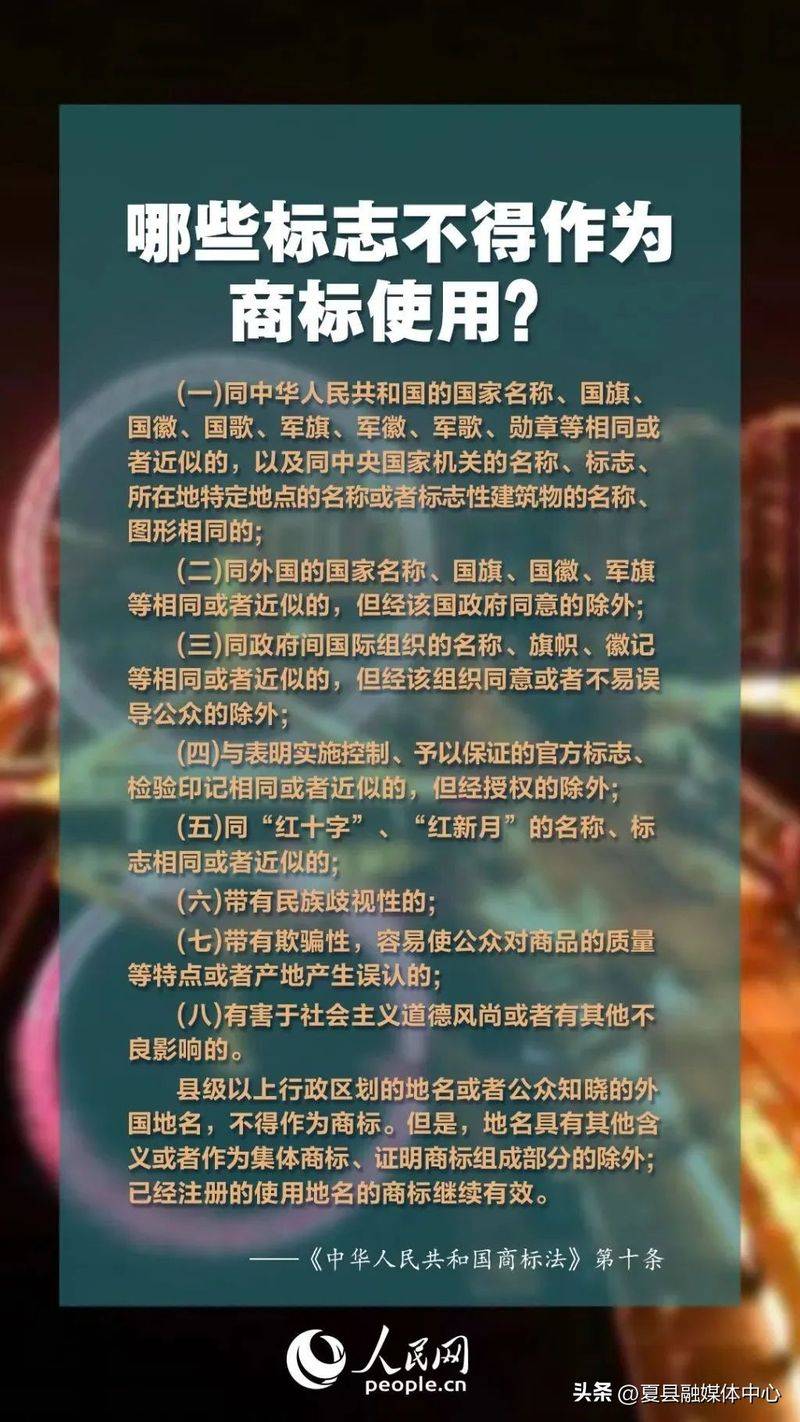
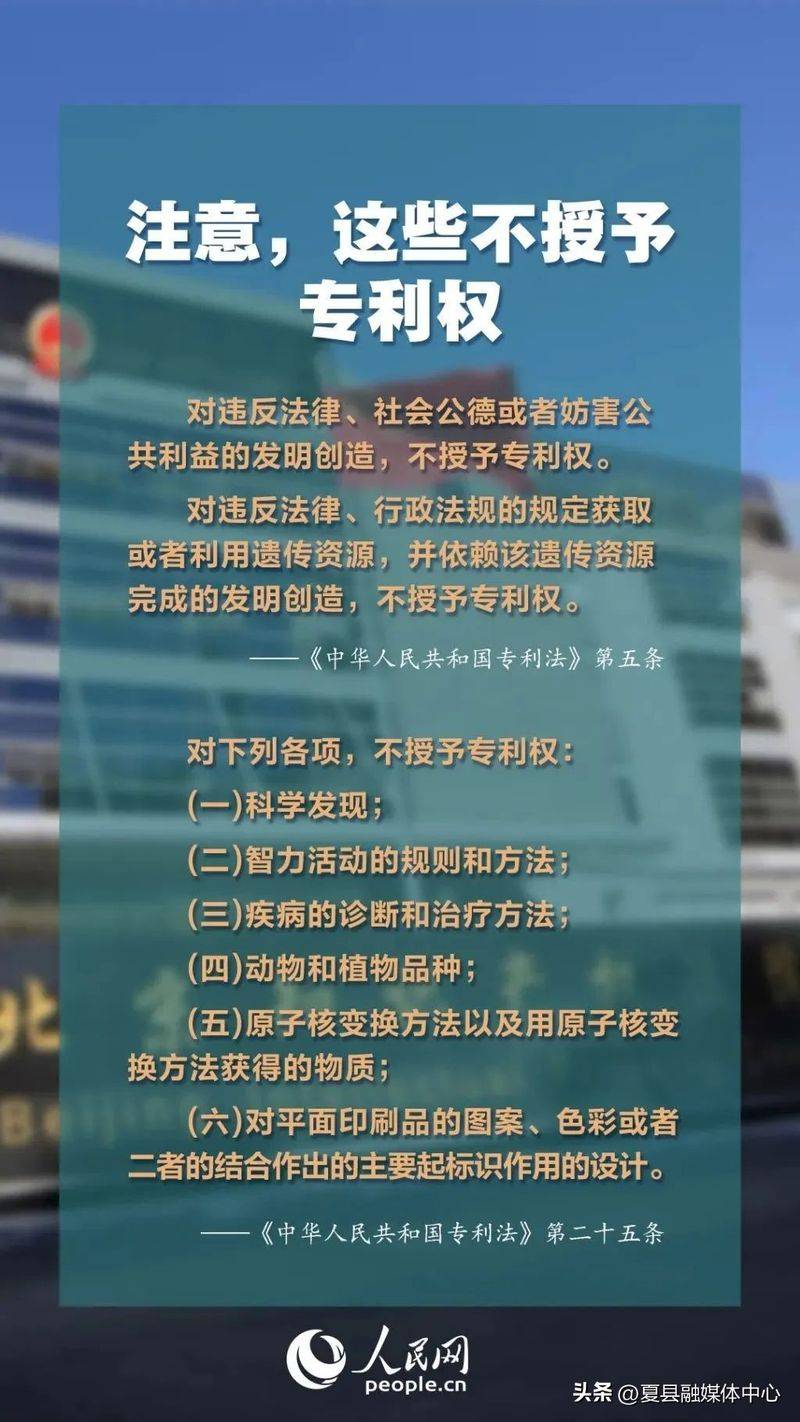
1. Registered patents and trademarks. Patents and trademarks are the most common forms of intellectual property, and enterprises and individuals can protect their innovations and brands by registering patents and trademarks, which require application to the relevant institutions for approval before they can be protected。
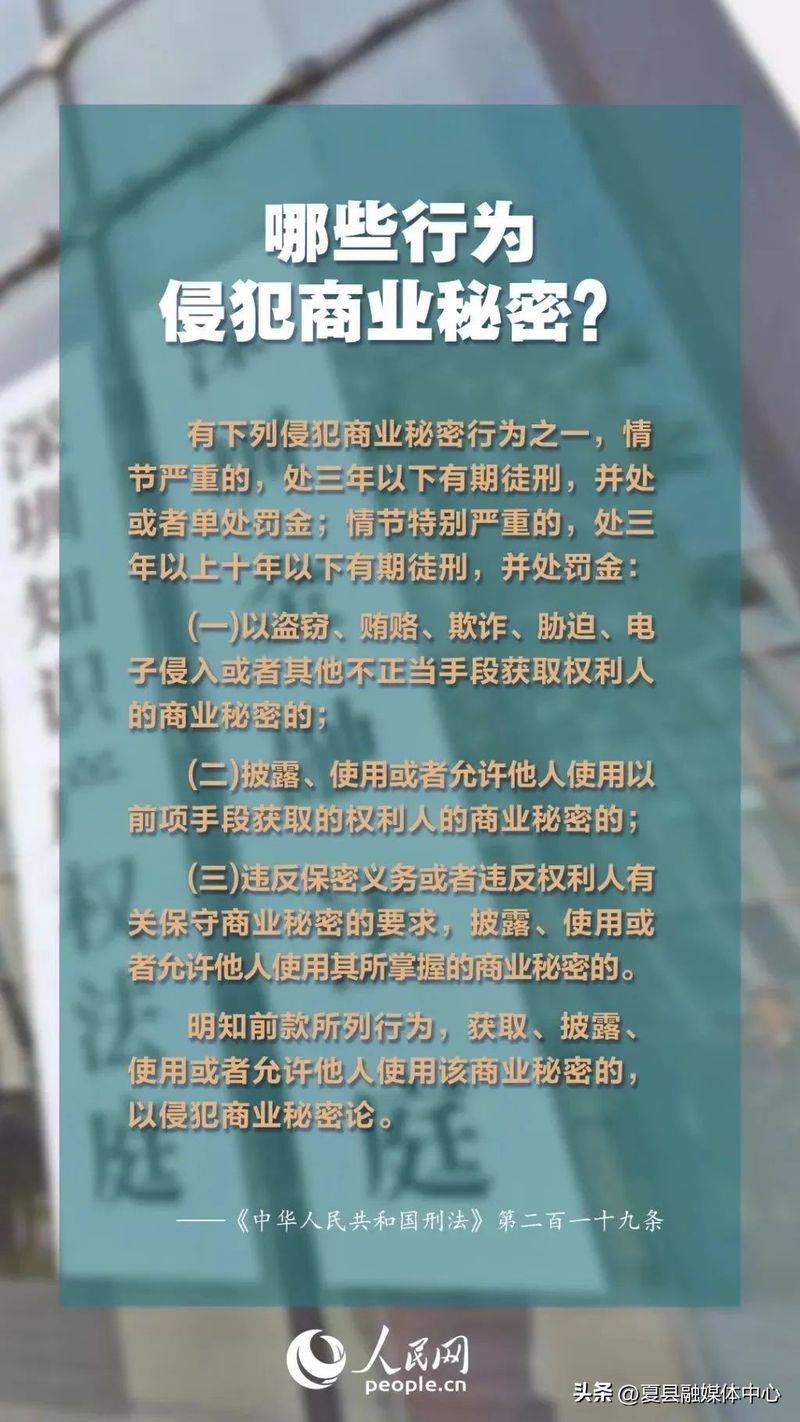
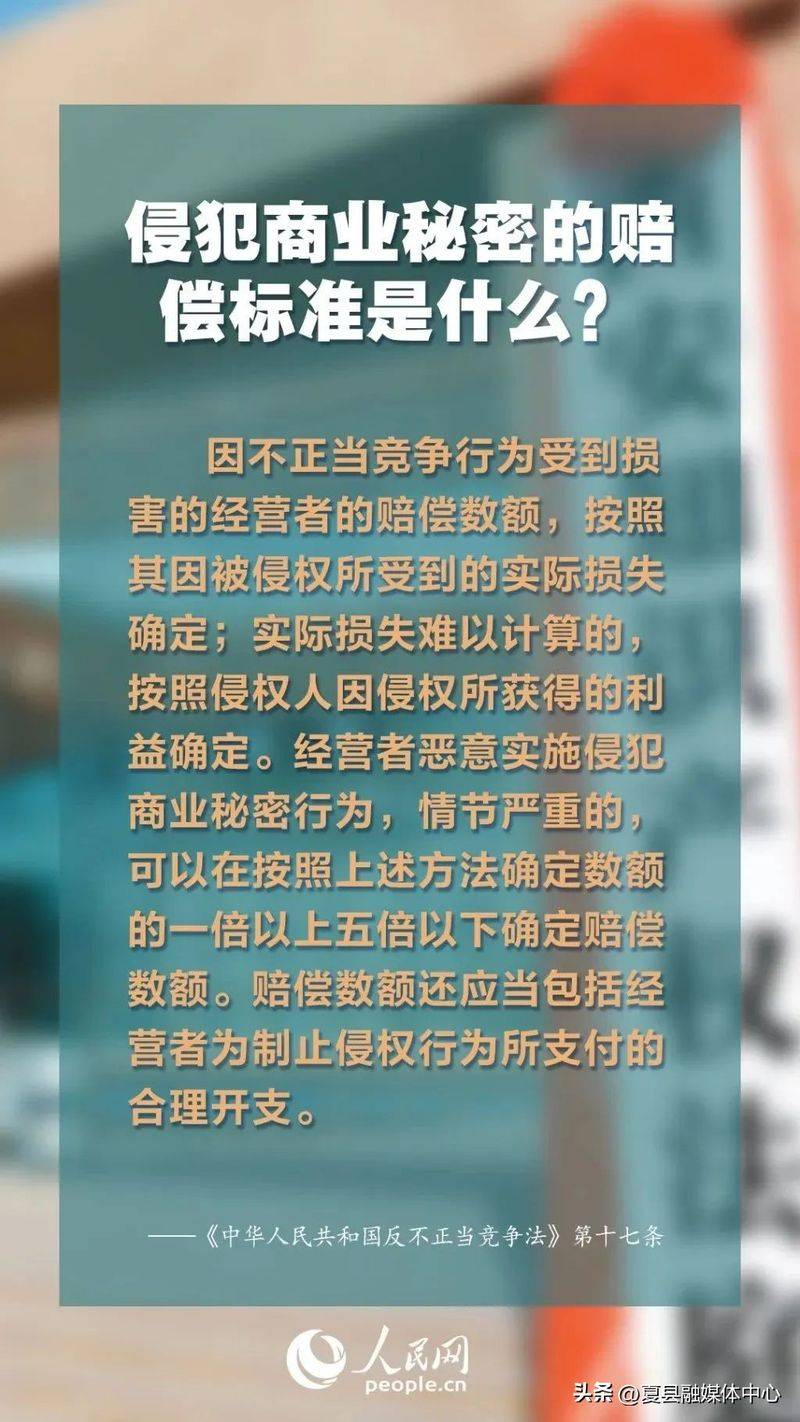
2. Establishment of a system for the protection of commercial secrets. Business secrets are a variety of commercial secrets generated in the course of business operations, including technical secrets, business plans, customer information, etc. Businesses can protect their business secrets from disclosure and exploitation through the establishment of confidentiality regimes, the conclusion of confidentiality agreements and restrictions on the separation of employees。
3. Compliance with copyright legislation. Copyright is a form of intellectual property protection for literary, artistic and scientific works. Businesses and individuals who engage in literary, artistic or scientific creation are required to comply with copyright regulations, such as the right to apply for copyright, to clarify the scope of copyright and to respect the copyright of others, in order to ensure that their creation is legally protected。
4. Strengthen intellectual property management and protection awareness. Businesses and individuals should strengthen intellectual property management and protection awareness, such as developing intellectual property protection schemes and strengthening internal management. Strict control over the dissemination and use of information, etc., to ensure the safety and protection of intellectual property rights。
Viii. What are the main violations of intellectual property rights
Unauthorized use of the same or similar trademarks, distinctive signs, patents, works and other creations in production, operations, advertising, propaganda, performances and other activities; forgery, unauthorized manufacture of the same or similar trademarks, signs or sales of forged or unauthorized trademarks, trademarks, signs; disguised use of the same or similar trademarks, special signs, patents, works and other creations; unauthorized registration of and websites, domain names, place names, buildings, structures, premises, patents, works and other creations in enterprises, social associations, undertakings, private non-enterprises, etc., and use of the same or similar trademarks, special signs, patents, works and other creations in names such as premises, storage, transport, mail, concealment, etc. In violation of the relevant national laws and regulations。
What laws and regulations exist for the protection of intellectual property rights?
The law of the people's republic of china on the protection of intellectual property rights and the rules on the application of the law of the people's republic of china on patents and the regulations on the protection of the design of integrated circuit charts and the regulations on the collective regulation of copyrights and the regulations on the application of the trademarks act of the people's republic of china and the application of the trademarks act of the people's republic of china, the regulations on the application of the copyright law of the people's republic of china, the regulations on the protection of computer software and the regulations on the customs protection of intellectual property of the people's republic of china, the customs administration of the people's republic of china on the protection of intellectual property and others。
X. Consequences of violations of the intellectual property act?
Article 40 the forgery or unauthorized manufacture of a registered trademark, or the sale of a forged or unauthorized trademark, constitute an offence for which criminal liability is established in accordance with the law, in addition to compensation for damages suffered by the victim. The sale of goods that are known to be fraudulently registered trademarks constitutes an offence for which criminal liability is established in accordance with the law, in addition to compensation for the loss of the victim。
These intellectual property rights protect knowledge, you know