“we have closed two or three pharmacies on the commercial street last year. Even so, there is now a pharmacy every few dozen metres, and daily supplies such as rice, noodles, oil, eggs, toilet paper, water cups and so forth are usually bought for customers.” as a result of diabetes, ms. Guo, a resident of changsha, who is in need of medication, knows the nearby pharmacy chain。
In their research, the daily securities journaler found that in recent years there had been increased competition in the chain of pharmacies, and that the era of profit had come to an end. With the burgeoning of the industry, resources have continued to accumulate towards leading firms on the one hand, and leading firms on the other are trying to take the lead in diversifying development。
Small and medium-sized pharmacies have missed the "best times."
“in terms of the price of medicines, it is cheaper to be a civilian, to have a pharmacies, to have small and medium-sized pharmacies, to have a few small pharmacies that offer a lot of gifts, but some of them are not practical.” ms. Guo said to a journalist in the securities journal。
Journalists made random visits to an unlisted pharmacy, where the clerk stated that “a bag of rice is given after 200”. In a chat, the shopkeeper stated to the daily issuer of the securities journal: “the business is not as good now as it was before, it is too competitive and the flow of passengers has declined markedly, but the rent is still paid”
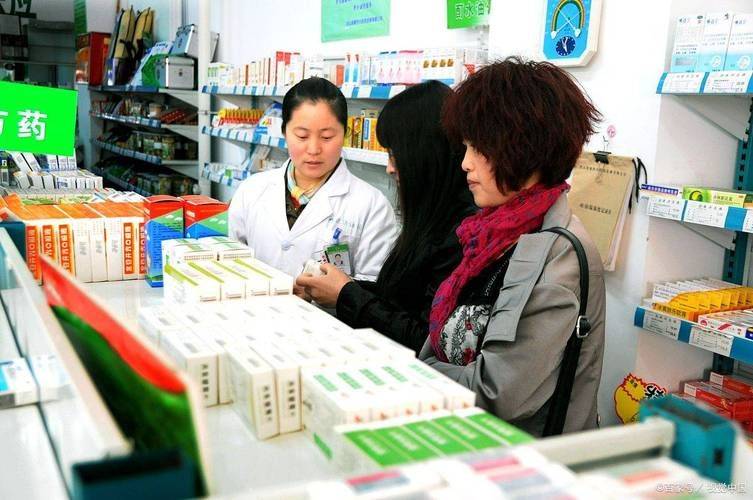
The cruel reality and the above-mentioned statements confirm each other. Three unlisted pharmacies have been shut down in the region where journalists are located for a year. In an interview with the journal of securities, an executive secretary of a proposed listing chain of pharmacies said: “the pharmacies that had been operating in previous years have been profitable and are now very cautious in the selection of sites for both listed and non-listed enterprises, and the cycle has become significantly longer”
Along with the end of the era of “business as profit”, there was also the golden period of “sitting prices” for small and medium-sized pharmacies. In 2018, the leading pharmacies of several large chains of listed companies accelerated the country-wide run-off with strong capital, and in this context, the premium on the purchase of the purchase price also increased. The chairman of a listed company had complained at a shareholder's meeting: “some small and medium-sized pharmacies have been named by their owners, and no other negotiators, except the chairman himself, and merger negotiations are too expensive.”
Mr. Zhang, a small and medium-sized pharmacist, was even more regretful when he was interviewed by the daily securities journal. “a company that was listed for the purchase of my pharmacies, and i felt that the prices of mergers and acquisitions with some other pharmacies were not too satisfactory, and that the pharmacies were well cashed, and i thought it would be a good idea to collect money at home
The above-mentioned chain of pharmacies indicates that the industry’s inner volume is indeed on the rise. “as the country's health system advances, policies have been put in place that have objectively increased the competition for the chain of pharmacies, but have led to optimal allocation of resources and the upgrading of industries.”
“the state has also put in place a number of pro bono policies to benefit the chain of pharmacies, such as the lifting of distance and size restrictions in several provinces. In addition, `twinway' management, prescription outflows, and long-term prescription management have incorporated chains of pharmacies to take advantage of their potential advantages. According to policy projections, as pharmacies are opened up, prescription drugs in pharmacies can effectively reduce operating stress and cost costs and change the recovery cycle for the cost of new dispensaries.” supplementary to the secretariat。

She argued that, in the broader policy environment, differential competition would gradually diminish in some respects, such as the convergence of basic pharmacist products such as prescription drugs, large brands, collectivated varieties, etc., but that it was more evident that the differentiated competition would be home-grown, health service capabilities, slow disease management capabilities, etc。
In this context, the twin advantages of empirical deposition and capital accumulation by leading firms have led the way out of the inner circle in the increasing trend of industrial competition. Public data from the national drug authority show that between 2011 and the first quarter of 2021, the number of pharmacies in the country increased from 4. 24 million to 561,000, and the number of chains increased from 147,000 to 3191 million, with the chain rate rising from 34. 67 per cent to 56. 88 per cent, a significant increase. In addition, cmh data show that in 2020, the number of shops chained up by 15. 8 per cent of the country's total population accounted for 40. 9 per cent of the national drug retail market, an increase of 3 percentage points over 2018。
The industry is being pushed back and forth
In addition to the insides of the chain of pharmacies, the internet-opened retailing of medicines has had some impact on the industry. In an interview with the daily securities journal, the chairman of a proposed pharmacy chain company said: “as new online retailing continues to develop, consumers have become more and more open to shopping, a pattern of consumption that has hit real pharmacies to some extent, and has forced them to accelerate their transformation.”
Roque, director-general of the pharmacy, stated to the daily securities journal reporter that, in order to adapt to the development of the internet, the company had set up a new retail division, working simultaneously on the btc and oto plates, and had set up a healthy oto-to-home programme to make it easier for consumers, while actively exploring the area of telegraphers of interest。
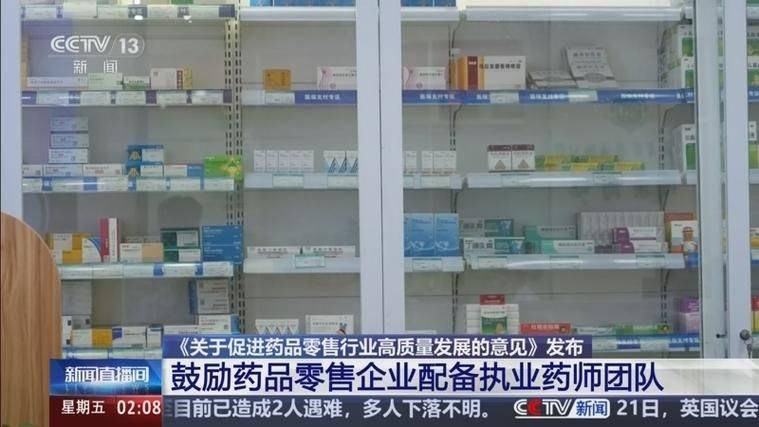
From below-line collection of customers to on-line traffic, the pharmaceutical electrician has become a veritable forum for head-to-head pharmacies listing companies. The biannual reports of the general public show that companies work strategically with telegraphs to enable new retail business developments. In the first half of 2021, online sales by companies amounted to $300 million, an increase of 200 per cent over the same period, exceeding the year 2020。
The leafing pharmacy biannual report shows that companies bring constant and incremental orders and passenger flows to underground stores through the use of the good health app, small program marketing, etc. During the reporting period, the corporate internet business earned $505 million in sales, of which o2o earned 67. 02 per cent, or 139. 89 per cent, compared with the same period, and b2c earned 32. 98 per cent, or 40. 55 per cent。
In an interview with the daily securities journal, a voucher medical analyst stated that internet medicine and pharmacies were competitive and that the entry of pharmaceutical electric operators accelerated the integration of the industry, the speed of prescription outflows and the long-term profit chain. “in the short term, pharmaceutical electricians and internet medicine have had little impact on payment routes, cash flows and supply chains, and the leading pharmacies have seized new opportunities in the out-of-house market, boosted new retail sales, made full use of the under-line shop layout, opened up o2o operations, seized online market share, and accelerated industrial concentration.”
The analyst stressed that medicines were standard but that the process of buying drugs was not standard. “... In the long run, pharmacological services are a downward barrier to the chain of pharmacies, distinguishing them from the characteristics of other consumer goods — strong regulation, trust items, information asymmetries and risk aversion — which determine the higher barriers to pharmacological services. Services such as drug counselling, offline experience and health education will continue to increase consumer loyalty and buy-back rates and to lock in the moats of the pharmaceutical store brand.”