"doctor, i don't want to cure it. It really hurts." at the clinic, 55-year-olds covered their ass and their faces were red. Two months ago, he was diagnosed with anal fistula because of repeated “packages” and puss. Conservative treatment is ineffective and doctors recommend surgery. But when he thought of the descriptions of "suspicious life" on the internet, "sitting and lying" and "sitting and lying," the whole crowd retreated:
“is an anal fistula more painful than having children?” “is it going to hurt for many days?” “can we hold back without a knife?” many of the anal fistula patients are talking back and forth between fear of pain and fear of deterioration. Is an anal fistula really as scary as the legend? Where does the pain come from? Is there any way to alleviate it
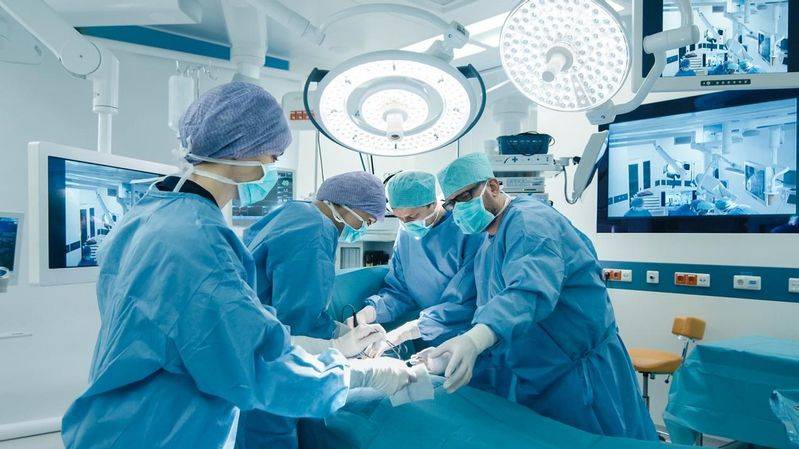
If you or your family are hesitant about surgery, the next thing you know, it's worth watching. To begin with, the conclusion is that, in an anaesthesia, the vast majority of people have little pain in the course of surgery, and that what is really painful is the pain in their mouths and defecation a few days after the surgery。
Why does it hurt
The anus is covered with nerve endings, one of the most densely populated areas of the body and is particularly sensitive to pain. The majority of anal fistula operations are open-face operations, which require the complete opening or removal of the fistula, exposing the “hidden source of infection” and leading to a clean flow. The pain can be magnified several times by urinating wounds, combined with the contraction of the anal staves。
But this does not mean “everyone is in pain to collapse”. Doctors will choose the appropriate americ, aluminum or ablution, depending on the condition and the threshold of pain, and some hospitals will combine multiple modes of pain, such as oral painkillers + local ephemeral gels, which many describe as “sufferable pain” “better than thought”。

These types of pain are most common after surgery
Insisting on the operation will significantly ease the pain after 7 to 14 days, with approximately 4 to 6 weeks of basic healing。
It is common to have these feelings: static blunt pains, depressions: more than one to three days after the surgery, more visible, usually controlled by oral painkillers。
Stinging and burning during defecation: many say “one line is the same as a fight”, but it usually decreases dramatically within minutes. The pain will diminish day by day as the noodle heals。
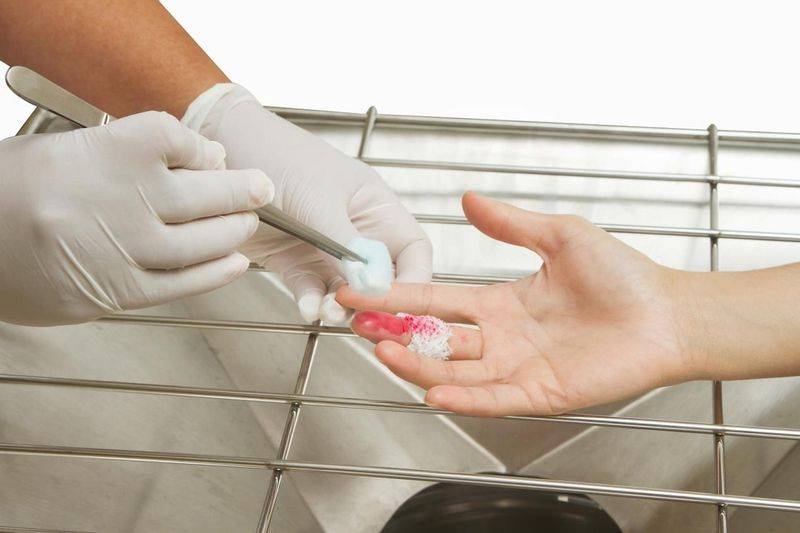
Post-operative cleaning and short-term stinging: short-term, but sensitive, and doctors usually advise in advance that part of the session can take place after a warm water bath, which is easier。
In comparison to pain, there is a greater need for vigilance: chronic insurgencies, repeated anal fistulas, which can lead to anesthesia, increased fistulas, deformations of anus, and even complex anal fistulas, followed by greater scope, slower recovery and more pain。
You can do that
If the operation has been decided, the “poll value” can be reduced as much as possible by some means。

Before the surgery: talk to the doctor
The doctor was voluntarily told that he was particularly sensitive to pain, had a history of chronic pain, anxiety, insomnia, etc. Doctors are more inclined to opt for better anesthesia and design post-operative pain programmes in advance。
After the surgery: no hard work
Many elderly people feel that “the painkillers hurt their liver and kidneys” and are forced not to eat them, resulting in stressful pain and anal muscle spasms, which affect the healing of the wounds. The use of acetaminophenol, brofen or other prescription painkillers, most of which are safe and necessary, is taken on time under the direction of a doctor。
Decontamination management: one less torn sense of torture
During the immediate post-operative period, doctors usually recommend: drinking water, with diets dominated by soft, food-rich fibres, such as oats, vegetables, appropriate fruit; using volume laxatives or softeners, when necessary, to make the poop “banana” and reduce friction; and taking a bath in warm water for 5 to 10 minutes, both clean and pain relief。
Care details: making recovery smoother
Maintain local cleanness, dryness and ventilation, and review and change medicines on time. Some patients are afraid to change their medications and wash them for “awesome pains”, while the wounds are damp and accumulate, and are more likely to be infected, unhealed and the pain is prolonged indefinitely。
It is true that an anal fistula surgery is not a “totally painless” micro-surgery, but in modern anaesthesia and normative sting, most people experience: “it was tougher the previous few days, but it was definitely less terrible than the legend, and biting passed”
Many of the patients who had completed the operation and recovered well looked back, and the most common sentence was: “i knew this would not take so long.”
Health, actually, is in the decision not to run away again and again. If you're suffering from anal fistula and you're afraid of the pain of surgery, go to a regular hospital. The intestinal surgery is consulted in detail on how to operate and how to deal with pain before making a decision。
This paper, which is a body of health knowledge, is written in conjunction with authoritative information and personal perspectives, in part in the form of appropriate fictions and refinements for easy expression and reading understanding, for reference purposes only and not as a substitute for medical diagnosis. If you are not feeling well, please refer to the doctor in a timely manner. It's a collection that can be shared with people you care about, as it needs to be
References:
Editor-in-chief, guo jin lo: practical anal exterior sciences, 3rd edition, published in people's health social
The liu feng army and others.
Guidelines for the treatment of acute pain among adults (2022)