Farmer and technology: how does cement come from (1560°f)
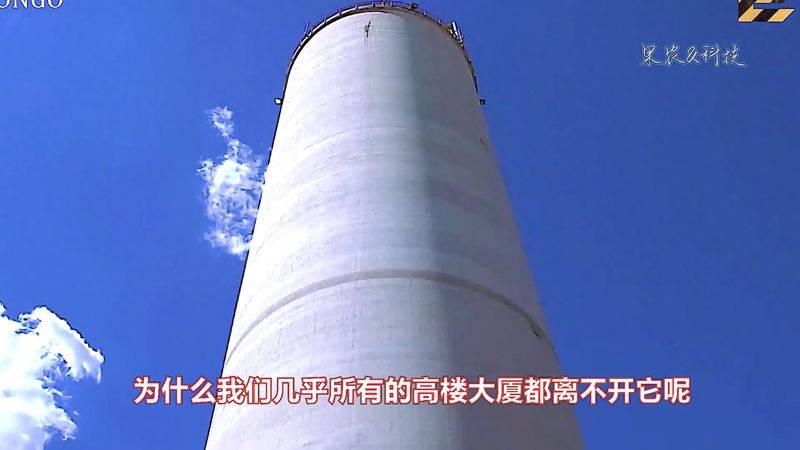
I've always wondered how cement was made. Why can't almost all the high-rise buildings leave it? What kind of manufacturing process would make it so popular? It's today to learn about cement manufacturing。
• the need to extract raw materials from quarries, such as limestone, clay, etc., as is the case in the case of images, although the stone is often used to explode。
• they will then crush the rocks into small pieces eight centimetres in diameter and transport them through the conveyor belt to a given location and store them. However, in the course of their storage, transmission belts need to be recycled with the aim of further mixing the material to standard。
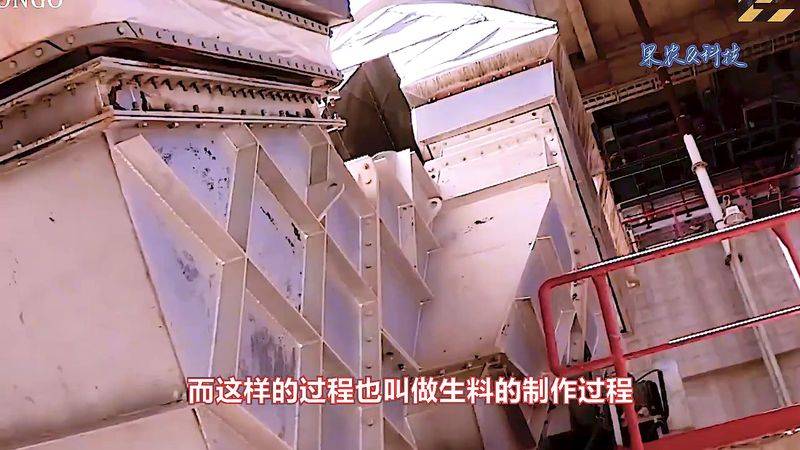
• then grind them up to a few micrometres of powder. It is worth mentioning that some blends will also be added during the process to prolong the ageing of the powder, which is also called the production of raw materials。
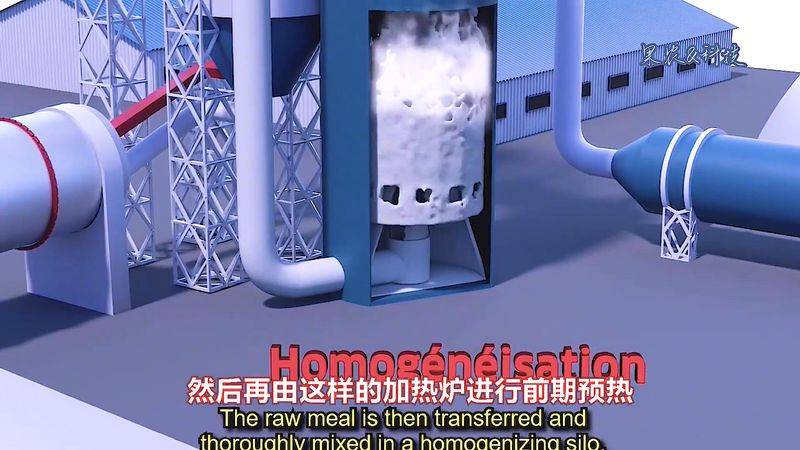
The second is heating up the raw materials. The first is to transfer it to such a silo to make it more fully mixed and then preheated by such a heating furnace. This process is carried out through constant rotations within the preheater to about 850 degrees。
· then the raw materials in it go through the tunnel to the separators below, and come here to the heating kiln, where the temperature is higher, and it heats it up through the flames of the rear, which exceed 2,000 degrees, and the temperature in the kiln can reach about 1,500 degrees。
• the burning of the raw material in the kiln will then burn to smaller particles, i. E., the burning is done。
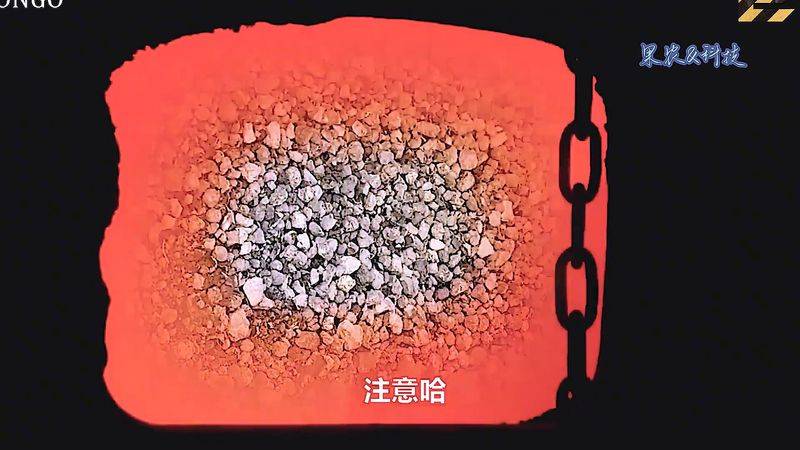
What happens when it burns? Attention is drawn to cooling, where the clinker generated, as shown in the figure, is transmitted and then reached rapid cooling through full contact with outdoor air. The final cooling temperature will be around 100 degrees。
• the final thing is to store the cooled clinker as a whole and then again, after a period of time, further grinding through the conveyor belt, with some additional grinding agent, thereby forming the coherent particles, which we call cement。
It is worth mentioning that cement is formed in conjunction with some plaster, which is used to regulate the hardening of cement, etc., and then cement is stored in such silos. The different divisions in the silo are those of cement mass and model. Finally, they were packed in bags and transported by truck to thousands of homes。
Well, have you learned