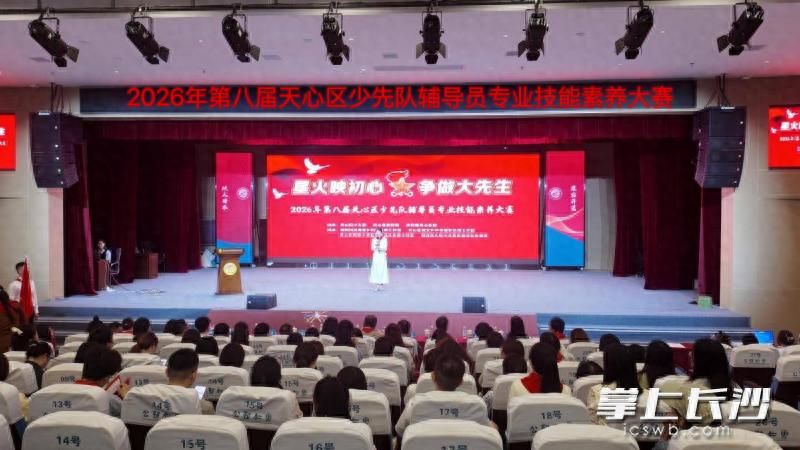
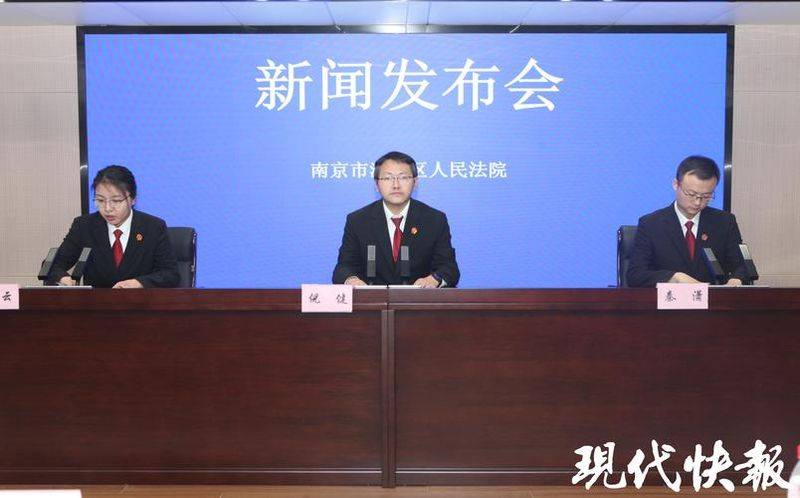
At a 24 april press conference on the work of the nanjing court of justice in 2025 and the model case of the coalition for the protection of intellectual property rights in the nanjing metropolitan circle, the nanjing intellectual property court of nanjing of the nanjing intermediate people's court released the judicial initiative for strengthening rules in support of the development of new and future industries (hereinafter referred to as the “ten initiatives”), the status of data-related cases in 2025 and a number of typical cases of judicial protection of intellectual property rights, with a view to developing the productivity of high-quality trials for the new quality of escorts。
The “ten initiatives” focus on three main lines of regulation, industrial identity and institutional innovation to proactively serve nanjing in accelerating the construction of the “1026” advanced manufacturing cluster and the “6+n” future industrial incubator system. In terms of intellectual integration, the nanjing central college has deepened the construction of the data resources tribunal and is planning to set up the artificial intelligence court; in the field of hard nuclear innovation, the whole chain protects key technologies in such areas as integrated circuits, the low-altitude economy, biomedicine; and in the area of eco-optification, the regulation of unfair competition promotes a shift from price competition to innovation, quality competition, brand competition。
In 2025, it was reported that the nanjing courts had concluded 951 data-related cases. Of these, 829 were civil cases and 122 criminal cases. Since its inauguration in april 2025, the nanjing data resources tribunal has been concentrating on criminal, civil and administrative “triple” trials of data cases, with notable success. In response to the vague definition of data tenure and the difficulty of technical factual determination, the nanjing mejlis explored innovative rules of adjudication, such as the first use of a judicial protection model for large data product classification, punitive damages and the breaking of corporate veils in a dispute over the rights and interests of “business staff” in the digital economy。
The publication also released a typical case of the nanjing metropolitan area judicial protection union for intellectual property rights in 2025 and a typical case of judicial protection of intellectual property rights in nanjing courts, covering frontier areas such as artificial intelligence, data rights, new varieties of plants, business secrets, antimonopoly etc. In the case concerning copyright for ai generating content, the court made it clear that the content of a simple reminder did not constitute a work and that the original intellectual input of human beings was protected by copyright law; in the case concerning the infringement of trademarks, the court defined the boundary between the lawful use of the api and the infringement of trademarks, making it clear that the use of the other's trademarks by way of a pay-for-use ai interface may not be used as an unauthorized mark for its own services; and in the case concerning the false “yan mae 25” plant varieties, the court severely combated the practice of plastering and provided strong judicial safeguards for food security。
The president of the tribunal for intellectual property rights in nanjing stated that the nanjing court would fully advance the ten initiatives to deliver results, strengthen the research and supply of forward-looking rules of justice, and contribute to the development of new and future industries by sustaining its efforts in such priority areas as servicing the “agent intelligence plus” operation, building judicial protection of data resources, and upgrading the dynamic biomedical industry。