Risk protection for exporters under wire transfer operations: to the extent possible, wire transfer settlements are not used in cases of poor or unknown customer information. If a wire transfer settlement is used, a customer information survey should be commissioned from a bank or a professional consulting body, and the shipment may not be delivered until the payment has been made, as necessary. In...
Risk preparedness under wire transfer operations
Exporter's risk preparedness: to the extent possible, no wire transfer settlement is used in cases of poor or unknown customer information. If a wire transfer settlement is used, a customer information survey should be commissioned from a bank or a professional consulting body, and the shipment may not be delivered until the payment has been made, as necessary。
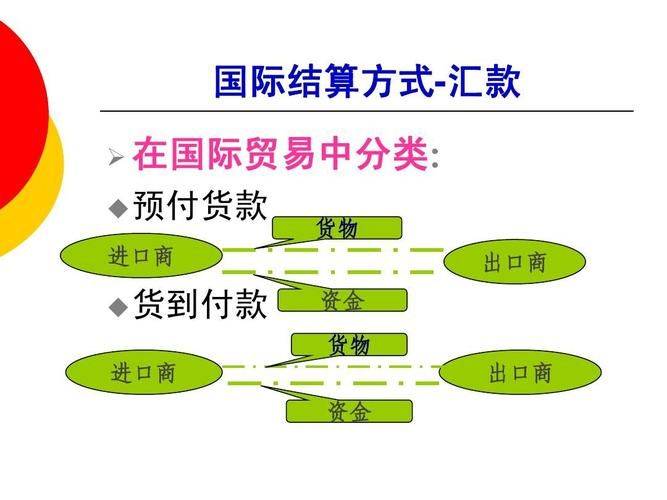
Importer's risk preparedness: importer has to conduct a thorough investigation of exporter's information and performance before remitting payments; the smaller part of the advance payment, the better the settlement, minimizes the risk of late delivery or fraud by the counterparty; the exporter is required to provide a performance bond, which can be claimed by way of a guarantee if the counterparty does not deliver the goods or is late or otherwise successful。
Bank risk preparedness: select the right remittance route to enable remittances to reach the designated recipient bank in a timely manner; record remittances as soon as they are received by the incoming bank so that the recipient can obtain the money in a timely manner; and carefully check the recipient's information to avoid unnecessary business disputes in incorrect accounts。
Risk prevention under collection operations
Exporters ' risk protection: control of export documents with a view to better controlling goods; knowledge of trade controls, foreign exchange controls and customs special requirements in importing countries to avoid losses due to non-admission of imports upon arrival; obtaining advance payment for goods can reduce risk and constrain each other。
Importer's risk: be careful to avoid fraud in companies with poor records; under the conditions of partial collection, minimize the rate of advance payments and minimize the risk。
Bank risk prevention: careful examination of documents and forms of contact submitted by clients and strict compliance with client requirements. The documents to be processed should be sent as soon as possible to avoid a dispute over the delay in sending them to the exporter。
Risk preparedness under letter of credit operations
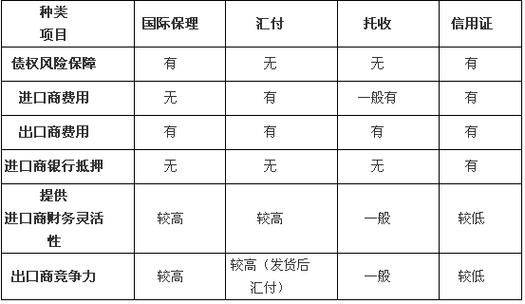
Precautionary measures for exporters: before entering into a supply contract with the importer, the exporter must investigate the other party's financial position, credit information, sales revenue, business performance and capacity. When the exporter is denied payment, he or she should actively intervene with the importer to avoid the return of the goods to freight and demurrage charges. If a negotiated mediation between the exporting and importing parties is ineffective, the exporting party must proceed to arbitration as soon as possible to resolve the dispute。
Importer's risk preparedness: investigation of exporter's information prior to licensing. A careful analysis of the inconsistencies in the documents was carried out and the correct decision was to refuse payment or to take delivery of the goods for ransom. If the issuing bank does not match the notice, the importer takes the goods at ransom if he wants them; if it is believed to be fraudulent, it is absolutely impossible to collect goods in order to avoid significant economic losses。
Risk prevention in banks: efforts are being made to improve the quality of personnel, improve the level of operations, comply strictly with the relevant laws and regulations, regulate the internal procedures for the review of documents by banks, and establish adequate internal controls for the examination of documents。