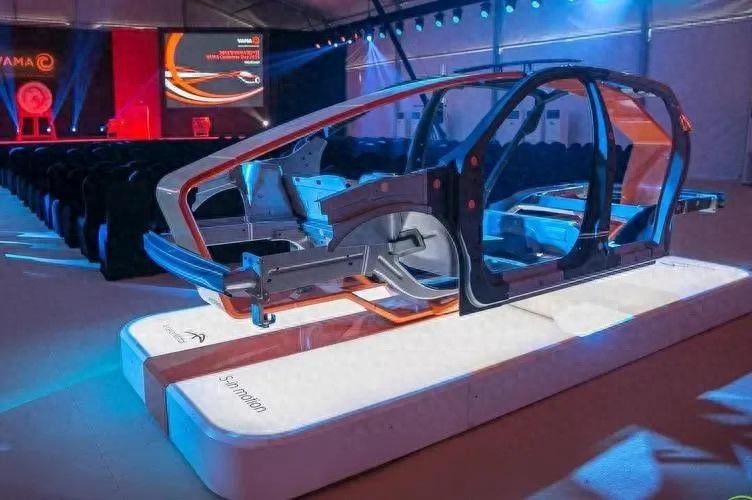
Thus, the concept of sustainable development is reflected in a variety of areas, from daily life to commerce to transport, from urban planning to production processing. There is no doubt that production processing should be sustainable. This view is now widely accepted. Since the process uses natural resources, consumes energy, generates waste and pollutes the environment, we can only mitigate the negative impact on the environment by adopting sustainable production technologies。
Metal processing remains the main method of processing mechanical parts. Thus, the question of how to make metalworking sustainable is crucial. The cutter directly contacts the processed work to make the required shapes and treats the unwanted parts into metal scrap. Can cutters then be a key factor in enhancing sustainable development? No doubt about it
How can cutting knives contribute to the sustainable development of processing
Although the size of the blade is smaller than that of other elements of the entire process system (e. G. Machine bed, packaging), it still plays a key role in achieving sustainable processing. The removal of materials in processing is an energy-intensive process. If cutter designs are efficient, energy consumption can be significantly reduced。
The impact of the important knife characteristics cannot be underestimated. Advanced cutting edge geometry minimizes the pull force, while a deviation design reduces the sharpening force vibrate from the vibration of the blade. Optimized coating processes enhance lubricability and reduce friction. Efficient cooling can reduce heat generation. Taken together, the characteristics of these knives can significantly reduce the environmental impact of metal processing。
In many cases, cutters are often an important part of limiting the full performance of the machine and increasing productivity. It is therefore essential that knives ensure an efficient character that helps reduce cutting times, machine power consumption and greenhouse gas (ghg) emissions. Credible and durable cutting knives can increase the life of knives and reduce the frequency of their replacement, thereby reducing the resulting time off of the machinery and ultimately improving overall processing efficiency。
In addition, the use of cutting knives that achieve higher surface roughness can reduce the need for precision processing, thereby reducing residual processing and waste. This has the dual effect of reducing processing time and material waste。
Thus, the term “sustainable cutter” is not just a short-term trend, but an important concept that is gradually being accepted by the general public as an essential requirement in sustainable manufacturing. Even though the focus of analysis remains on its performance, its sustainability has become a critical factor in modern processing. Understanding how cutters affect all aspects of sustainable development largely determines the demand for modern knives and directs the direction of the blade industry。
Case study on how iska blades have improved the sustainability of processing
How can knives improve the sustainability of processing? In order to understand this issue in depth, we need to briefly review the selection of iska products. The design concept of recapable blades clearly contributes to the sustainable use of cutting materials。
The iska product line has a series of knives that can be replaced with hard alloy head, such as multi-master and sumocham, which provides a good example of how the above questions can be answered through the rational use of hard alloy material. In addition to the traditional advantage of cutting materials, these two lines of research and development in iska have additional advantages related to sustainable development. For example, the multi-master and sumocham series have a high degree of repositioning precision, allowing for an online 0 adjustment time. This would also mean that the replacement of worn blades would not require additional time to adjust, thus significantly reducing the time spent on the machine bed。
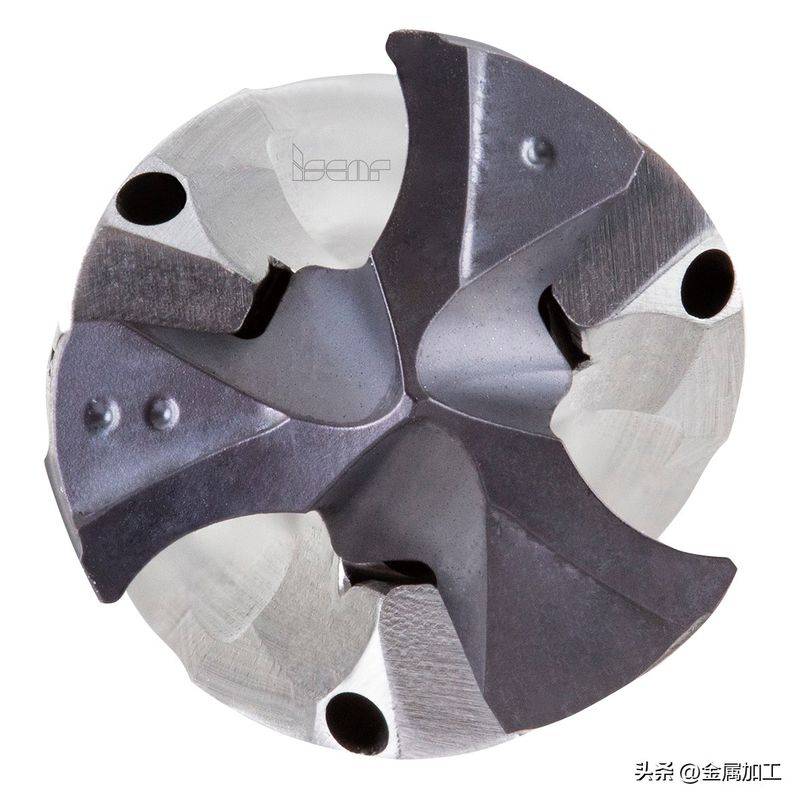
Logiq-3-cham inherited and developed the sumocam drilling series, which were designed to reflect the direction of removable drilling knives. One obvious difference between the logiq-3-cham and other drilling series is that it has three blades, but not two. This change resulted in a 50 per cent increase in the yield and efficiency of knives. In addition to increasing production efficiency, this new design also reduces energy consumption and greenhouse gas emissions, thereby providing advantages for sustainable development. For example, holes with a diameter of Ø16 mm and a depth of 80 mm are processed on parts of low alloy steel. The knife length of the iska logiq-3-cham drill is 500 holes, a 26 per cent reduction in processing rhythms and a 19 per cent reduction in energy consumption compared to the reversible double-edged drills of competitors. As a result, co2 emissions have also decreased by 19 per cent. (chart 1)
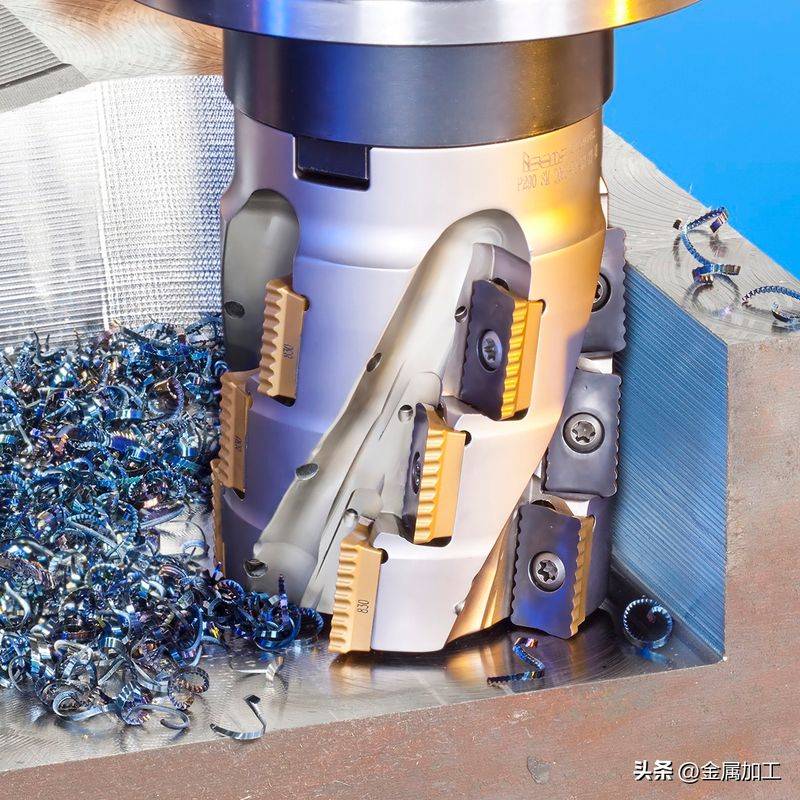
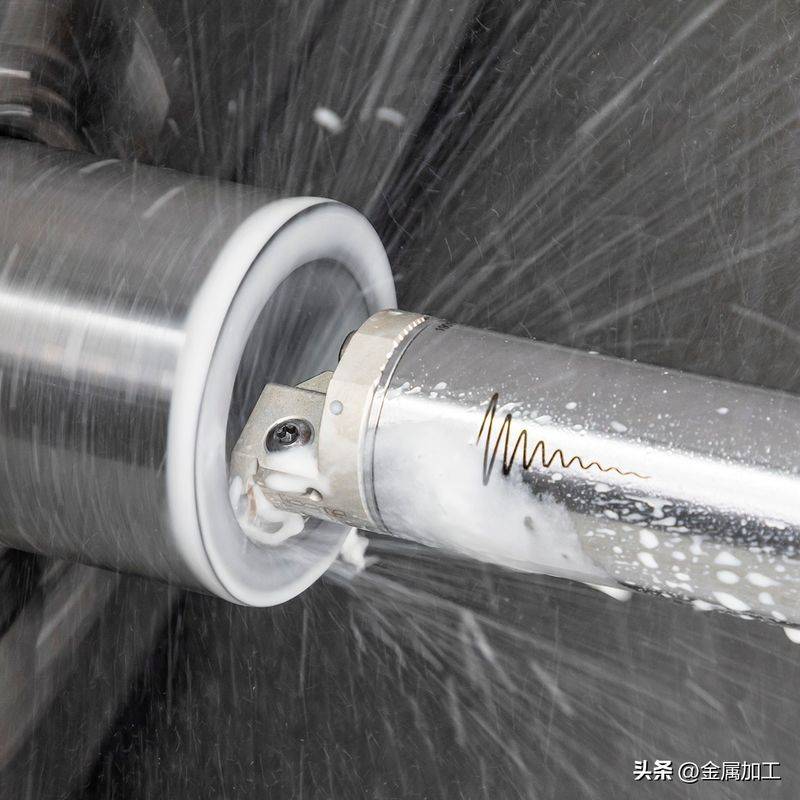
Resilient design of knives plays a crucial role in reducing energy consumption, extending the life of knives and increasing surface roughness. Iska proposes its own detoxification solution based on various theoretical principles. This includes specially designed vibrating units, such as oscillators (figure 2). At the same time, a special resonance blade can reduce the resonance. For example, multi-edged whole rigid alloy and reversible blades, whose cuttings can be in the form of spiraling angles and dovetails; reversible blades can be slashed with serrated blades in order to achieve effective crumbs (figure 3). In addition, these blades or blades have better shatter effects and can improve processing performance. The smart design of the locomotive reduction pole allows it to install smaller size blades, which expands the use of existing knives without the need to purchase new ones. This reduces not only the waste of raw materials, but also greenhouse gas emissions。
Artificial material manufacturing (am) adds new characteristics of sustainable development to the design of knives. First, the enrichment manufacturing technology can produce knives that are very close to the contours of their final shape, thereby minimizing the need for precision processing and significantly reducing the consumption of knife material. In addition, the enrichment manufacturing technology can make it easier to optimize the generation of inner cold passages, thus improving the transport of cooling fluids through the cutter area。
The examples in this paper illustrate how energy-efficient and durable cutting knives have a significant technical impact on sustainable development. Such knives would not only help to reduce energy consumption and waste, but would also save costs and facilitate environmental management。