The parameters of heat-sensitive resistance have been explained in detail in wure and electronics in thermosensitive parameters indicators, where the term ptc thermal-sensitive resistor specialization, a branch of the talk about heat-sensitive resistance, is used。
I. Ptc thermal sensitivity electrical resistance:
It refers to the relationship between the ptc thermal sensitivity resister's zero-power resistance value and the electrical resistance body temperature at the prescribed voltage。
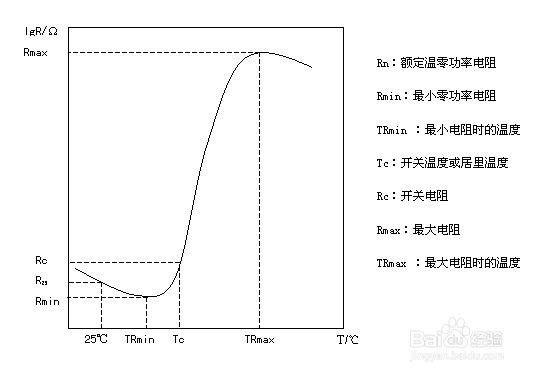
A rated zero power resistance value (r25 or rn): refers to zero power resistance at 25°c unless the customer specifically indicates another temperature。
Minimum resistance value (rmin): is the lowest resistance value corresponding to the temperature curve series, starting at 25°c, when rmin corresponds to tmin。
Switch temperature (tc): the temperature when the barrier value starts to experience an increase in the step-up is the temperature of the switch, i. E. The temperature corresponding to the barrier value when it rises to two times the minimum electrical resistance value (rmin), also known as the ri temperature。
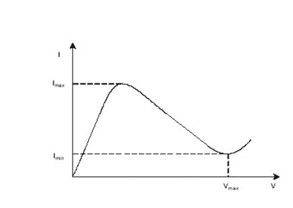
Maximum working voltage (vmax): maximum voltage that ptc thermally sensitive resisters can sustain at maximum permitted ambient temperatures。
Maximum current (imax): means the maximum current allowed through ptc thermal sensitivity resister at maximum working voltage。
Inactivated currents (int): non-activated currents, i. E. Rated currents or maintained currents, are those that do not cause ptc thermal sensitivity resisters to display the highest resistance state under specified time and temperature conditions。
An action current (it): is the smallest current at the specified time and temperature when ptc thermally sensitive resistor values are increased by a step leap。
Temperature range under maximum voltage: an ambient temperature range where ptc thermally sensitive resistors are able to work continuously at maximum voltage。
Diffusion factor (δ): the ratio of power-deficit variability in ptc thermal sensitivity resister to the corresponding temperature change in the component, known as the dift factor (mw/°c:=p/(t-tr)
Resisting pressure values: means the maximum voltage that ptc thermal sensitivity resisters can withstand at specified time and temperature conditions, exceeding which ptc thermal sensitivity resistors will penetrate。
Thermal time constant (and vice versa): in static air, the ptc heat-sensitive resistor takes time from the change in its own temperature to the difference of 63. 2% with the ambient temperature。
Residual current (ir): means the current in the heat-balanced state of ptc thermal-sensitive resistor after a break in the value of the ptc heat-sensitive resistor at maximum working voltage。
Temperature coefficient (αt): can be expressed as:
So..
General
The corresponding temperatures for r1 and r2 are t1 and t2 and are 10°c and 25°c, respectively, higher than the conyri temperature。
Temperature (trmin) at minimum resistance value: the temperature corresponding to rmin when it appears。
Maximum temperature (uct): thermally sensitive electrical resistance can continue to work at the maximum ambient temperature。
Lower limit temperature (lct): thermally sensitive electrical resistance continues at the lowest ambient temperature。
Ii. Ptc thermal sensitivity volt-an characteristics:
In stationary air at 25°c, the relationship between the voltage added to the heat-sensitive resister-induced end and the current under stable state conditions that achieve thermal balance:
Insulation thermally sensitive electrical resistance: thermally sensitive resistance that meets specified insulation resistance values and voltage validation tests。
Non-insulation thermal sensitivity resistance: thermal sensitivity resistance for insulation voltage and insulation resistance testing is not required。
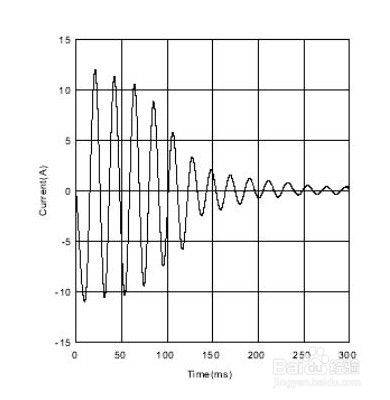
Initiating current (iin): the current that occurs between the circuit switch and the closing moment, i. E. Iin。
Peak current (inp-p): peak-peak of initial current (in)。
Ptc thermal sensitivity resisting currents - time characteristics:
Thermally sensitive electrical resisters, during the application of voltage, are characterized by the current over time: