In the vast territory of the south, the cultivation of monkeys has become an important agricultural practice. However, many fruit-farmers tend to focus on fertilizer, trim and pest control in their daily management, but there is a relatively weak awareness of irrigation. Of course, rational methods of irrigation are essential for the growth and outcome of the monkeys。
First, the importance of watering, which for a long time, farmers tend to rush into burning water when they see leaves falling, may cause irreversible damage to the roots. It is important to determine the dampness of the soil by hand by understanding the state of its moisture. Typically, the ideal water hold for the cultivation of monkeys ranges from 25 to 35 per cent. In contrast, when the maximum water holding in the field is between 60 and 80 per cent, the soil is in a better water state, allowing the root system to breathe adequately。
There are significant differences between soil categories and water requirements. For example, in sand and clay, water-filling strategies and timing should be adjusted. In visceral soils, when hand-held soil is congested and cracks appear, this means that water holding is already around 50 per cent, at which point the leaves appear to be aging, even under strong light, indicating that they have reached the water-deficit stage and that the fruit farmers need to immediately start a water-filling programme to ensure that soil moisture is replenished in a timely manner。
Water demand varies from one stage to another depending on the growth cycle of the monkey:
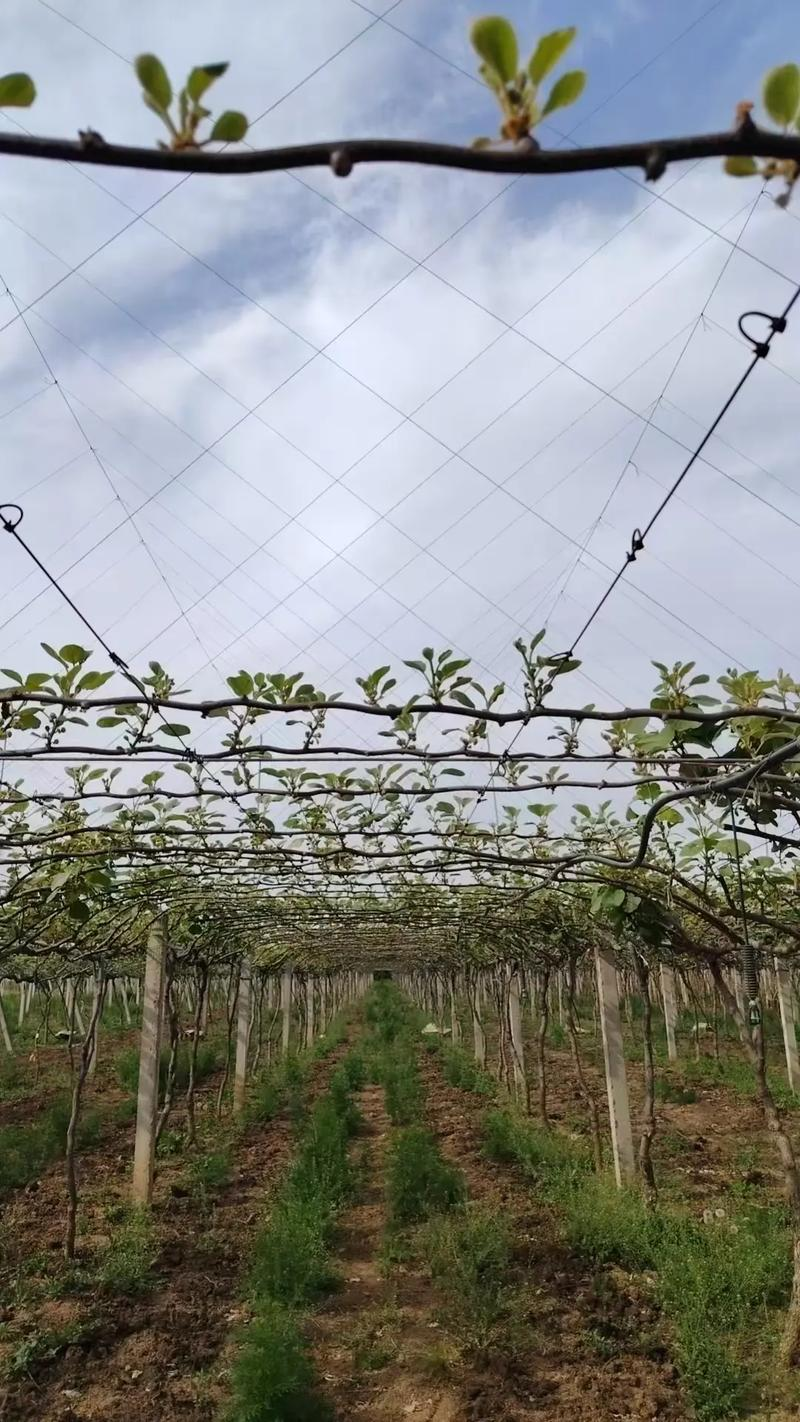
In the bud, when the maximum water hold in the field should be 80 per cent, sufficient moisture will help to make new growth good and leaves will become more abundant. Plumbing: it is necessary to ensure that soil water is around 70 per cent to facilitate flowering and results, and that water management is “dry and wet” at this stage. The period of fruit expansion: at a time when the fruit is expanding rapidly, the maximum water holding in the field should also be around 80 per cent. Although the evaporation is the largest, farmers need to be careful not to accumulate water and avoid root causes. The maturity of the fruit: water should be in the range of 70-80 per cent, and moderate moisture contributes to the accumulation of sugar and ensures normal maturity of the fruit. Rest: maintaining a maximum water hold in the field of 80 per cent will help the monkeys to survive the winter and increase their resistance to freezing。
In order to increase the efficiency of water use, effective methods of irrigation are proposed for fruit-farmers in favour of local irrigation, such as irrigation, ditch irrigation, cave irrigation or paping. This allows water to permeate naturally into the soil, neither destroying the structure of the soil nor affecting the breathing of the roots. Local irrigation not only saves water, but also reduces water accumulation。
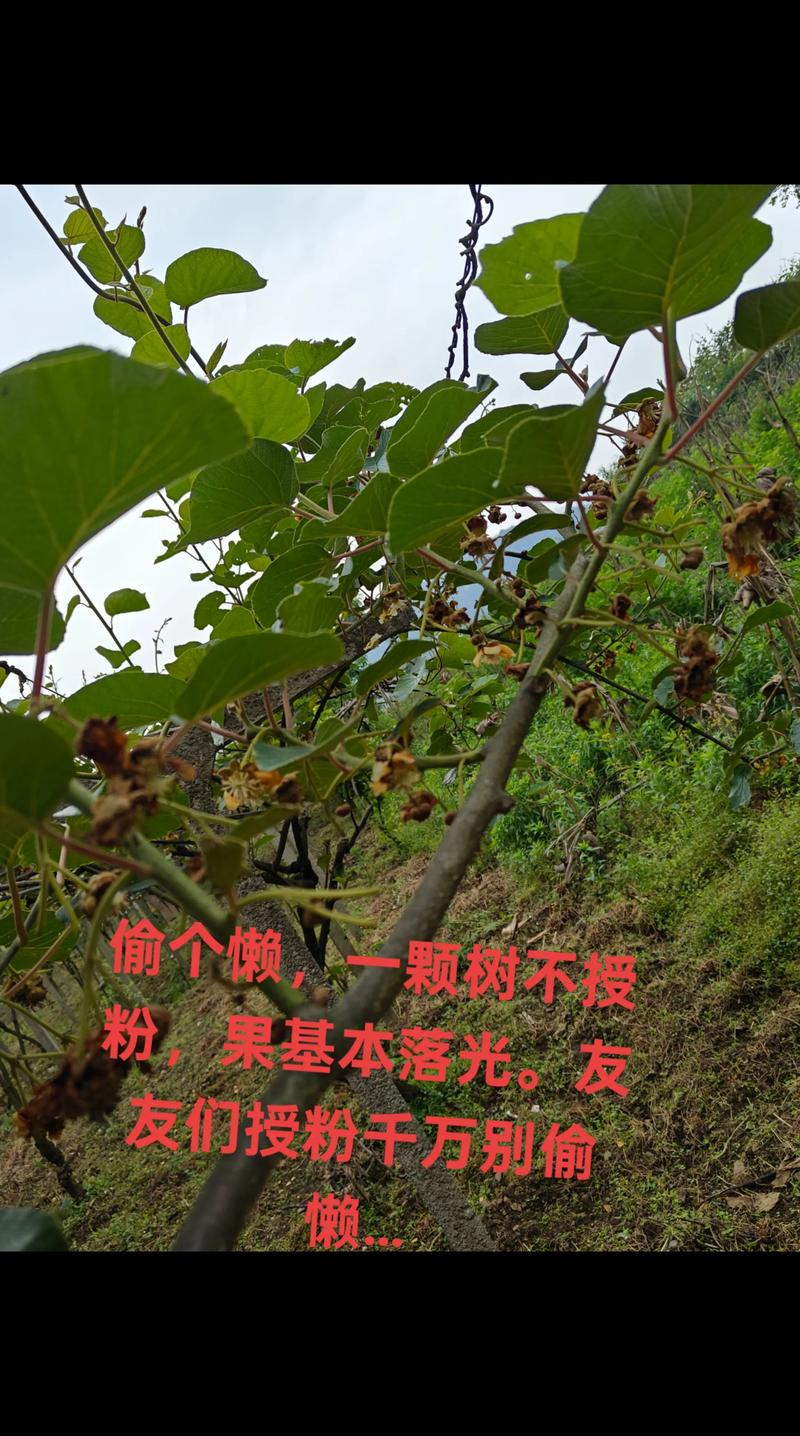
In the case of planting, water can be poured directly into the middle of the water so as to ensure that the water reaches the area where the root system is distributed and to maintain stability in its long-term humidity。
In summary, water management is one of the keys to harvest during the planting of monkeys. Farmers should take water management of the soil seriously and choose the appropriate watering methods to ensure the healthy growth of the monkeys according to the needs of different stages of growth. Through rational water management, we look forward to the harvest of more good monkeys on that southern land。