Sound plant conservation techniques and methods
Greening the lawn, which holds a vital place in the greening of the garden, not only serves to improve urban ecology and to glorify the living environment, but also provides people with an open-minded vision, lessening tensions, stretching their hearts, calming their minds and improving their quality of life。
I. Classification of lawns at different latitudes
Warm season grass: suitable for planting south of our yellow river. Heat tolerance is good, with only one peak in summer, slow growth in spring and autumn and winter hibernation. The highest temperature is 26 to 35°c, with low seed production, mainly in nutritional reproduction. Drought and pest resistance are strong and management is relatively extensive. The green period is short and of variable quality. It is strong and competitive, and once communities are formed, other grasses are difficult to invade. As a result, warmland grass is mostly monolithic and mixed with less. The main ones are weeds, dog teeth, freckles, fake grass, carpet grass, blunt leaves, etc。
Cold-season grass: suitable for cultivation north of the yellow river. Maximum temperature 15-25°c. They grow fast, of good quality, for a wide range of purposes, are cold-resistant, have long green periods, have peaked in spring and autumn during the year, but have poor heat resistance, slow summer growth and short periods of hibernation, as well as poor insect resistance. It requires detailed management with a short life span. It's common to have plums, plums, plums, prematures, years of black grass, plums, etc。
Mixing grass: optimizing the combination of grass, based on the natural conditions and climatic characteristics of the north-east and north-east regions of the country, and taking into account the characteristics of good grass, is a key new technological measure for the cultivation of high-quality grasses in the north. The portfolio combines the advantages of varieties and has the advantages of complementarities in size, resistance and speed. The disadvantage is that the grasslands under this combination are less homogeneous and compatible, and the seed treatment, seed promotion, etc. Should be coordinated before planting to achieve the desired purpose and effect。
The lawn cultivation method
Seeding
Most of the lawns can be broadcast in the spring or in the autumn, so as to sow them in the late autumn. When large areas of lawn are built, it is possible to sow on a strip and small areas are planted manually. It was followed by a raving of crucifixes, followed by a puddle of wood. Particle seeds should be planted with paddy protection. Seeding methods require skilled sowing techniques to ensure parity. In order to ensure the success of seeding and the acquisition of healthy seedlings, a small amount of fertilizer can be added to seeding。
The planting time is suitable for cold-season grass seeding in late summer and early autumn, when the soil is warm, suitable for seed growth, well avoided the harmful effects of summer weeds, and sufficient time was available for new grass seedlings to grow before the onset of cold winter weather. The warm season grass grows mainly in the summer, so it is the most suitable planting period at the beginning of spring and summer。
Deplant
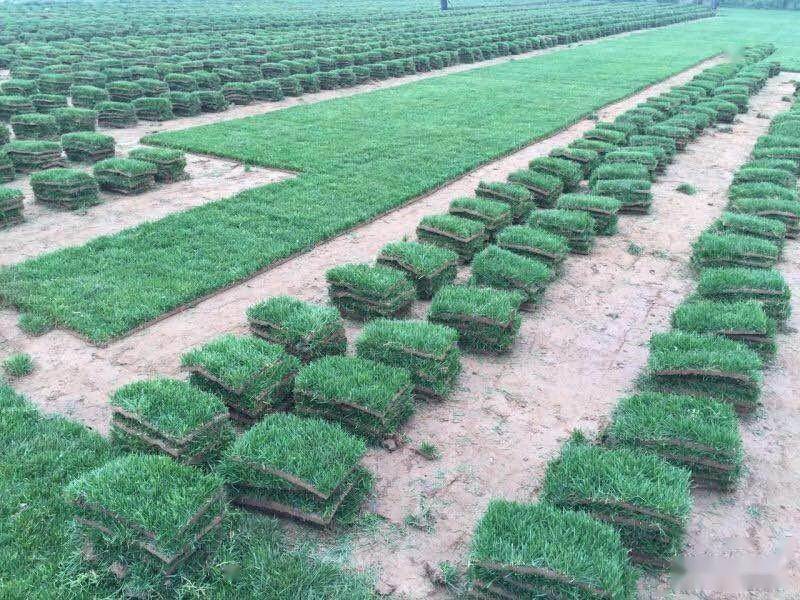
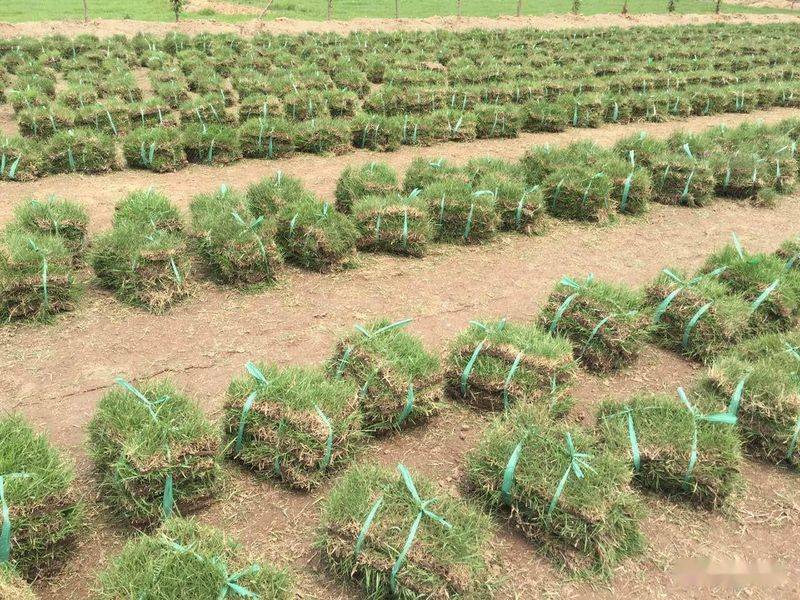
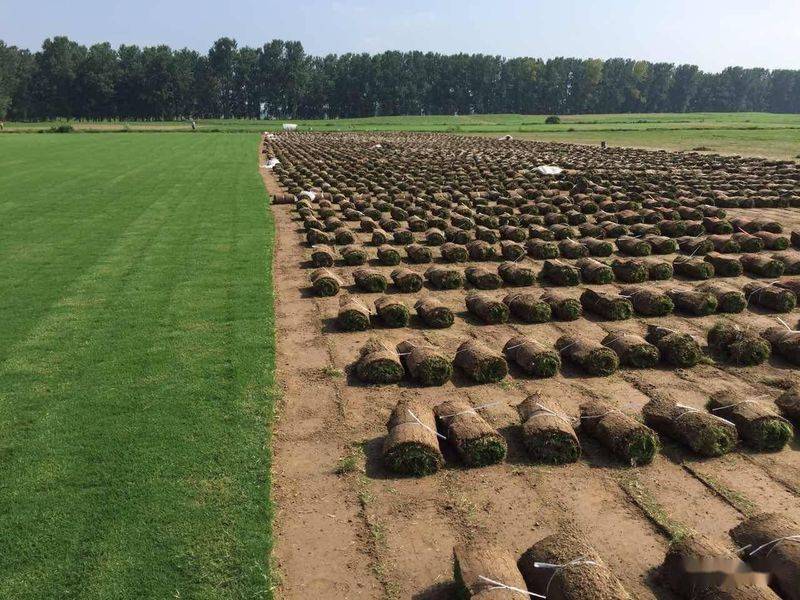
In addition to the direct sowing of grass, it can be built by shifting cultivation. In other words, the lawn is grown at the farm by seeds or nutrients to produce a lawn of high and dense heights, and the lawn is cut into plumes or rolls and transposed to the floor to make it a new lawn. Commonly laid methods include:
1. Painting
Although the law can quickly build lawns, the process is too cumbersome and invested。
Creativity: laying the turf at a distance of 1-2 cm. This approach is suitable for cutting down cold-season grass with weak capacity。
Interlaying: the corset is cut into small pieces, with an appropriate increase in the spacing between the cortex, which covers approximately one third of the total area. The best advantage of this method of planting, which is suitable for warm-season grass, is that it takes a short time to grow。
B. Sterilization
And all grass-breeding plants, such as dog roots, carpet grass, weeds, shears, buffalo grass, etc., can be bred with a stem. Time should preferably take place at the onset of the early spring and during the rainy season. First, we cut the shrubs from the lawn into a 5-8 cm long section in the shade, each of which must have one section, otherwise no new roots can start. It is then broadcast or broadcast. On flat ground, open shallow ditches with small sprouts, fill the water with sufficient water, with water permeating the penis with 2-3 strips as a ditch, with 1 cm of soil and a distance of about 20 cm, and then once a day, when new sprouts come out, the water is stopped. Scattered: spill the cut-off of the penis evenly on the ground, covering 1 cm thick。
3. Cultivation
This applies to herbs, such as goat mustache grass, velvet, etc., which are grown without a penis and have a majority of herbs. Time should preferably take place in early spring or during the rainy season. The roots of the lawn of a dense place are cut out and the soil is shaken off, weeds are removed, parts of the weeds are cut, strips of 2 to 3 seedlings are torn and then planted at a certain range of caves or strips. It follows the earth, and its thickness is around 2 cm. The soil is then pressed lightly and is fully watered. Before the onset of the new leaf, water was sprayed 1 to 2 times a day in order to prevent slabs and dry cracks. In general, the simplest and more economical way to grow grass is through the use of tubing and rooting。
Analysis of species selection for different seasons
Region
Main herb name (most commonly mixed)
Cultivation season
Summer-autumn (april-september)
Winter-spring (10th-march)
South china, hainan (holy season lawn)
Taiwangrass, manila (treasure weeds), dwarf bermuda (dog tooth root, fruit grass)
Vegetable grass (bermuda, a dwarf), manila (turnsweed)
North china, north east (cold season lawn)
Mixed rolls (70 per cent of grassy early ripe grass + 20 per cent of long-year-old black wheat grass + 10 per cent of goats)
Scrolls of grass (60 + years of grass) with black grass 30 % + 10 % of goats
Huadong (cold-season lawn)
Short bermuda (dog tooth root, fruit grass)
60% dwarf bermuda (dog tooth root) + 40% old black wheat grass
China
Dwarves bermuda (dog tooth roots, fruit grass), manila (growling leaves)
Shorty bermuda (dog tooth root) 60% + 40% rye grass
North-west (cold-season lawn)
Mixing grass (70% of the grass & 20% of the long-year-old rye + 10% of the goat mash)
Mixing grass (60 per cent early ripe grass + 30 per cent long years of black wheat grass + 10 per cent high sheep mash)
South-west (cold-season lawn)
Cuts, short-born bermuda (dog tooth root, fruit grass)
Cuts + mixed grass (20% early grass + 15% old black wheat + 65% tall sheep )
Preparation for the lawn bed
1. Clearing the site
The clearing site is primarily intended to remove miscellaneous items that affect the growth of the lawn, such as rubble, branches and garbage. The soil in the 30-cm surface of the lawn area is fully ploughed once and the soil is shredded to ensure that the bed is loose, flat and ventilated. The prepared trophic soil will be ploughed into the soil at a ratio of 1:1 m2/bag, and then flattened with fine tusks to clear the rocks, impurities and control the soil particles within 1 cm. Weeds on the ground and on the earth must then be removed, and the problem of weeds must be resolved first。
2. Adjustment of soil ph
The suitable ph values for the lawn are generally around 6 to 7. If the alkyl value fluctuates, adjustments are made in a timely manner. This is determined on the basis of the planted grass. If ph is to be reduced, lead sulphate is to be added, and calcium phosphate or lime is to be added if the ph is to be increased。
3. Fertilization
Add appropriate quantities of organic fertilizers to the soil, improve nutrients in the soil and ensure normal growth needs on the lawn. In general, organic fertilizers are peat, school, composting, etc. Depending on where the lawn is grown, the choice is made。
4. Yellow sand in stalls
On the day before the planting of the lawn, the cultivated soil will be humid, allowing it to be sunk to a certain extent and then spread the yellow sand。
This step can also be cancelled if its soil is sandy; when it is fined, it is laid on the earth's city with a balanced pyroclastic gravel, with a control thickness of 4 to 5 cm, with care not to damage the flat site while the yellow sand is spread; and on the edge of the ground, the yellow sand is laid at a height of 2 to 3 cm below the hard ground. When the yellow sand is laid, the yellow sand is pressed with a specialized lawn roller, flattened, evenly requested, and crushed repeatedly。
4. Laying of lawns
The order in which the lawn is laid shall begin to be laid in the inner direction; when planting, a gap of not more than one centimetre between the adjacent two grasses shall be preserved, care shall be taken that the pre-set gap shall be sewn in error, that the edge of the lawn may be torn open and the upper and lower parts of the lawn may not be folded together; and when laying to the edge of the bush, the edge of the lawn shall be parallel to the boundary line of the shrub, and a gap of about 10 centimetres shall be preserved. The parchment shall be flat, fully integrated, and shall be laid in a direction that cuts across the slopes, and shall be laid on the edges using a whole piece of the plume, comfortable feet, soil-formulated nature, smooth and smooth; and there shall be no visible lawn seams。
Watering
Water should be watered with small and medium quantities of water for a long period of time to fully wet the lawn and the soil, and a large number of water shocks to the lawn are strictly prohibited; during the watering process, stand-up parts should be covered with rice mats at the bottom of the feet, and when piping pipes should be emptyed by more than two persons, with direct drag on the lawn prohibited。
Six, double crush
After approximately five to six hours of water irrigation, until people do not collapse on the lawn, crush the lawn with a roller, which should not be too fast at the time of crushing, which should be 15 to 20 centimetres at a time, and where the roller cannot be reached, artificially sequestered with planks or flat irons to fully combine the lawn with the sand。