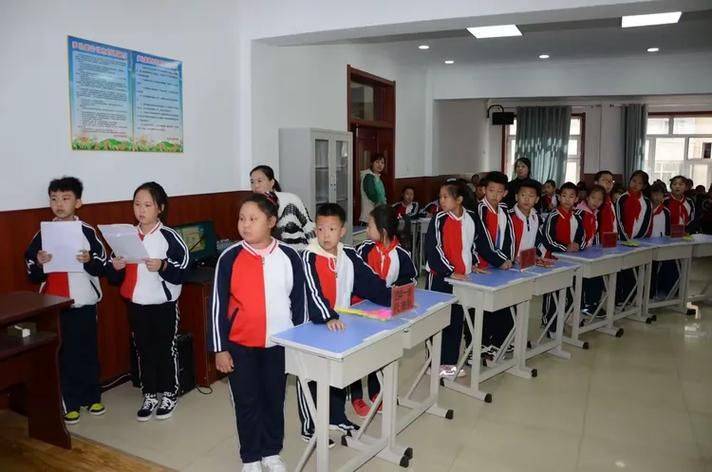
State-building primary schools held a knowledge contest on the theme “classification of waste, conservation of energy” in the hrun district
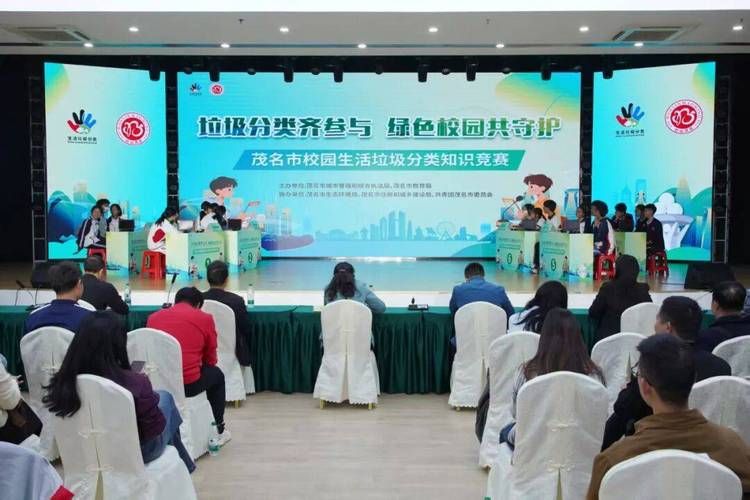
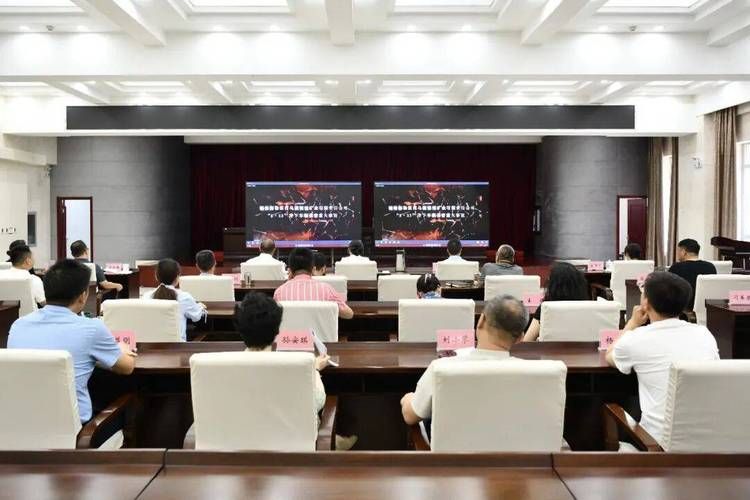
There's a lot of benefits in the sorting of garbage. In order to improve the knowledge of teachers and students in the elementary schools of the nation about the classification of waste, the education on the classification of waste “into school and in the classroom” is promoted so that children and young people can develop a good sense of the classification of waste and the protection of the environment from an early age. On the morning of 19 september, the state-building primary school held a knowledge competition on the theme “classification of garbage, conservation of energy”. The event was organized in three parts. The first was the obligatory answers, the first test of the eight teams of delegates, which made it possible to solve the problems of thinking, organize the answers, and each team of representatives was unable to win. The next thing we did was a nervous pick-up, and the moderator's voice went off, and the team went ahead to pick up the placard to qualify. The competition was strong and the audience was excited. Following is the selection of response points. The teams drew up the competition by drawing lots, and the players faced the problem with a heavy and steady mind, with a satisfactory score. In the competition, the players were actively involved and answered carefully. Following the completion of the activities, the department of education and the department of public information conducted a series of high- and low-level achievements and selected and encouraged teams. Following the competition, students expressed the view that as a result of the campaign, they had gained a better understanding of environmental issues, such as waste classification, and that they would henceforth become environmental-friendly guards. In its future work, the state-building primary school will continue to focus on the topic of waste classification, bringing the concept of waste classification and awareness to students and each family through online learning, first-hand experience and experience of various forms of waste art creation. Through a small hand-in-hand approach, each family is involved and supported in the classification of waste, fully utilizing the educational advocacy role of “educate a student, influence a family, leverage society as a whole”。