The authors of this paper describe the construction of two seasonal planting facilities, the fungroom and mushroom sheds, and highlight the entire process of the slag formulation for the cultivation of mushrooms, including the preparation of herbicide formulations, fermentation, bagging, sterilization, cooling, vaccinations, fungi management, mushroom-producing management and harvesting techniques to inform a large number of mushroom farmers on the use of slag for the efficient cultivation of mushrooms。
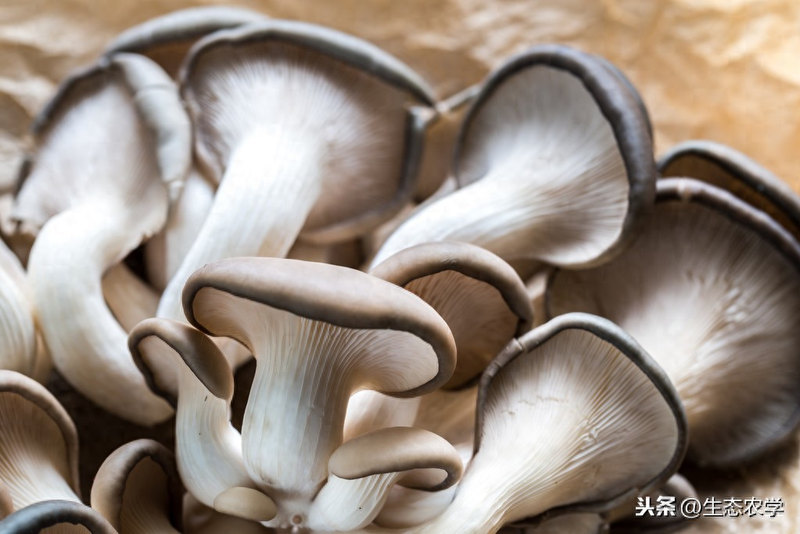
1 frozen biological characteristics
1. 1 morphological characteristics
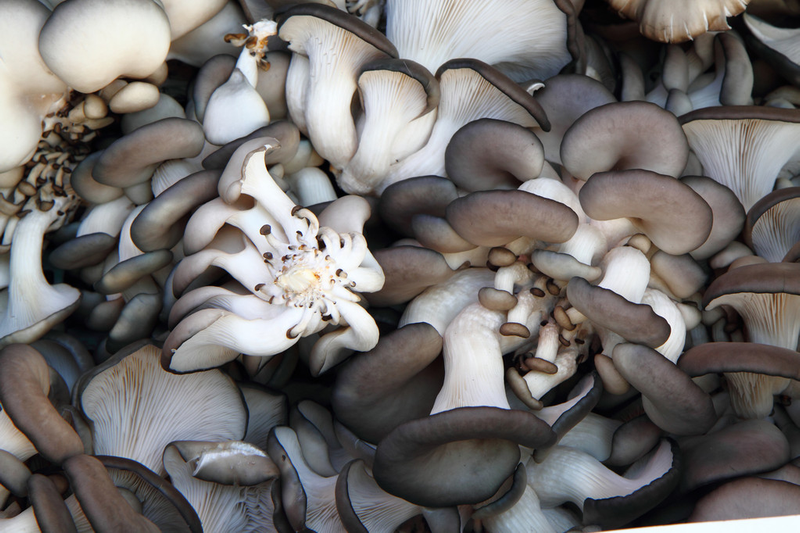
The mushroom form, like other mushrooms, is made up of two parts: a fungus and a sub-entity. The filament is white, made up of spores, multicellular structures, filamentated with branches and cleavages, and fuzzy. It is initially mononucleus, which is then re-formulated into binucella. The fungus absorbs nutrients within the culture base, develops to a certain extent and can form a fungus entity at a certain temperature and humidity。
1. 2 living conditions
Like other edible strains, the growth and development of mushrooms requires certain environmental conditions, including, inter alia, nutrition, temperature, humidity, air, light and acid alkalinity (ph values), with slightly different requirements for various factors at different stages of growth and development。
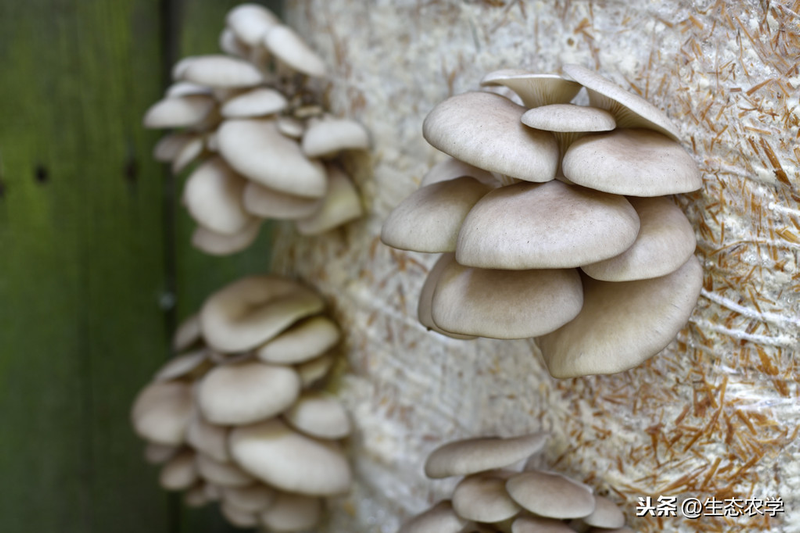
2 plantation facilities
The construction of mushroom cultivation facilities varies according to the planting season. In the case of winter mushrooms, a semi-basement greenhouse (hereinafter referred to as mushroom houses) is chosen to plant mushrooms, and in the case of summer mushrooms, a steel shed (hereinafter referred to as mushroom sheds) is preferred. The choice of the site must be far from the sources of pollution such as industrial or mining enterprises, livestock farming, etc., at more than 1,000 m, regardless of whether the room is a mushroom or a mushroom shed。
2. 1 construction of mushroom houses
A mushroom house is a construction of a wall in the lower brick (or mud) with the upper part covering a tile, grass curtain or film etc. The greenhouse mushroom room usually sits northwards southwards, longs, digs down 0. 5 to 0. 7 m, 8 m north-south and 10 to 30 m long. The excavated soil can be constructed into a wall measuring 0. 7 to 0. 8 m wide, a wall measuring 1. 0 to 1. 5 m high and a wall measuring 2. 5 m high on the ridge. 80 cm x 160 cm door, 40 cm in diameter (or square) vents every 2 m behind the wall and 2 to 3 60 cm x 60 cm large window on the spine. Backside slopes cover 30 to 50 cm thick with corn weeds, wheatgrass, etc., and front slopes with poles, covering membranes, meadows, etc. The walls can also be built with bricks or hollow bricks, with a structure of 12-24 cm bricks inside and outside, and internal heating materials。
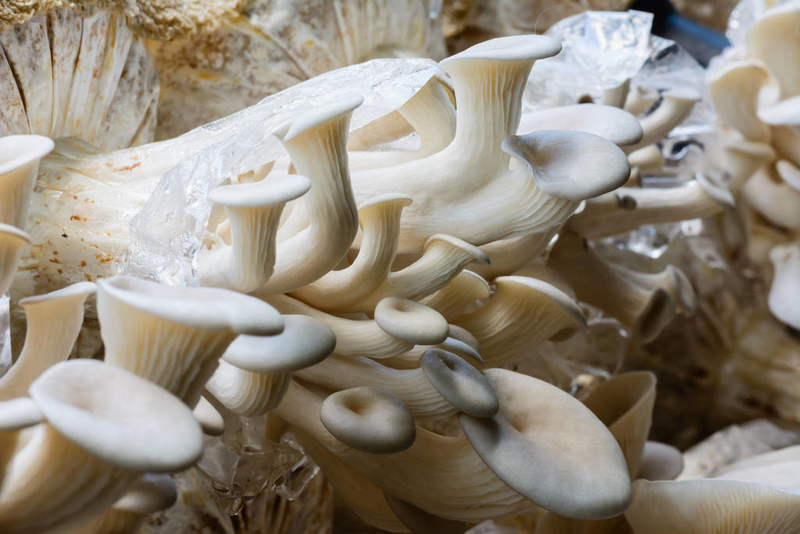
2. 2 flow construction
Shrooms are facilities that use steel frames (plumwood) as skeletons and that cover film, grass curtains, etc. The building materials per acre are typically 2. 5 cm in diameter and 200 pipe lengths of 11 m of zinc plating steel, 100 zinc plating connectors, 200 fixers, 400 caps, 100 impregnated membranes, 200 impregnated membrane springs, 100 membranes, 8 s drops of age-resistible film, two 220 kgs of film and 120 scaffolds of grass. The mushroom shed can be used as a reference for preparatory materials. The mushroom shed is generally east-west, with a backwind towards the sun, 6-7 m wide north-south, 40-50 m long east-west, approximately 3 m high at the centre of the shed and 1. 5 m high at the edge. The cover is three to four layers, first a thin film, then grass curtains, then film and sunnet, etc。
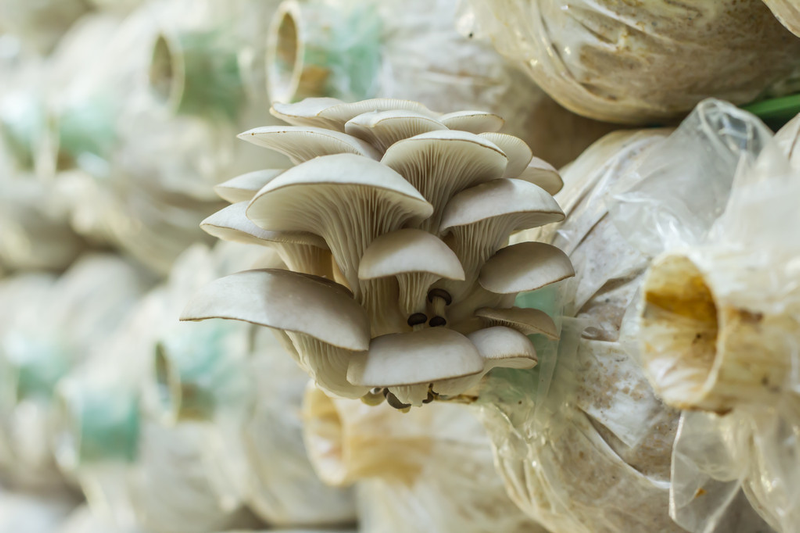
3. Plantation techniques
3. 1 type of strain and choice of production season
The mushrooms are classified as cryogenic, medium-temperature, high-temperature and wide-temperature, depending on the temperature range of the mushroom strains. Temperatures are typically 5°c ~ 15°c, medium temperature ~ 12°c ~ 25°c, high temperature ~ 20°c ~ 35°c and wide temperature ~ 10°c ~ 35°c. Seeding can be divided into autumn, winter and spring. Autumn seeding takes place in late august to late september, when large quantities of mushrooms are produced, preferably during the period; winter planting occurs in late october to late november, before and after the spring season, with a good market for mushrooms; spring planting takes place after february and mushrooms occur in mid-april。
3. 2 clinker bagging techniques
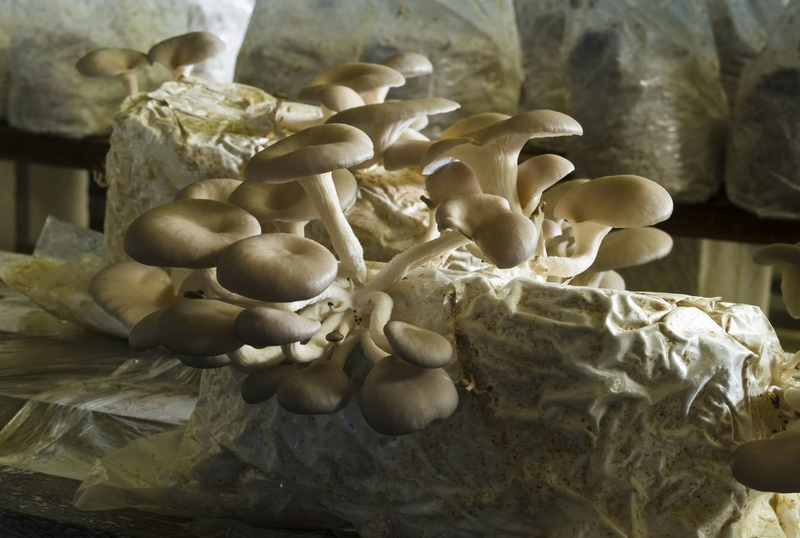
The varieties and quality requirements of the plant are cotton seed shells, corn cores, wood crumbs, soybean straws, soybean slags, scabs, rice mills, corn powder, lime, plaster etc. Plant-based apricot mushrooms produce only head mushrooms, nutrients for the development of the matrix are not depleted, and there is a great value in their use, which can be added to new materials for the cultivation of food fungus such as mushrooms. The author of this paper highlights the method of planting mushrooms using almond mushroom slag。
4 production technology operations
4. 1 cultures formulation and pre-treatment
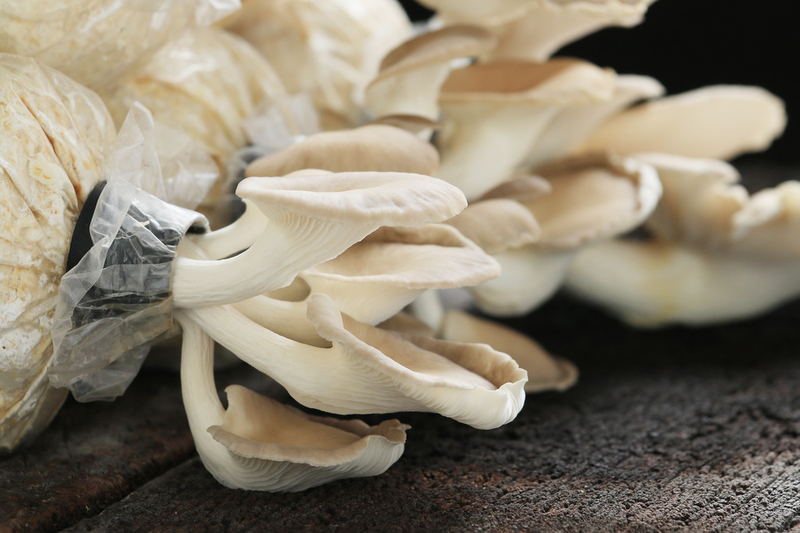
With the rapid development of our food industry, the recycling of a large number of slags has become an important research component. The slag is recycled to plant mushrooms, with the following options: 20 per cent of the slag of almonds, 78 per cent of the cotton seed shell and 2 per cent of the lime; 40 per cent of the slag of almonds, 47 per cent of the cotton seed shell, 10 per cent of the skin, 2 per cent of the plaster and 1 per cent of the plaster; 70 per cent of the slag of almonds, 20 per cent of the skin, 4 per cent of the maize powder, 3 per cent of the soya bean, 2 per cent of the plaster; 50 per cent of the slag of almonds, 20 per cent of the slurry, 20 per cent of the slurry, 20 per cent of the sluice, 20 per cent of the sluice, 4 per cent of the corn powder, 3 per cent of the soyamus, 2 per cent of the plaster. The apricot slag was taken from the apricot factory chemical plant and removed from the bag, shredded, sifted and dried. Materials such as cotton seed casings, cotton drosses and soybeans are also to be tanned and properly immersed before mixing。
4. 2 development of fermentation by culture
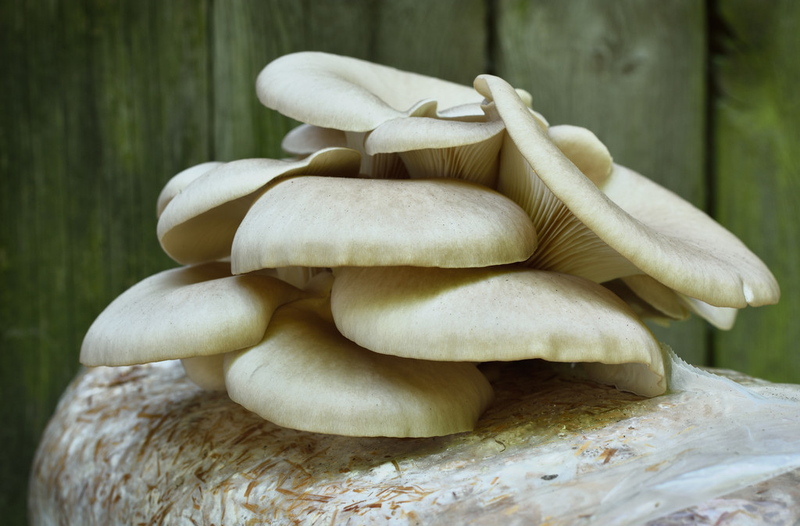
In proportion to the formulations, the nutrients are balanced by artificial or mechanical mixing, and the water content is adjusted to 65% - 70%, ph 6. 5 - 8. 0 and a pile of fermentation is built. A stack of 1. 5 - 2. 0 m wide, a stack of 0. 8 - 1. 2 m tall, and a pile of material of 30 cm every 30 cm in length, with five - eight cm in diameter, a pedestal of air from top to bottom, covered by a sheet of sheeting or straw curtains. When around 20 cm temperature rises to 55 °c ~ 60 °c on the surface, the first stacking begins, then the above-mentioned perforation and cover continues. Crushed every 12 h or so, three or four times, and fermented after about a week. The fermentation is of dark brown or coffee colour and has special scent。
4. 3 bags
In the case of mushroom cultivation, mushroom farmers generally choose to use a low-pressure, high-density polyethylene plastic bag for mushroom bags. The fungus bags produced by the clinker tend to be 40 to 50 cm, 17 to 20 cm wide, 2. 5 to 3. 0 cm thick. Packing is done mechanically with bagging machines, which not only saves labour, but also flat and loose. Two bags of plastic rings with bull paper or three-storey newspapers in the loop, and rubber-coated。
4. 4 sterilization and cooling
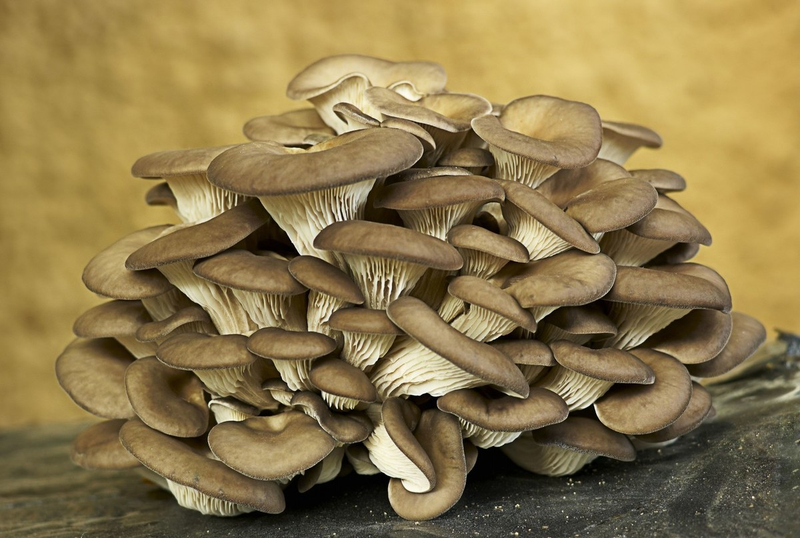
In accordance with the usual application of the sterilization step, the material is moved to the fung pool, and it is put in full and there is a small gap between the bags to allow the flow of air. It is required to maintain 10-12 h at 100°c. When the eradication is complete, and natural cooling continues, the planting bags are moved from the fung to the mushroom shed, which is ready in advance. At the same time that the fungs used for bacterial and inoculation begin, the fumigation of formaldehyde + potassium permanganate or fumigation by a clean ignition of fumigation is required for environmental enzyme, insecticidal and pre-vaccination preparation。
4. 5 vaccination
In general, the mushroom farmers are directly at the end of the mushroom shed, where open vaccinations are carried out in small spaces, using vaccination accounts. The inoculation began when the temperature of the planting bag fell to about 30°c. Before entering the vaccination account, the vaccinators change their clothes and wipe their hands with alcohol. Inoculations are carried out by removing the old skin of the fungi, then cutting it to the size of maize grains, reaching both ends of the culture bag, then covering the newspaper and placing it in the pocket of the port。
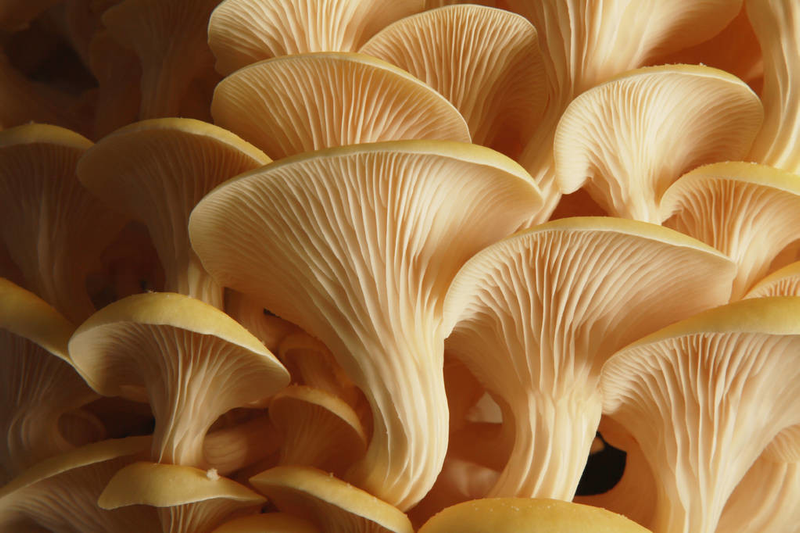
5 bacillus management
Sphinx farmers can directly use sterile mushroom sheds as a shade of the fungus shed to produce the infection in situ. At the beginning of the fungi, the air is well ventilated, and the temperature drops from 30°c to about 25°c. When the temperature is high, it is organized in a "well" font and cools in a timely manner. The bacterial bags found to be contaminated should be removed in a timely manner. Bacillus are usually produced at 30-45 d times, and the fungus are packed and robust and unmodified。
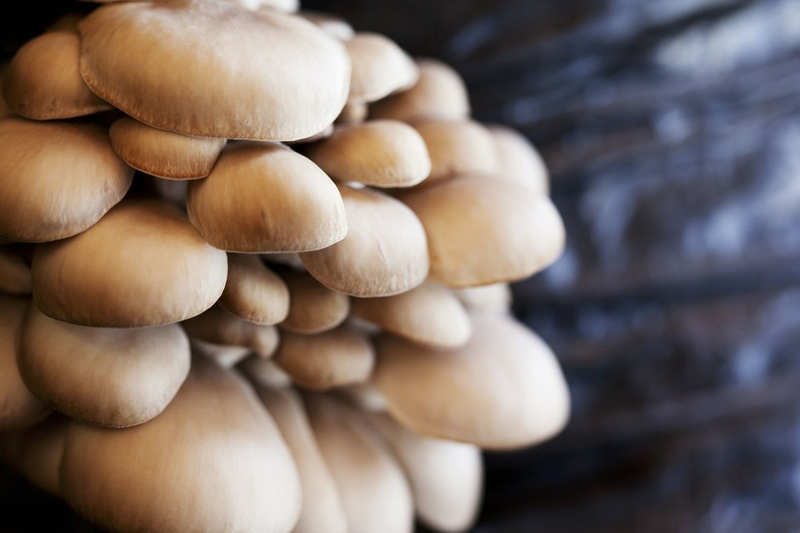
6 mushroom management
When the fungus is thickened in the mouth by about a week after the fungus is full, the bag can be opened for mushroom management. The mushroom bags are usually coded into two-walled mushrooms, leaving a management corridor of about 0. 8 m between the fung walls. The floor is built around 20 cm high with hollow bricks or bricks, with the back of two poles, a mushroom bag with a general number of 1 to 2 floors and a staff of 6 to 8 floors and an altitude of 1. 0 to 1. 2 m. In winter, the greenhouses in the basements grow mushrooms, which may be slightly higher. A mushroom bag with a lined line can untangle the bag or cut the bag or remove the paper with a wrapper. The mushrooms require a high relative humidity of the air, sufficient oxygen and some dispersible light. It is generally necessary to maintain the relative humidity of the air from 85 to 90 per cent and to spray water with proper ventilation on a daily basis。
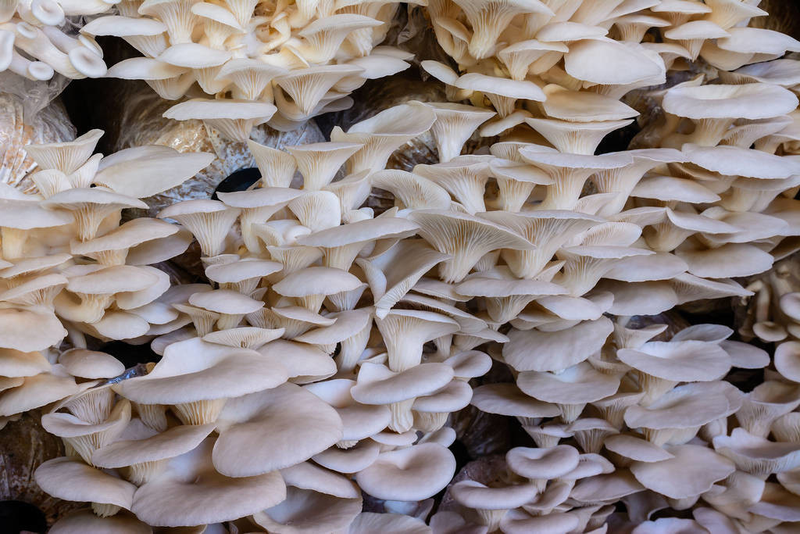
7 collection and marketing
The mushrooms grow faster, and the first mushrooms are usually collected in about a week. The edges of the fungus are most mature when they are spread out from the inner rolls, and when they are collected, they hold on to the grooves of mushrooms, squeezing them lightly and twisting them, and removing the extra horns. The day before the harvest, water was stopped and 2-3 h before the harvest, light sprayed water kept the mushrooms fresh. Based on market demand, mushroom farmers generally collect and sell on time when they are ripe on the 78th floor。