I. Election of the place
When choosing the park, the last crop could not be the emperor, as the problem would be very high if it was done. It would be preferable to opt for the best cultivation in fertile, deep-dwelling, lax, well-drained, non-solar, low-water, neutral soils. Following the selection of the park, the soil is farmed and ploughed, the planting density is established according to the selected species, the equipment required for the irrigation is prepared and the pattern of later management is reasonably distributed. Where cultivation is chosen in the mountains, it is generally done by fertilizing the ground by digging and reconciling the acidity of the soil。
Ii. Quitly structure
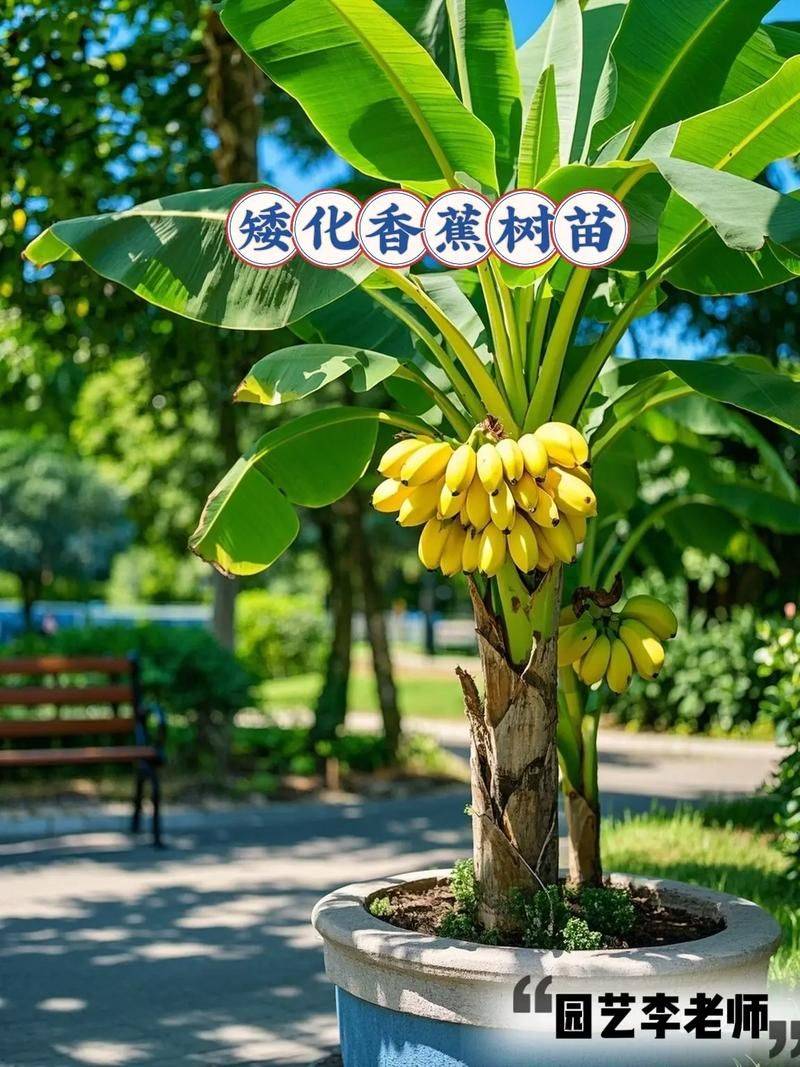
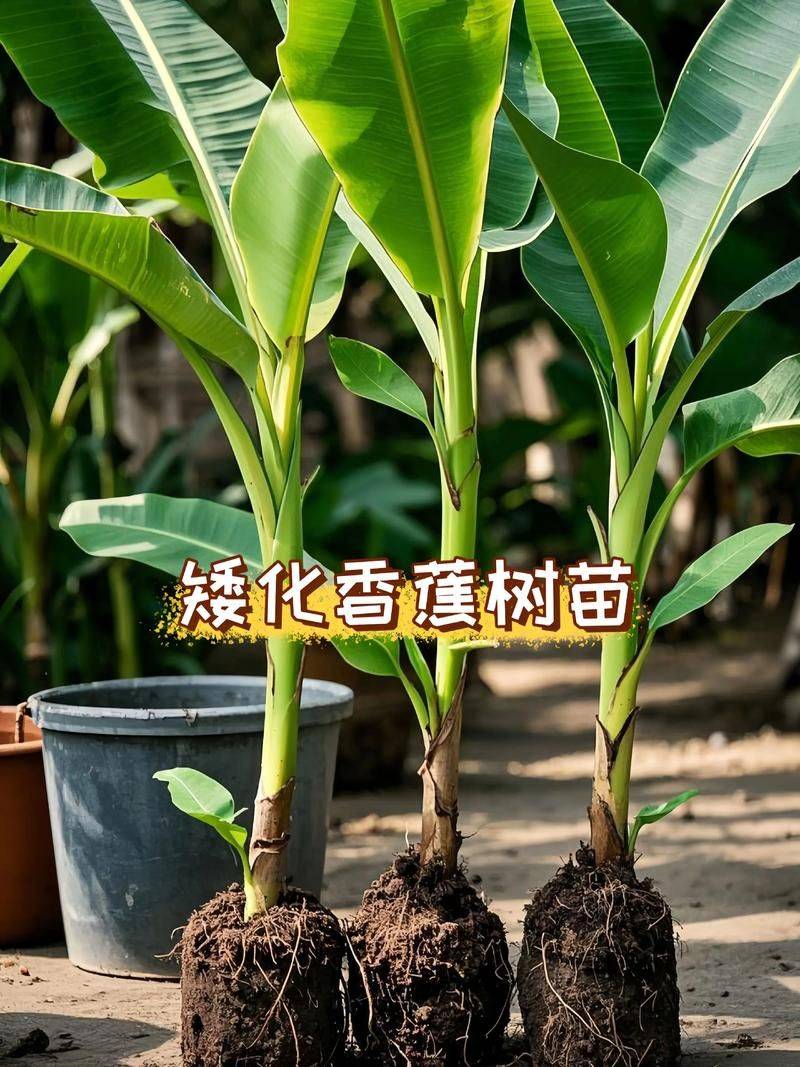
Cultivation usually takes place in the spring or in the autumn, and the emperor's platinum is given birth for a period of one quarter longer than normal bananas, and can be harvested in spring and summer, if planted in the autumn. The planting of seedlings, which are usually sprouts from the fall and winter, needs to be accompanied by measures to control and promote life, with one sprouts and others wiped out. Cultivation density cannot be over-heavy, with more than 1,200 plants grown per hectare。
Iii. Fertilizer water management
Post-plant management is important, with 300 grams of nitrogen fertilizer, 150 grams of phosphorus fertilizer and 700 grams of potassium fat in the preceding period, but in the spring, the fertilisation of fertilizers can be increased during the gestationary period, while the weight of potassium fertilizer is increased during the gestation period. During fertilization, care is taken that the fertilizer is not exposed to the root of the plant as much as possible, and that the acidity of the soil is used on a regular basis, in line with the growth phase of the plant。
In terms of water volume, the emperor's plume is abundant, and the requirements for moisture are not high, but a reasonable distribution of fertilizers is required in accordance with the growth stage, such as the heavy amount of moisture required during the current period and the outcome period, which can be appropriately increased in the frequency of water recharge, and in the dry season in terms of the frequency of water recharge. Nor can water be watered with a strong absorptive capacity of the plant, without attention to the way in which it is watered, leading to water accumulation in excess of water and diseases such as rotting roots。
Iv. Daily management
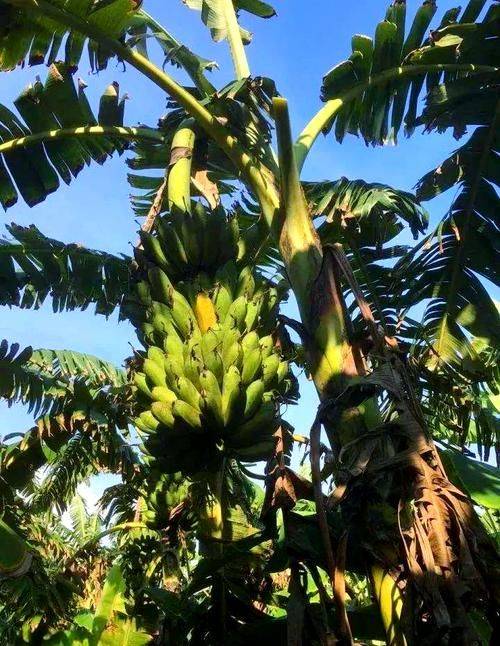
The growth capacity of pre-plant seedlings is weak, and proper co-operation with weeding efforts to promote plant growth not only improves the soil structure but also contributes to nutrient absorption of the roots of the plant, but also removes some of the weeds that hinder the growth of the plant. By the time the plant is tree-bearing, it is necessary to put up a wind stake in the garden against the wind. And then, in order to be reasonable after the fruit, each one is left around nine combs, evenly distributed over the whole plant and the rest can be erased. It can also be combined with the spraying of some fruits, such as fertilizers, to promote better growth of the fruit, otherwise it is easy to have a clear difference between the size and the size of the fruit, affecting subsequent sales。
However, some of the pests and insects that are more common in the emperor's plume-growing process, such as diseases in panama and corrosive worms, are primarily prophylactic, such as alkalinity in the medium and soil, periodic disinfection, etc. After the fall and winter acupunctures, bag techniques are used to manage fruit not only to prevent cold but also to prevent pest erosion. In case of pest problems, the root causes are identified and targeted drugs are used to combat them。
In fact, the emperor is not everywhere like ordinary bananas, but the demand for the emperor has been rising in recent years, and it is a good cash crop option for the farmers. It is also relatively simple to grow, with little demand for soil, which can be grown in all provinces of the country, with a focus on the whole growth cycle, and the acidity of the soil。