


Proe number control course design i. Course objectives
Knowledge objectives:
1. Students understand and master basic practices of proe software, including interface awareness, use of basic tools, etc。
2. Students are able to master basic concepts, processes and parameters for digitally controlled car-slash processing。
3. Students have access to the steps and methods of digitally controlled car cutting in proe software。
Skills objectives:
1. Students are able to use proe software for simple parts design and generate digitally controlled car-cutting paths。
Students are able to reasonably set numerically controlled process parameters such as cut speed, yield, etc., in accordance with processing requirements。
3. Students are able to use digitally controlled processing knowledge to solve problems in actual production。
The goal of emotional attitudes values:
1. Fostering the interest of students in manufacturing and stimulating their enthusiasm to learn digital technology。
2. Develop a sense of teamwork among students to enable them to work together and solve problems in project practice。
3. To develop a rigorous and nuanced working attitude and raise awareness of safety and quality in practice。
The nature of the course: this course is a professional practice course designed to help students combine theoretical knowledge with practical practice and to enhance their capacity for integrated applications in the field of digitally controlled car cutting。
Student characteristics: students have some basic knowledge of mechanical mapping and mechanical processing, some knowledge of digital control techniques, but the practical operation of proe software and digital car cutting is relatively new。
Teaching requirements: teachers should focus on the combination of theory and practice and help students to master the curriculum through case analysis and practical exercises. At the same time, emphasis is placed on building the hands-on and innovative capacities of students and on improving their ability to use them in actual production. In the teaching process, attention is paid to students ' progress and individual differences and guidance is targeted。
Ii. Elements of education
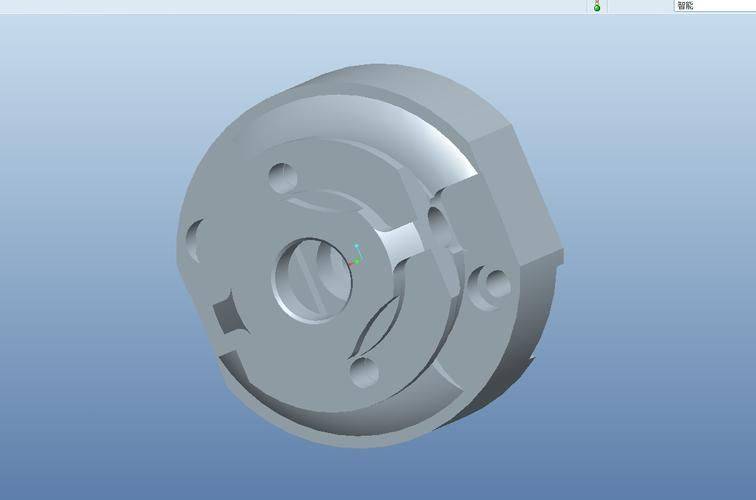
1. The basic operation of proe software, which includes software installation, interface awareness, use of basic tools, design basis for spare parts, etc., corresponding to chapter 1 of the educational material。
The basic concept of digitally controlled car-slash processing: a description of the composition, function, scope of processing, etc. Of the digitally controlled bed, corresponding to chapter 2 of the educational material。
3. Digital-control car-cutting processes: the process of interpretation of numerically controlled car-cutting processes, cutting parameters, knife selection, etc., corresponding to chapter 3 of the educational material。
4. Proe number control car ride processing: learning from steps and methods in proe software for digital car ride processing, including process path generation, process parameter setting, simulation, etc., corresponding to chapter 4 of the teaching material。
5. Practice: a hands-on approach to proe digital car-cutting, combining practical cases, to improve students ' hands-on skills, corresponding to chapter 5 of the educational material。
Curriculum arrangements:
First week: basic operational learning of proe software
Second week: basic concept learning on digital car-cutting
Third week: digital car-cutting process learning
(d) fourth week: proe's training in car-cutting operations
Fifth week: practice and summary。
The content of the teaching is scientific and systematic, with rational organization and progress control combined with the chapters of the teaching materials, enabling students to improve their practical skills based on theoretical knowledge。
Iii. Teaching methods
The curriculum will use the following diverse teaching methods to stimulate learning interest and initiative:
1. Teaching methods: through systematic presentations, students are provided with theoretical knowledge of the basic operation of proe software, basic concepts and processes of digital car-cutting. In the course of teaching, emphasis is placed on combining theory and practice, with case studies to enhance students ' understanding。
2. Discussion method: to organize classroom discussions among students on practical issues in the digital car cutting process, and to develop their capacity to think and solve problems. Students are encouraged to ask questions, express their views and increase the interactive nature of the classroom。
3. Case analysis: select representative numerically controlled car-cutting cases, guide students in analysing the process, parameter setting, etc. In cases, so that students can apply the knowledge they have learned to actual production。
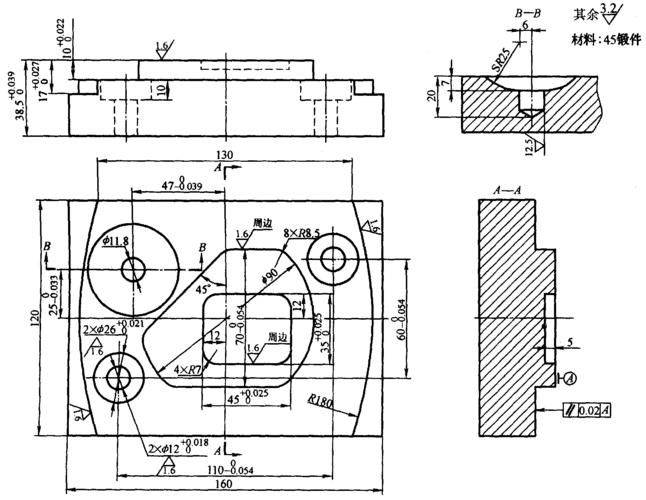
4. Experimental methods: a practical operation is set up to allow students to perform the physical operation of the proe number control car cutting process in the laboratory. Through hands-on practice, students are better equipped with the operational skills of digitally controlled car-cutting processes and are better equipped to apply them。
5. Mission-driven approach: the content of the curriculum is broken down into a number of specific tasks, allowing students to learn in the exercise of their mission. The mission is designed to provide easy access to digital car cutting techniques。
6. Group cooperation law: organize group cooperation studies among students to complete the course project. Developing the skills of students for teamwork and stimulating students ' awareness of innovation。
7. Scenario teaching methods: create real production scenes, enable students to study in simulated physical work environments, and improve students ' learning interest and professional literacy。
8. Feedback and evaluation method: timely feedback to students during the teaching process, guidance for self-evaluation and peer evaluation. Through evaluation, students are helped to learn about their learning, adapt their learning methods and improve their learning effectiveness。
The introduction of diverse teaching methods is aimed at fully mobilizing students ' learning motivation and enhancing their practical and innovative abilities. In the course of teaching, teachers are flexible in their use of teaching methods to achieve their objectives, depending on the student's actual situation and the content of the curriculum。
Iv. Evaluation of education
To ensure the objectivity, impartiality and comprehensiveness of the teaching evaluation, the curriculum uses the following assessment methods:
1. Normal performance: 30 per cent of total assessment. This includes performance in class attendance, questions and answers, classroom discussions, group cooperation, etc. This part of the evaluation aims to encourage students to participate actively in classroom activities and to develop good learning habits。
2. Operations: 20 per cent of total assessment. The work related to the content of the curriculum is designed to consolidate the knowledge acquired and improve the practical skills of students. Operational scoring standards include quality of completion, accuracy and innovation。
3. Practice: 30 per cent of total assessment. The degree to which students have mastery of digitally controlled car-cutting techniques is assessed through the practical operation of proe-calculation processing in laboratories. The evaluation criteria include operational specifications, process quality, rationalization of process parameters, etc。
Examinations: 20 per cent of total evaluation. At the end of the period, theoretical examinations were conducted to test students ' level of knowledge of the theory of digitally controlled car cutting. The examination types include selections, blanks, brief questions, etc., and cover the focus of the course。
Specific assessments will be carried out as follows:
1. Normal performance: teachers rate pupils ' performance in the classroom and record it every fortnight to ensure the timeliness and accuracy of the assessment。
2. Operations: teachers revise and provide feedback in a timely manner after each operation has been completed. Students who have completed their homework within the prescribed time period may be paid back。
3. Practical: at the hands-on stage, teachers observe and evaluate the course of the students ' operations. At the same time, students are organized to conduct self-evaluations and peer evaluations to improve the comprehensiveness of assessments。
Examinations: at the end of the period, a closed-roll examination is conducted, the contents of which are closely integrated with the teaching materials and a thorough examination of students ' knowledge of the curriculum。
V. Pedagogical arrangements
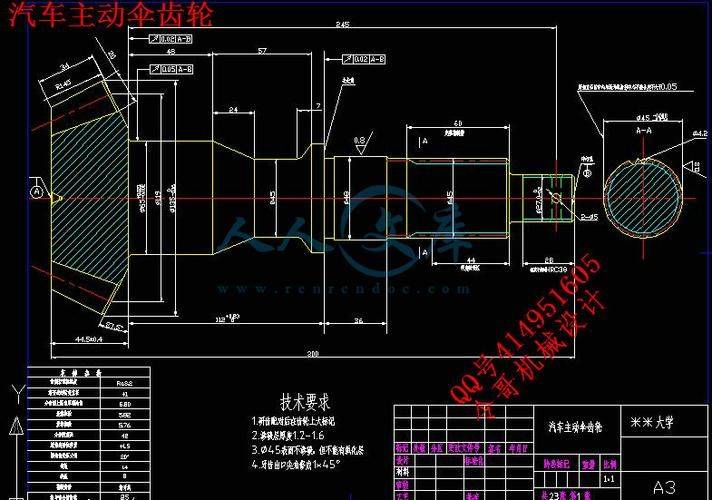
In order to ensure reasonable and up-to-date progress, taking into account the actual situation and needs of students, the curriculum is organized as follows:
1. Progress in teaching: 15 weeks, 2 hours per week, 30 hours. The arrangements are as follows:
- weeks 1-4: basic operation of proe software (chapter 1 of the educational material)
- weeks 5-8: basic concepts and processes of digital car-cutting (chapters 2-3 of the educational material)
- 9-12: proe digital car-cutting operation (chapter 4 of the teaching materials)
- week 13-15: practice and summary (chap. 5 of the course)。
2. Teaching time: based on the student's working time, the instruction is scheduled for a fixed period per week to ensure that the student is able to plan his or her study time reasonably。
Place of instruction:
- theoretical course: arranged in a multimedia classroom so that teachers can speak with multimedia teaching resources。
- practice course: arranged in a laboratory to ensure that students are equipped with digitally controlled car cutting techniques in practice。
4. Arrangements for examinations: at the end of the period, a closed-volume examination is held, scheduled for the first week after the completion of the course, to allow students sufficient time to undergo refresher studies。
5. Work and feedback: once a week, a job is put in place requiring students to complete it within a specified time frame. Teachers are able to adapt and provide feedback in a timely manner to help students consolidate their knowledge。
6. Extra-curricular counselling: in response to problems encountered by students in the course of their studies, extra-curricular counselling is arranged and pupils are given the opportunity to answer questions and questions。
7. After-school activities: organize students to participate in after-school activities related to digital car-cutting, such as visits to enterprises, skills competitions, etc., to stimulate student interest in learning and professional literacy。
Teaching arrangements take into account the actual situation and needs of students and ensure that teaching tasks are accomplished within a limited period of time and that the quality of teaching is improved. At the same time, emphasis is placed on combining theory and practice to build the practical and innovative capacities of students。



