Gas-deposition furnace failure removal and maintenance overall: systems programme from diagnosis to prevention
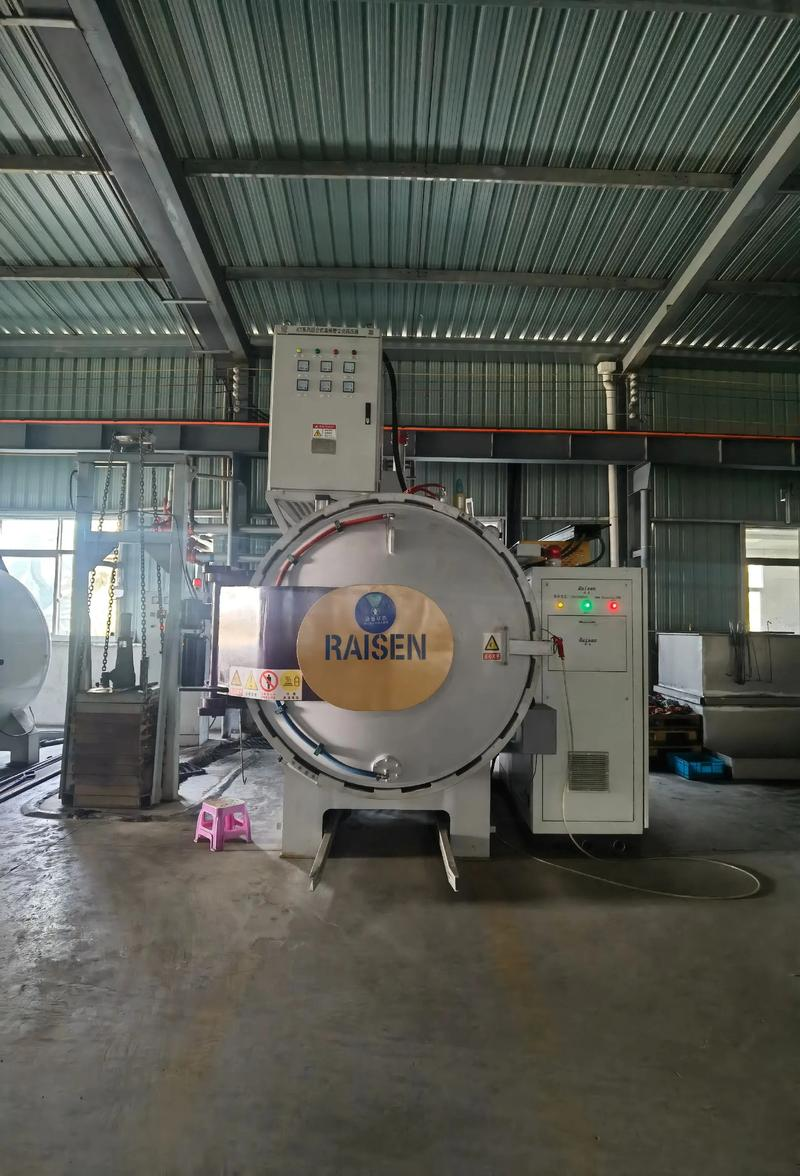
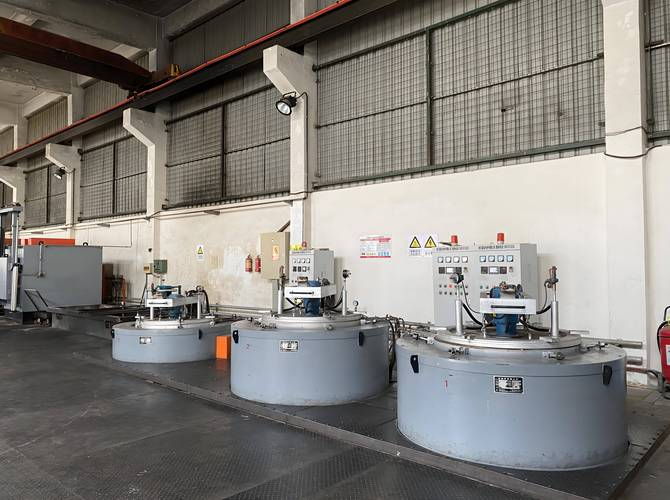
Gas-deposition furnace failure removal and maintenance overall: the stability of gas-deposition furnaces in systems from diagnosis to prevention as critical equipment in the fields of microelectronics, photoelectronics and aerospace has a direct impact on the quality of material preparation and productivity. However, failures in the operation of the equipment, such as temperature fluctuations and uncontrolled gas, often become bottlenecks in production capacity. The gas-sedition furnace's eight-good electrical units in looyang build a set of ready-to-land technical solutions from three dimensions: failure diagnostic logic, systematic maintenance strategy and preventive management. Fault removal: subsystem diagnostics and precision repair 1. Temperature control system anomalies: temperature deviations from the furnace, abnormal warming rates or inability to reach target temperature. Diagnosis process: sensors verify that the actual temperature and display values in the furnace are compared with portable infrared thermometers and that if the deviation exceeds ±2°c, thermal electrons or infrared probes are replaced. Heating component detection: when the power is shut down, the heating wiring resistance value is measured using a mass gauge, indicating an ageing or fracture of the component if the resistance deviation exceeds 20% of the nominal value. Control circuit retracing: checks whether solid-state relay contacts are burned, and whether plc temperature control module programs are abnormal due to electromagnetic interference, reloading programs or shielding layers as necessary. In the case of rehabilitation, the temperature of equipment at a semiconductor plant has stagnated to 800°c, solid relays have been detected to be carbonated and the temperature curve has returned to normal after replacement. Fluctuations in gas supply systems: the gas flow meter shows instability, loss of control over the proportion of process gases or sudden changes in reaction cavities. (b) equipping steps: aerophysical examination: scanning gas pipeline interfaces with helium gas detectors, excavating mass flow controllers (mfcs) front-end interfaces with leakage rates below 1 x 10⁻⁹ pa m3/s. Mfc performance validation: mfc access to standard gas sources requires recalibration or replacement if the flow output deviation exceeds 5% of the full mass range. Valve dynamic tests: observe the opening response time of the aerodynamic valves through plc mandatory output signals, with a delay of more than 0. 5 seconds indicating an aging of the electromagnetic valve wire or a leak in the cylinder. Optimization programme: a photovoltaic enterprise has reduced the mfc congestion frequency from 1 per month to 1 per half-year by adding gas filters. 3. Frustration of vacuum system pressure: failure to achieve standard background vacuum, sudden rise in pressure during sedimentation or drop in pumping speed. Diagnosis path: vacuum pump state assessment: the measurement of the molecular pump rotation rate (through a frequency flash) and the maximum vacuum of the front-stage pump, and the replacement of bearings or blades if the molecular pump is below 80% of the rated value. Cavity leak detection: if the vacuum rises by more than one order of magnitude within 30 minutes, using pressure-up, and all airways are closed, the window seal will be inspected and fed to frank, etc. Emission source analysis: the cavity gas composition is detected through the residual gas analyser (rga) and if there is a large number of h2o or organic peaks, indicating that the cavity wall is adsorbed with contaminants, the gas is to be baked at high temperatures. Example of restoration: the replicability of a process increased by 30 per cent after replacement and recalibration of an led extension line due to pressure misreporting due to vacuum regulation pollution. Mechanical system anomalies: vibration superscripts, acoustics or furnace door seals in operation. Disposal programme: structure inspection of the furnace: the temperature of the furnace is measured by laser interferometry and, if the deviation exceeds 0. 1 mm/m, adjustments to the foot bolt or reinforcement of the support frame are required. Wind/electrical maintenance: dismantling of chillers, checking of leaf-wheel balance, adding heat-resistant lubricant (e. G., molybdenum disulfide) to the axle bearings of electric machines and recommending a replacement cycle of 5,000 hours. Optimization of door seals: the use of fluorine rubber seals instead of traditional silica caps, together with a pneumatic pressure tightening device, to keep the leakage rate within 5x10⁻⁴pa. L/s. Ii. Systemic maintenance: from passive restoration to active prevention 1. Structure maintenance level: first level of maintenance; frequency: per shift; core content: inspection of gas pipeline pressure, vacuum display, door sealing; logbook of record equipment; maintenance level: secondary maintenance frequency: weekly core content: cleaning gas filters, calibration of mfc zero points, detection of heating element connectivity; maintenance level: third level of maintenance: quarterly core content: replacement of vacuum pump oil, implementation of cavity high-temperature bakery (300°c/24h), test safety chain function; maintenance level: fourth level of maintenance frequency: annual core content: major heating cavity, replacement of seals, complete detection of electrical system insulation; 2. Key component life cycle management heating element: establishment of electrical resistance tracking files, initiation of early warning when resistance rate exceeds 15%, development of replacement cycle in conjunction with process number (usually sm2000). Vacuum pumps: pre-grade pumps are tested every 500 hours and replaced when the viscosity rate is more than 30 per cent or when the water content is above standard; molecular pumps are dynamically balanced and calibrated every 2 years. Seal: the fluorescent leakage method is used to regularly detect the fluorescent rubber ring replacement cycle from the traditional one year to two years (at < 60% environmental humidity). 3. Standardized cavity cleaning in the cleaning process: rough washing: cleaning of non-sensitive areas with dustless slabs and removal of loose sediments; cleaning: application of plasma corrosive (cf4/o2 mixed gases) to the reaction area, removal of rigid sediments; final washing: 4 hours drying with ultra-purified water. Gas pipe purge: 2 hours of cycling with ultrasound scrubber + lemon acid solution, and post-nitrogen cleanup pressure detection. Preventive management: from experience-driven to data-driven. The deployment of wireless temperature vibrator sensors in key areas such as cavities, airways, vacuum pumps, real-time data collection and uploading to cloud platforms. Ai fail prediction: based on the lstm neural network builder health model, an early 72-hour warning of the aging of the heating elements, vacuum leaks, etc. Through historical data training. Digital twinning applications: build a three-dimensional model of equipment, simulate the state of operation under different process parameters and optimize maintenance plans. 2. Simulation training for the upgrading of the capabilities of the operator: upgrading of the exercise by using vr technology simulation equipment for dismantling, trouble mapping and mapping. Standardized operations: the development of the gas sediment furnace operation sop to refine key steps (e. G. Vacuum extraction, heating) into visual flow charts. Fault case bank: a database containing 500+ cases is established to support keyword retrieval and similar cases. 3. Continuous improvement of fmea analysis: quarterly failure models and impact analysis and update of the equipment risk list. 6 management: establishment of a dedicated team to conduct root cause analysis for recurring malfunctions (e. G., gas flow fluctuations more than twice a month). Supply chain synergy: develop a spare parts database with equipment manufacturers to achieve predictable replenishment of core components such as heating elements, vacuum pumps, etc. The steady operation of gas deposition furnaces requires a three-dimensional system of "failure rapid response -- systematic maintenance -- preventive management". A system-based diagnostic technique, a tiered maintenance strategy and a data-driven management model would not only reduce equipment failure rates by more than 40 per cent, but would also increase the service life of core components by 30 per cent, resulting in a double increase in capacity and quality。